Rental Yield in Dubai: Figures and Expert Advice
Dubai’s real estate market remains one of the most attractive for investors. One of the key metrics investors look at when considering property investments is rental yield. Understanding rental yields is crucial to making informed decisions and maximizing your returns on investment.
In this blog, we’ll dive deep into rental yield figures in Dubai for 2026, give you advice on how to maximize returns. Beyond the numbers, we’ll also highlight how living in Dubai enhances the appeal of property ownership, offering residents tax-free income, world-class amenities, and a vibrant lifestyle that complements strong investment potential.
What is Rental Yield?
Rental yield is one of the most important indicators used to evaluate property investment performance. It measures how much annual rental income a property produces relative to its purchase price or current market value. This percentage allows investors to compare different assets quickly and objectively. Higher yields often indicate stronger income potential, while lower yields may reflect premium locations with greater appreciation prospects. However, rental yield should not be viewed alone. Maintenance costs, vacancy risk, financing expenses, and long-term market outlook also matter. Understanding yield correctly helps investors make smarter and more profitable real estate decisions.
Formula: Rental Yield = (Annual Rent / Property Value) x 100
For example, if a property is worth AED 1,000,000 and the annual rent is AED 70,000, the rental yield is 7%.
Rental Yield Figures in Dubai for 2026
Dubai’s rental yield figures for 2026 remain highly attractive, with average returns ranging between 6–7%, well above many global property markets. Apartments continue to deliver stronger yields at around 7–7.3%, while villas and townhouses average closer to 5%. Some areas outperform significantly, such as Dubai Silicon Oasis with yields above 8.5%, and affordable zones like International City and Dubai Sports City, where returns reach up to 9.1%. Prime districts like Business Bay and Dubai Marina also perform solidly, offering 6.7–7.2%, making Dubai one of the world’s most profitable real estate investment destinations in 2026.
Rental Yields for Apartments
Apartments remain the preferred choice for many investors because they usually offer stronger rental yields, lower entry prices, and broad tenant demand. Young professionals, couples, and small families often prefer apartments near transport links, business hubs, and lifestyle amenities. Studio and one-bedroom units are especially popular due to affordability and ease of leasing. Investors can also diversify by purchasing multiple smaller units instead of one larger asset. In Dubai, apartment yields are particularly strong in communities with growing infrastructure and active rental turnover. Choosing the right building and service charge structure is equally important.
- Average Yield: 5% – 7%
- High-Yield Areas: Dubai Marina, Downtown Dubai, Jumeirah Village Circle
Rental Yields for Villas
Villas typically generate lower percentage yields than apartments, but they often attract longer-term tenants and stronger capital appreciation potential. Families seeking space, privacy, gardens, and community amenities drive demand for villas in master-planned neighborhoods. These tenants may stay longer, reducing vacancy and turnover costs for landlords. Villas can also benefit more significantly from land scarcity and lifestyle-driven price appreciation over time. While rental yield percentages may be lower, total rental income can still be substantial. Investors seeking stability, prestige, and long-term growth often prefer villas over smaller apartment investments.
- Average Yield: 4% – 6%
- High-Yield Areas: Palm Jumeirah, Arabian Ranches, Dubai Hills Estate
Commercial Properties
Commercial real estate in Dubai offers a different investment profile compared with residential assets. Offices, retail units, warehouses, and mixed-use spaces can produce attractive yields, especially in established business districts. Lease structures may be longer term, creating more predictable income streams when tenants are stable. However, commercial investments often require deeper market knowledge, higher capital outlay, and careful review of tenant quality. Economic cycles can also affect occupancy levels more directly than residential demand. For experienced investors, Dubai’s growing economy and business expansion make commercial assets an appealing diversification opportunity.
- Average Yield: 7% – 8%
- High-Yield Areas: Business Bay, DIFC, Dubai Silicon Oasis
These rental yields provide investors with the opportunity to earn stable returns on their property investments. However, the yield varies depending on the property’s location, demand, and market conditions.
Factors Influencing Rental Yield in Dubai
Rental yield is not determined by price alone. Multiple factors influence how much income a property can produce and how consistently it stays occupied. Two similar apartments can generate very different returns depending on building quality, furnishing level, management, and tenant profile. Broader market conditions such as population growth, mortgage rates, and new supply also affect rents. Smart investors look beyond headline yield percentages and study the drivers behind performance. By understanding these factors, buyers can identify undervalued opportunities and avoid assets that appear attractive but carry hidden operational risks.
Location
Location is usually the single most powerful factor affecting rental yield and long-term investment success. Properties near metro stations, business districts, schools, beaches, and retail destinations often command stronger rents and lower vacancy. Tenants value convenience, safety, and lifestyle, which directly impacts demand. Prime areas may offer lower yields than affordable communities because purchase prices are higher, but they often benefit from stronger resale value. Emerging locations can provide excellent upside if infrastructure expands successfully. Choosing the right location means balancing current income, future appreciation, and tenant demand resilience.
- Prime Locations: Areas like Downtown Dubai, Dubai Marina, and Palm Jumeirah offer the best rental yields.
- Emerging Locations: Areas like Dubai South and Meydan show strong future potential for capital appreciation.
Property Type
Different property types attract different tenant groups and income profiles. Studios and one-bedroom apartments often deliver higher percentage yields due to strong affordability-driven demand. Larger apartments and villas may earn lower yields but appeal to stable family tenants. Furnished units can command premiums in some locations, especially short-term rental zones. Commercial units follow entirely different demand patterns linked to business activity. Investors should match property type to investment goals whether maximizing monthly income, minimizing vacancies, or targeting long-term capital appreciation. The right asset class can significantly improve overall portfolio performance.
- Apartments: Smaller apartments, such as studio and 1-bedroom units, tend to generate higher yields than larger properties due to their affordability and high demand.
- Villas: While villas offer lower rental yields, they tend to provide greater capital appreciation over time.
Market Conditions
Rental yields are also influenced by the broader economic and property cycle. During periods of strong employment growth and population inflow, rents often rise and occupancy improves. When supply increases rapidly or economic activity slows, yields may compress. Interest rates can also shift buyer demand between renting and purchasing. Dubai’s market is dynamic, so investors should monitor quarterly trends rather than relying only on historical numbers. Timing matters: buying in a softer market can improve future yield if rents recover. Understanding cycles helps investors enter strategically and manage expectations realistically.
Should You Buy Off-Plan in Dubai?
Off-plan property remains a popular strategy in Dubai because it offers lower entry prices, flexible payment schedules, and potential appreciation before handover. Buyers can secure new assets in growth communities with less upfront capital than ready units. However, off-plan investing requires patience and due diligence. Income usually begins only after completion, meaning no immediate rental return. Construction delays or changing market conditions can also impact projections. For investors with medium-term horizons, quality off-plan projects from reputable developers can be highly rewarding when selected carefully and aligned with future demand. Buying off-plan in Dubai can be a smart move, offering lower entry prices and flexible payment plans compared to ready properties.
The Appeal of Off-Plan Properties
Off-plan investments attract buyers who want to enter the market early and capture value growth during construction. Developers often price launches competitively and provide staged payment plans, reducing immediate financial pressure. Buyers may also access newer designs, smart-home features, and master-planned communities before prices rise. If market conditions remain favorable, the asset may appreciate significantly by completion. However, projected returns depend heavily on developer quality and handover timing. Investors should compare expected future rents, total payment obligations, and resale liquidity before choosing off-plan over completed property options.
- Lower Initial Investment: Off-plan properties are generally priced lower than ready-to-move-in properties.
- Flexible Payment Plans: Developers often offer installment payment plans, making it easier for investors to spread out the cost over time.
Risks of Off-Plan Investments
While off-plan can be profitable, it also carries unique risks not present in ready property purchases. Delays may postpone rental income and tie up capital longer than expected. Market values can shift before handover, affecting resale or refinancing options. Construction quality may differ from marketing materials if the developer underperforms. Investors should verify escrow protections, developer reputation, and project progress history. Buying solely based on launch hype can be costly. Proper due diligence is essential to separate strong projects from speculative ones and protect both yield potential and capital.
- Delayed Completion: Construction delays can affect when you can start earning rental income.
- Market Fluctuations: The market may change by the time the property is completed, affecting its value and rental yield.
Key Considerations
Before investing, buyers should take a disciplined approach rather than focusing only on headline returns. Strong developers, realistic pricing, and proven rental demand are often more important than promotional promises. Investors should also account for service charges, furnishing costs, financing expenses, and vacancy assumptions. Exit strategy matters too—whether the goal is resale at handover or long-term rental holding. Community infrastructure, schools, retail access, and transport links can materially affect tenant demand. Careful planning improves decision quality and reduces surprises after purchase, especially for overseas investors entering Dubai for the first time.
- Choose developers with a good track record.
- Research the demand for properties in the area.
- Ensure that the location has long-term potential for capital appreciation.
For more insights into off-plan investments, you can check opportunities in Dubai.
Taxation in Dubai
Dubai is known for its tax-friendly environment, making it highly attractive to investors and businesses. There is no personal income tax, which allows residents to maximize earnings. For real estate, property owners benefit from no annual property tax. However, a 4% transfer fee applies during property purchases. Dubai’s tax environment is a major reason global investors choose the market. Unlike many countries with annual property taxes, high rental income taxes, or capital gains charges, Dubai offers a comparatively efficient ownership structure. This can significantly improve net rental returns over time. While transaction costs such as transfer fees still apply, the absence of recurring tax burdens is highly attractive. International investors should still consider tax obligations in their home jurisdictions, but locally, Dubai remains one of the most landlord-friendly markets available for income and wealth-building strategies.
Why Taxation Matters for Investors
Taxes directly affect net yield, not just gross yield. Two properties with identical rent may deliver very different take-home income depending on local tax policy. That is why Dubai’s low-tax framework enhances overall returns for investors. Lower taxation can also accelerate portfolio growth by allowing owners to reinvest more of their rental profits. For long-term holders, this advantage compounds significantly. Investors comparing global markets should always evaluate after-tax income rather than headline rent percentages alone. In this area, Dubai remains exceptionally competitive. One of the key benefits of investing in Dubai real estate is its tax-free environment. Understanding the tax system in Dubai is essential for maximizing your rental yield and keeping more of your income.
No Income Tax
Dubai does not impose income tax on rental income, meaning investors can keep all of the income generated from their properties.
No Capital Gains Tax
When you sell a property in Dubai, there is no capital gains tax, which is a significant benefit for property investors looking to make a profit from appreciating assets.
VAT on Certain Services
Dubai introduced a 5% Value Added Tax (VAT) in 2018, which applies to certain services, such as real estate agent fees, property management services, and some property sales transactions.
Understanding these tax benefits helps investors assess the potential returns from their real estate investments.
Where Should You Invest in Dubai?
The best area to invest depends on whether your priority is income, appreciation, lifestyle prestige, or portfolio diversification. Some districts excel in rental demand, while others are stronger for long-term luxury growth. Newer master communities can offer balanced entry pricing and modern amenities. Rather than chasing trends, investors should align area selection with budget, tenant profile, and holding horizon. Living in Dubai offers a best experience for multiple strategies within one market. Dubai does not impose personal income tax on rental income in the traditional sense, allowing many investors to retain a larger share of earnings. This makes cash flow more efficient and improves real returns compared with heavily taxed jurisdictions. For landlords building passive income streams, the benefit can be substantial over time. However, investors should still review personal residency status and obligations elsewhere, as foreign tax rules may apply depending on citizenship or domicile. Professional advice is recommended for cross-border structures. Dubai offers diverse investment hotspots depending on your goals. Areas like Downtown Dubai and Palm Jumeirah attract luxury investors with high capital appreciation. Business Bay and Dubai Marina provide strong rental yields for long-term income. For sustainable growth, emerging communities like Dubai Creek Harbour and Dubai Hills are gaining popularity.
Best Areas for Real Estate Investment in Dubai
Certain communities consistently attract investors due to proven demand, infrastructure, and liquidity. These locations combine strong occupancy rates with recognisable brand value, helping both rental performance and resale appeal. Established districts may have higher entry costs, but they often offer lower risk and better long-term resilience. Growth communities may provide stronger yields if selected carefully. Balancing mature and emerging zones can be an effective strategy for portfolio builders.
Top Areas for High Rental Yield
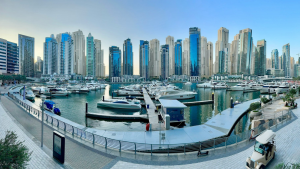
- Dubai Marina: A bustling waterfront area with luxury apartments, offering great rental yields for short-term and long-term tenants.
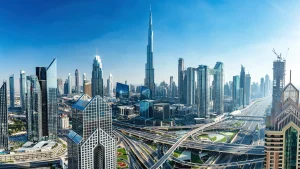
- Downtown Dubai: Known for iconic landmarks like the Burj Khalifa, this area consistently provides high rental yields due to its prime location.
- Jumeirah Village Circle (JVC): This developing community is offering excellent rental yields, particularly for smaller apartments.
- Palm Jumeirah: Though it has lower rental yields, Palm Jumeirah is a high-demand luxury area with tremendous potential for long-term capital growth.
- Business Bay: A growing business hub that combines residential and commercial spaces, ensuring high demand and rental returns.
Finance Your Property Investment in Dubai
Financing your property investment in Dubai can make the process easier, especially for international investors who don’t have the full capital upfront. Dubai offers several funding routes, including bank mortgages, developer payment plans, and full cash purchases. Each option suits different investor profiles depending on budget, income structure, residency status, and investment goals. Leveraging finance can help you preserve liquidity, diversify into multiple assets, and improve return on equity when used wisely. Understanding available financing options, eligibility criteria, and associated costs is essential before committing to any Dubai property investment strategy. Buying property with cryptocurrency adds an extra layer of flexibility and modern investment strategy, allowing investors to leverage digital assets while benefiting from Dubai’s tax-friendly environment and strong real estate growth potential.
Financing Options Available for Foreign Investors
Dubai offers several financing solutions for foreign investors, making property ownership more accessible without requiring full upfront capital. Whether purchasing a ready property or an off-plan unit, international buyers can choose from bank mortgages, developer installment plans, or direct cash purchases depending on their financial profile and investment strategy. Each option comes with different eligibility criteria, costs, and flexibility levels. Selecting the right financing route can improve cash flow, preserve liquidity, and increase long-term returns. Understanding these choices helps overseas investors enter Dubai’s real estate market with greater confidence and efficiency.
- Bank Mortgages: Banks in Dubai offer mortgages for non-resident investors, typically up to 75% of the property value for expats, with a minimum down payment of 25%.
- Developer Financing: Many developers offer financing plans for off-plan properties, allowing investors to pay in installments until the property is completed.
- Cash Purchases: For those who can afford it, cash purchases simplify the process and expedite the investor visa application.
Documentation Required for Financing
Before approving finance, lenders and developers require documentation to assess identity, affordability, and source of funds. Preparing documents in advance can speed up approval and reduce delays during the purchase process. Requirements may vary depending on the bank, country of residence, and employment status, but most foreign investors should expect standard financial verification. Strong documentation improves approval chances and may help secure better mortgage terms or faster processing for off-plan payment arrangements.
- Proof of income and financial stability.
- A valid passport and proof of identity.
- A down payment of at least 25% for foreign investors.
Investing in Real Estate in Dubai
Investing in real estate in Dubai is a lucrative opportunity, but like any investment, it comes with risks. Here’s what you need to consider when entering the market. Investing in real estate in Dubai remains one of the most attractive opportunities for global buyers seeking rental income, capital growth, and long-term wealth preservation. The city offers a tax-efficient environment, world-class infrastructure, strong population growth, and a transparent property ownership system that welcomes foreign investors in designated freehold areas. From affordable apartments with high rental yields to luxury villas in prime waterfront communities, Dubai provides options for every investment strategy. Success depends on choosing the right location, understanding market cycles, and aligning your purchase with clear financial goals, risk tolerance, and long-term exit planning.
Key Factors to Consider When Investing in Dubai
- Market Research: Understand market trends, including rental demand, capital appreciation, and areas with growth potential.
- Legal Requirements: Ensure that your property is located in an area where foreigners can legally invest (freehold areas).
- Property Management: Consider whether you will manage the property yourself or hire a property management company.
- Economic Factors: Keep an eye on the broader economic conditions, such as changes in interest rates, inflation, and government policies.
Rental Yield as a Measure of Success
Rental yield is one of the clearest ways to measure the success of a real estate investment because it shows how effectively a property generates income relative to its purchase price. A strong yield can indicate healthy tenant demand, good pricing, and efficient cash flow potential. However, rental yield should not be viewed in isolation. Smart investors also consider service charges, vacancy risk, maintenance costs, financing expenses, and long-term capital appreciation. In Dubai, combining solid rental yield with growth in a high-demand location often creates the most successful investment outcome over time. You can check out the investment tool.
Rental yield is a crucial metric for any real estate investor looking to invest in Dubai’s property market. With strong yields, tax benefits, and numerous opportunities for capital appreciation, Dubai remains a top choice for both local and international investors. Whether you choose to invest in off-plan properties, take advantage of financing options, or focus on prime locations, understanding rental yield can help you make smarter, more profitable investment decisions.
Contact Valorisimo for a tailored consultation and explore the best opportunities in Dubai real estate market.
Frequently Asked Questions (FAQ)
Can foreigners buy property in Dubai using cryptocurrency?
Yes. Many Dubai banks offer mortgages to foreign investors and non-residents, subject to eligibility checks such as income, credit profile, and source of funds. Loan terms vary by lender and applicant profile.
How much down payment is required for foreign investors?
Foreign buyers usually need a minimum down payment of around 25% of the property value, though this can vary depending on the property type, lender, and residency status
Is developer financing better than a bank mortgage?
It depends on your goals. Developer financing can offer flexible installment plans for off-plan properties, while bank mortgages may provide longer repayment terms and lower rates for ready properties. The best option depends on your cash flow and investment strategy.
Related Posts

Buying Property in Dubai with Cryptocurrency

How to Find Price Drops in Dubai Real Estate

Dubai Real Estate: Better Developer Deals During the Crisis?
Understanding the Dubai Real Estate Index 2026

Top Capital Appreciation Areas in Dubai 2026
Top Rental Yield Areas in Dubai 2026: Investment Guide