Living in Dubai: Expat Guide 2026
Dubai, the vibrant city known for its towering skyscrapers, luxurious lifestyle, and tax-free income, remains one of the top destinations for expatriates in 2026. The city offers a dynamic blend of modernity, cultural diversity, and excellent career opportunities. For those considering making Dubai their home, it’s important to understand the ins and outs of living here, especially for expats.
In this guide, we’ll dive into the Dubai real estate market in 2026, discuss the best places to invest in Dubai, how to finance your off-plan investment in Dubai, and explore the Investor Visa in Dubai. We’ll also look at essential aspects like rental yield in Dubai, taxation, and even how to buy real estate in Dubai with cryptocurrencies.
Dubai Real Estate in 2026: A Growing Investment Hub
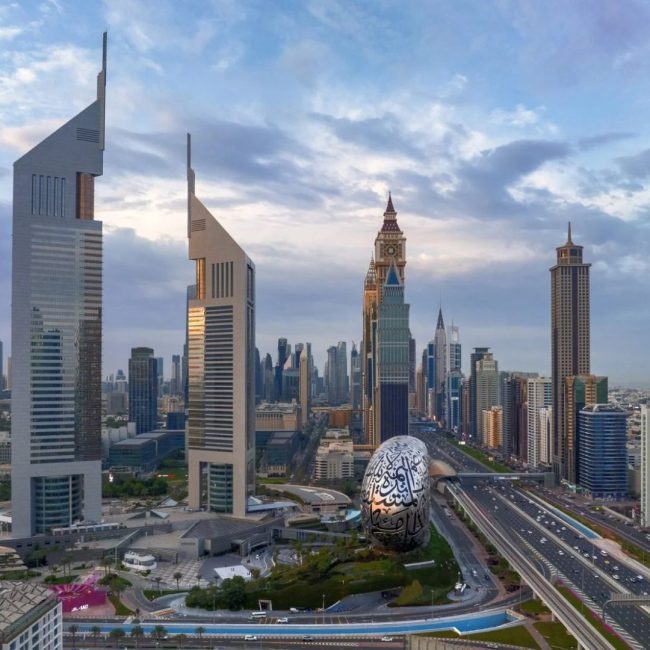
Dubai real estate in 2026 continues to strengthen its reputation as a leading global investment hub. The city benefits from world-class infrastructure, a stable regulatory environment, and a steady pipeline of luxury and mixed-use developments. Strong population growth, expanding tourism, and ongoing business-friendly reforms are driving consistent demand for both rental and owner-occupied properties. Investors are particularly attracted by competitive rental yields compared to major global cities and the potential for long-term capital appreciation. In addition, government initiatives supporting foreign ownership and economic diversification further enhance market confidence. Overall, Dubai remains a highly attractive destination for property investment in 2026.
The State of Dubai’s Real Estate Market
Dubai’s real estate market in 2026 continues to experience strong momentum, shaped by rapid urban expansion, steady population growth, and increasing global investor confidence. The city has established itself as a leading international property hub, attracting both end-users and investors due to its tax-friendly environment, modern lifestyle, and high rental returns. As new developments emerge across key districts, the market remains dynamic and competitive, offering opportunities in residential, commercial, and holiday rental segments. This ongoing evolution is further supported by government-led initiatives, infrastructure development, and Dubai’s long-term vision for sustainable urban growth, making it a highly attractive destination for real estate investment.
- Luxury and Affordable Properties: While luxury developments remain a staple, affordable housing options are increasingly becoming available, catering to a broader expat population.
- Growing Infrastructure: Dubai’s government continues to invest heavily in world-class infrastructure projects, including transportation, healthcare, and education, further boosting property demand.
Key Sectors in Dubai Real Estate
Dubai’s real estate market in 2026 continues to grow as a global investment hub, supported by strong economic development, population growth, and rising international demand. The market offers a wide range of opportunities for investors and end-users, from luxury waterfront living to affordable housing and high-yield commercial assets, making it one of the most diverse property sectors in the world.
- Residential Properties: Apartments and villas in prime areas such as Dubai Marina, Downtown Dubai, and Palm Jumeirah remain highly in demand due to their lifestyle appeal, strong rental returns, and premium location advantages.
- Commercial Real Estate: Demand for office and business spaces remains strong, especially in key hubs like Dubai International Financial Centre (DIFC), driven by multinational companies and growing entrepreneurial activity.
- Off-Plan Properties: Off-plan investments are increasingly popular as they offer flexible payment plans, lower entry prices, and strong potential for capital appreciation upon project completion.
Where to Invest in Dubai: Best Neighborhoods for Expats in 2026
When investing in Dubai real estate, choosing the right location is essential for strong returns and lifestyle value. In 2026, several neighborhoods stand out for expats. Downtown Dubai offers iconic living near Burj Khalifa with strong rental demand. Dubai Marina remains popular for waterfront apartments and high yields. Jumeirah Village Circle (JVC) attracts investors with affordable prices and steady growth. Business Bay is ideal for professionals due to its central location and commercial appeal. Meanwhile, Dubai Hills Estate offers premium family living with green spaces and long-term appreciation potential. These areas continue to lead Dubai’s expat-friendly investment landscape in 2026.
Dubai Marina
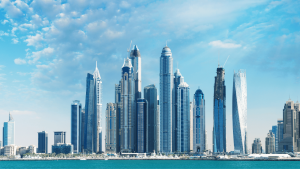
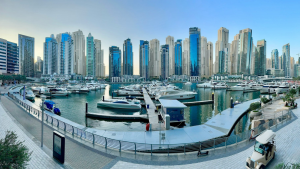
Dubai Marina is one of the most popular and high-performing residential districts in Dubai, especially for expatriates and international investors looking to invest in Dubai real estate. Built around a man-made canal and lined with iconic skyscrapers, it represents modern waterfront living at its finest. The area combines luxury apartments, world-class amenities, and a vibrant urban lifestyle, making it one of the most desirable addresses in the city. With its strategic location close to major business hubs, beaches, and transport links, Dubai Marina continues to attract strong demand from both residents and investors seeking long-term value and high rental returns.
- Vibrant Lifestyle: A favorite among expatriates, Dubai Marina provides stunning marina and sea views, along with a wide range of cafes, restaurants, retail outlets, beaches, and entertainment options all within walking distance. It is one of the most lively and dynamic communities in Dubai.
- High Rental Demand: Due to its prime location and lifestyle benefits, the area attracts strong demand from both long-term tenants and short-term holiday renters. This ensures consistent occupancy rates and attractive rental yields, making it a reliable choice for those investing in Dubai real estate.
Jumeirah Village Circle (JVC)
Jumeirah Village Circle (JVC) is one of the fastest-growing residential communities in Dubai and a popular choice for those who invest in Dubai real estate. Known for its balanced lifestyle, modern developments, and community-focused design, JVC attracts first-time investors, families, and expats looking for affordable yet high-potential property options. Its strategic location within Dubai provides easy access to key business hubs, schools, and entertainment areas, making it a practical and convenient place to live and invest.
- Affordable Option: JVC offers competitively priced apartments and villas compared to central Dubai areas, making it an attractive entry point for families, young professionals, and investors seeking lower capital investment with decent rental returns.
- High Potential for Growth: The area is still developing, with continuous infrastructure upgrades, new residential projects, and improving amenities. As demand increases, property values in JVC are expected to rise, making it a strong option for capital appreciation in the future.
Downtown Dubai
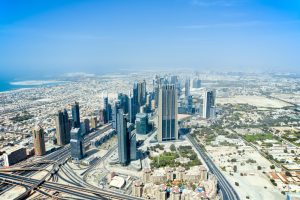
Downtown Dubai is the vibrant heart of the city and one of the most prestigious destinations for those who invest in Dubai real estate. Renowned for its iconic skyline, luxury developments, and global appeal, it represents the pinnacle of high-end urban living. The area is a major attraction for international investors, executives, and tourists, offering a premium lifestyle combined with strong investment performance. Its central location ensures excellent connectivity to key business districts, airports, and major highways, further enhancing its desirability.
- Iconic Landmarks: Home to the Burj Khalifa, Dubai Mall, and Dubai Fountain, Downtown Dubai offers a truly premium living experience. Its central location and global recognition make it one of the most desirable addresses in the city, especially for luxury rentals and short-term stays.
- Solid Capital Appreciation: Due to its prime location and strong global demand, properties in Downtown Dubai often deliver excellent long-term value growth. Investors benefit from both strong rental yields and consistent capital appreciation, making it a top-tier choice in Dubai’s property market.
Business Bay
Business Bay is one of the most dynamic and fast-developing districts for those who invest in Dubai real estate. Strategically located next to Downtown Dubai, it offers a powerful mix of residential towers, commercial spaces, and lifestyle developments, making it a true hub for business professionals, investors, and urban residents. With its modern skyline and central position, Business Bay continues to evolve as one of Dubai’s key investment zones.
- Commercial Hub: Business Bay is a key destination for commercial real estate investment, with modern office towers, corporate spaces, hotels, and mixed-use developments. Its strategic location attracts global businesses, ensuring consistent demand from professionals and tenants.
- Future Growth Potential: Ongoing infrastructure projects, new residential towers, and continuous urban development are driving long-term value appreciation. This makes Business Bay a strong choice for both rental income and capital growth.
- Strong Connectivity: Business Bay offers excellent access to Sheikh Zayed Road, Downtown Dubai, and Dubai International Airport, making it one of the most conveniently located business districts in the city.
- Lifestyle & Amenities: The area also features waterfront views along the Dubai Canal, along with restaurants, cafes, gyms, and retail outlets, making it a well-balanced place to live and work.
Financing Your Off-Plan Investment in Dubai
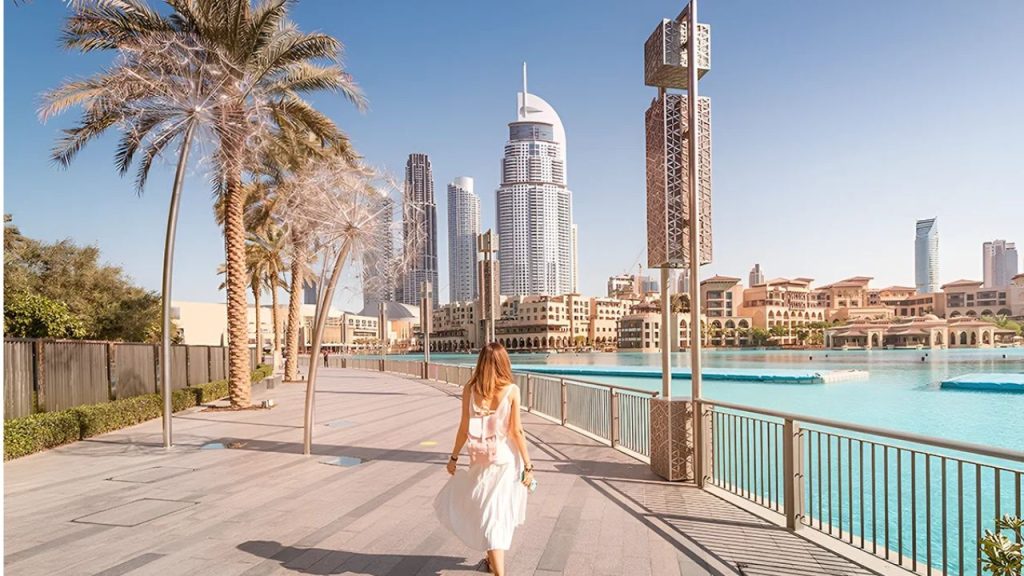
Financing your off-plan investment in Dubai has become more accessible with flexible payment plans offered by developers. Many projects allow buyers to pay in installments during construction, reducing the need for large upfront capital. Banks in Dubai also provide mortgage options for off-plan properties, though financing usually starts once the project reaches a certain completion stage. This combination of developer-backed plans and bank support makes it easier for investors to enter the market and benefit from Dubai’s growing real estate opportunities. financing your investment is now more structured and flexible, allowing buyers to manage costs efficiently while taking advantage of long-term growth in Dubai’s property market.
Mortgage Options for Expats
Expats looking to finance their real estate investments in Dubai have access to a wide range of flexible mortgage options, making property ownership more achievable for both residents and non-residents. These financing solutions are designed to support international buyers entering the Dubai real estate market with structured and manageable repayment plans.
- Bank Loans: Local banks in Dubai offer mortgage financing for expatriates, typically covering up to 80% of the property value for residents and around 50% for non-residents. Eligibility depends on income, employment status, and credit profile, making proper documentation essential for approval.
- Interest Rates: Mortgage rates in Dubai are generally competitive, usually ranging between 3% to 4% per annum, depending on the bank, loan type, and borrower profile. Both fixed and variable rate options are available, allowing investors to choose based on their financial strategy and risk preference.
Overall, these mortgage options make it easier for expats to enter the Dubai property market and support long-term investment planning with manageable financing structures.
Developer Payment Plans
For those interested in off-plan properties in Dubai, developer payment plans offer a highly flexible and accessible way to invest in the market. These plans allow buyers to pay for the property in installments over the construction period, rather than paying the full amount upfront. This significantly reduces the initial financial burden and makes property investment more manageable for both residents and international investors. In many cases, payment schedules are linked to construction milestones, ensuring transparency and control over the investment process. Some developers also offer post-handover payment plans, allowing buyers to continue payments even after receiving the property. This structure not only improves affordability but also enables investors to potentially benefit from price appreciation by the time the project is completed.
Alternative Financing Methods
Dubai’s real estate market is known for its flexibility and innovation, and this extends to how investors can finance their property purchases. Beyond traditional mortgages and developer payment plans, the city offers a growing range of alternative financing methods that cater to both local and international investors. These options are especially useful for buyers seeking faster transactions, diversified funding sources, or more flexible repayment structures. As Dubai continues to position itself as a global investment hub, these modern financing solutions are becoming increasingly important in supporting accessibility and encouraging more participation in the property market.
- Cryptocurrency Payments: Some forward-thinking developers in Dubai now accept cryptocurrencies such as Bitcoin and Ethereum for property purchases. This allows investors to diversify their payment methods and take advantage of digital asset holdings when investing in real estate, although conversion rules and regulatory requirements may apply.
- Personal Loans: Expats can also consider personal loans from local or international banks to cover part of their property investment. These loans are usually unsecured and can be used to supplement down payments or additional costs, depending on eligibility and income level.
- Developer In-House Financing: Some developers offer direct financing options where buyers can negotiate customized payment structures directly with the developer, sometimes with zero or low interest, making it easier to manage cash flow.
- Equity Release or Asset Liquidation: Investors may also use equity from existing properties or liquidate other financial assets to fund their Dubai real estate investment, providing a flexible way to raise capital without relying solely on bank financing.
Investor Visa in Dubai: How to Secure Residency
Investing in off-plan properties in Dubai has become increasingly popular due to the city’s favorable taxation policies and dynamic real estate market. One of the most compelling reasons is the absence of income tax and capital gains tax, which makes Dubai highly attractive to international investors looking for profitable and tax-efficient property investments. This unique advantage allows buyers to maximize returns without worrying about significant taxation on rental income or capital gains from future sales.
Off-plan projects are frequently located in strategic or emerging neighborhoods, such as Dubai Marina, Downtown Dubai, or Mohammed Bin Rashid City. These areas not only offer excellent infrastructure and connectivity but also present strong potential for medium- and long-term capital appreciation, providing investors with both financial growth and lifestyle benefits. In addition, Dubai’s real estate market continues to grow steadily, driven by a constant influx of expatriates, professionals, and international residents. High rental demand ensures that off-plan properties, once completed, can generate consistent rental income, making them an appealing choice for both investors and end-users.
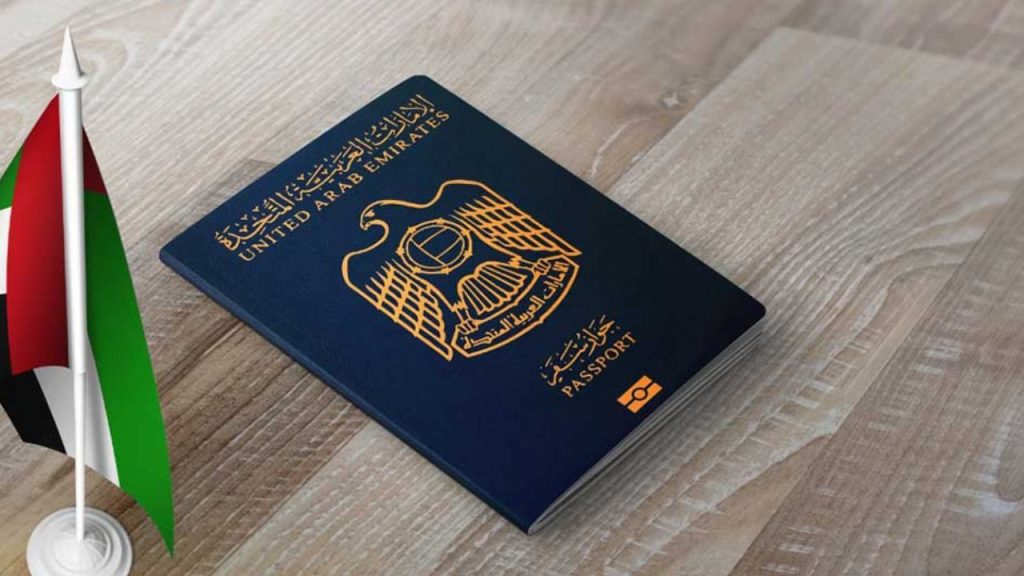
The investor visa in Dubai is a popular pathway for foreign buyers to secure long-term residency while benefiting from property ownership. To qualify, investors must purchase real estate worth at least AED 750,000, with higher-value investments unlocking longer visa durations. The process is streamlined, requiring property title deeds, valid identification, and health insurance coverage. By securing this visa, investors gain not only residency rights but also access to Dubai’s thriving lifestyle, tax advantages, and business-friendly environment.
What is the Investor Visa?
The Investor Visa in Dubai is a residency program that allows foreign nationals to live, work, and invest in the UAE by purchasing qualifying assets such as real estate. It is one of the major incentives that makes investing in Dubai real estate highly attractive for expatriates, as it combines property ownership with long-term residency benefits and lifestyle stability in one of the world’s fastest-growing cities.
- Eligibility: To qualify for an investor visa through real estate, expats generally need to invest in property worth at least AED 1 million. The property usually must be completed or meet specific conditions set by UAE authorities. Joint ownership is also allowed in some cases, depending on eligibility rules.
- Duration: The investor visa is typically issued for 2 to 3 years and is renewable as long as the investment is maintained. In some cases, higher-value investments may qualify for longer-term residency options under UAE visa programs.
- Benefits: Holders of an investor visa can live in the UAE, sponsor family members, and enjoy easier access to banking, utilities, and business setup opportunities, making it a strong incentive for long-term investors in Dubai’s property market.
Benefits of the Investor Visa
The Investor Visa in Dubai is a residency program that links property investment with long-term living rights in the UAE. It is designed to attract global investors by offering not only ownership opportunities in Dubai real estate but also a secure and stable lifestyle in one of the world’s fastest-growing cities. This visa has become a key reason why many expatriates choose Dubai for both investment and relocation, as it combines financial growth potential with residency benefits.
- Residency in Dubai: This visa allows investors to live in one of the world’s most dynamic cities with access to high-quality healthcare, world-class education, and a safe, modern lifestyle. It also provides greater stability for long-term planning and property ownership in the UAE.
- Family Sponsorship: Investors can sponsor their spouse, children, and in some cases parents, allowing families to live together in Dubai. This makes it an ideal option for expatriates looking to relocate or secure long-term residence for their loved ones.
- Business Opportunities: The investor visa opens doors to wider business prospects in Dubai, especially in real estate, trade, and entrepreneurship. It also makes it easier to set up companies, open bank accounts, and engage in commercial activities within the UAE.
- Long-Term Security & Mobility: Holding an investor visa provides a sense of long-term stability, allowing investors to plan their future with confidence while enjoying easy travel in and out of the UAE.
Rental Yield in Dubai: Maximizing Your Returns
Rental yield is one of the most important indicators for real estate investors, showing the annual rental income generated from a property as a percentage of its total value. It helps measure overall profitability and long-term investment performance. In Dubai, rental yields are generally higher than in many global property markets, making it a highly attractive destination for investors seeking consistent income and capital growth.
- Average Returns: In 2026, the average rental yield in Dubai typically ranges from 5% to 7%, depending on the location, property type, and market demand. Prime and high-demand areas may even offer higher returns, especially for short-term rentals.
- Strong Performing Areas: Locations such as Dubai Marina, Downtown Dubai, and Jumeirah Village Circle (JVC) are popular for generating strong rental income due to consistent demand from both residents and tourists.
- Short-Term vs Long-Term Rentals: Short-term rentals can deliver higher income in tourist hotspots, while long-term leases provide steady and reliable cash flow.
- Tax-Free Advantage: One of the biggest benefits of investing in Dubai is that rental income is tax-free, allowing investors to maximize their net returns and overall profitability.
Factors Influencing Rental Yield
Rental performance in Dubai is shaped by several important factors that directly affect how much income an investor can earn from a property. In a competitive and fast-growing market like Dubai real estate, understanding these drivers is essential for maximizing returns, reducing risks, and making smarter investment decisions. From location and property type to market conditions and building amenities, each element plays a key role in determining overall rental yield and long-term profitability.
- Location: Location is the most important factor in determining rental performance. High-demand areas such as Dubai Marina, Downtown Dubai, and Business Bay typically offer stronger rental returns due to their central position, lifestyle appeal, and proximity to business hubs, tourism attractions, and transport links.
- Property Type: The type of property also plays a major role. In most cases, apartments generate higher rental yields compared to villas, especially in densely populated or business-centric areas. Smaller units like studios and one-bedroom apartments often deliver the strongest returns due to higher tenant demand.
- Market Conditions: Overall economic trends, population growth, tourism levels, and real estate supply and demand dynamics significantly influence rental income. A growing market with limited supply and high demand usually results in stronger rental performance.
- Amenities & Facilities: Properties with modern amenities such as gyms, pools, security, parking, and lifestyle facilities tend to attract higher-paying tenants and reduce vacancy rates, improving overall rental returns.
Taxation in Dubai: Why It's Attractive for Expats and Investors
One of the main reasons expatriates and global investors choose to invest in Dubai real estate is its highly favorable tax environment. Dubai is widely known for its tax-free income structure, which allows individuals to maximize their earnings and investment returns without heavy deductions. There is no personal income tax on salaries or rental income, which is a major advantage for expats living and working in the UAE. In addition, there is no annual property tax, meaning investors can hold real estate without ongoing tax liabilities that are common in many other countries.
Capital gains tax is also generally not applied on property sales, allowing investors to keep a larger share of their profits when they exit an investment. While there are some transaction-related costs such as registration fees and service charges, the overall tax burden remains very low compared to global markets. This tax-friendly structure, combined with strong rental yields and long-term capital growth potential, makes Dubai a highly attractive destination for property investment.
No Income Tax
- Dubai does not levy any personal income tax on salaries or earnings, allowing expatriates to retain all their income.
No Capital Gains Tax
- Investors in Dubai benefit from no capital gains tax on the sale of property. This makes real estate investment even more profitable, especially when selling properties that have appreciated in value.
No Property Tax
- Unlike many other global cities, Dubai does not impose an annual property tax, further enhancing the profitability of property ownership
Buying Real Estate in Dubai with Cryptocurrencies
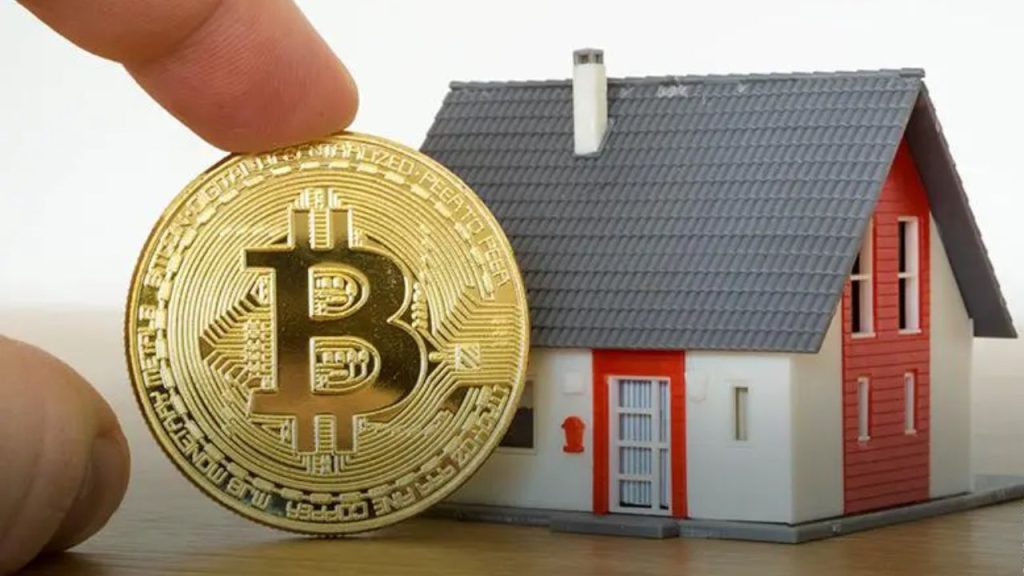
Buying real estate in Dubai with cryptocurrencies is becoming increasingly popular as the city continues to embrace blockchain innovation and digital finance. Many developers and brokers now accept Bitcoin, Ethereum, and other major digital currencies, allowing investors to purchase property with greater flexibility and speed. These cryptocurrency real estate deals offer several advantages, including faster cross-border transactions, reduced reliance on traditional banking systems, and improved convenience for international investors.
Payments can often be processed more efficiently, avoiding delays associated with currency conversions and international transfers. As Dubai strengthens its position as a global hub for fintech and blockchain technology, crypto-based property transactions are expected to grow further. This modern approach gives investors a seamless way to combine digital assets with real estate opportunities in one of the world’s fastest-growing markets.
The Growing Trend of Cryptocurrency Transactions
Dubai has become one of the leading global hubs for innovation in real estate, and the adoption of cryptocurrency payments is a major part of this transformation. Increasingly, investors are using digital currencies such as Bitcoin and Ethereum to purchase property, making cross-border investments faster and more accessible. This shift reflects Dubai’s broader commitment to blockchain technology and its goal of creating a more flexible, tech-driven property market.
- Faster Transactions: Cryptocurrency transactions are processed almost instantly, cutting down on delays associated with traditional payment methods.
- Lower Fees: Cryptocurrency payments bypass traditional banks, leading to lower transaction fees.
- Security and Transparency: Blockchain technology ensures that all transactions are transparent and secure.
How to Buy Real Estate with Cryptocurrencies
- Step 1: Choose a developer that accepts cryptocurrency payments.
- Step 2: Agree on the terms of the transaction, including the conversion rate from cryptocurrency to AED.
- Step 3: Transfer the agreed amount of cryptocurrency from your digital wallet to the developer’s wallet.
- Step 4: Complete the legal paperwork and registration of the property with the Dubai Land Department.
Living in Dubai in 2026 offers unparalleled opportunities for expatriates, especially for those looking to invest in the real estate market. With attractive rental yields, a tax-free environment, and innovative options like cryptocurrency payments, Dubai remains one of the top destinations for expatriates and investors alike.
If you’re interested in opportunities – Dubai or want to make more informed decisions using our investment tool, contact us today and start optimizing your real estate investment strategy in Dubai.
Frequently Asked Questions (FAQ)
Is Dubai a good place for expats to live?
Yes, Dubai is considered one of the best cities for expats due to its tax-free income, high standard of living, safety, and modern infrastructure.
What is the cost of living in Dubai?
The cost of living varies depending on lifestyle and location. Rent is the biggest expense, while food, transport, and utilities are moderate compared to other global cities.
Do expats pay tax in Dubai?
No, there is no personal income tax in Dubai, which is a major benefit for expats working and investing in the city.
Can expats buy property in Dubai?
Yes, expats can buy property in designated freehold areas with full ownership rights.
What is the minimum salary to live comfortably in Dubai?
It depends on lifestyle, but generally AED 10,000–15,000 per month is considered a comfortable range for single professionals.
Related Posts

Buying Property in Dubai with Cryptocurrency
Rental Yield in Dubai: Figures and Expert Advice
How to Find Price Drops in Dubai Real Estate
Dubai Real Estate: Better Developer Deals During the Crisis?
Understanding the Dubai Real Estate Index 2026
Top Capital Appreciation Areas in Dubai 2026