
Investor Visa in Dubai: How to Obtain It in 2026
Dubai continues to be one of the most attractive destinations for investors worldwide. With its thriving real estate market, zero income tax, and robust economy, obtaining an investor visa in Dubai has become a priority for many foreigners who want to live, work, or invest in the UAE. Alongside these benefits, offers a world-class lifestyle with modern infrastructure, luxury amenities, and a safe, cosmopolitan environment that makes the city even more appealing for long-term residency.
In this guide, we will explain the steps to obtain an investor visa, explore taxation, financing options, and highlight the best areas to invest.

What is an Investor Visa in Dubai?
An investor visa in Dubai is a residency permit granted to foreign nationals who make a qualifying investment in the UAE, most commonly through real estate or business ownership. It allows eligible investors to live legally in Dubai while benefiting from one of the world’s most dynamic and tax-efficient economies. For property buyers, this route is especially attractive because it combines residency benefits with asset ownership and long-term wealth-building potential. Depending on the investment type and value, visa duration and conditions may vary. Many international investors use this pathway to establish a strong base in the UAE including those investing in real estate using cryptocurrency and rental yield figures opening new pathways for international investors.
Benefits of an Investor Visa
An investor visa offers more than legal residency—it creates access to lifestyle, business, and financial opportunities in one of the world’s most globally connected cities. Investors can live in Dubai, manage their assets locally, and benefit from the UAE’s efficient banking and business environment. For families, sponsorship rights add further value. Combined with Dubai’s strong property market and tax advantages, the investor visa remains a highly appealing route for international buyers seeking both mobility and long-term opportunity.
- Legal residency in Dubai for up to 3 years, renewable.
- Eligibility to sponsor family members.
- Access to Dubai’s real estate market and financial systems.
- Ability to leverage investment opportunities in a tax-free environment.
Eligibility Criteria for an Investor Visa in Dubai
To qualify for an investor visa, applicants must meet specific property, legal, and financial requirements. While the process is relatively straightforward compared with many global residency-by-investment programs, accuracy matters. Authorities will review the value and status of the investment, identity documentation, and compliance background. Understanding eligibility in advance helps investors avoid delays and choose the right property structure for approval. Living in Dubai also faster this process.
- Minimum Investment: For real estate, a property valued at AED 1 million or more qualifies.
- Property Status: Only properties located in approved freehold areas or designated investment zones are eligible.
- Clean Background: Applicants must have no criminal record.
- Financial Requirements: Proof of funds and source of income may be required.
How to Obtain an Investor Visa in Dubai
Obtaining an investor visa in Dubai is a structured process that usually begins with making a qualifying investment, most commonly through real estate ownership or business participation. Once the investment meets the required criteria, applicants must prepare documents, complete verification checks, and submit the application through the relevant authorities. Dubai’s system is designed to be efficient, making it attractive for international investors seeking residency in a global business hub. By understanding each stage in advance and choosing the right investment route, applicants can complete the process more smoothly and avoid unnecessary delays.
Prepare Required Documents
Strong documentation is essential for a smooth investor visa process. Missing or inconsistent records are among the most common causes of delays. Preparing everything in advance can significantly improve efficiency and confidence during submission.
- Passport copy with at least 6 months validity.
- UAE entry stamp or visa (if already in Dubai).
- Title deed or purchase agreement of qualifying property.
- Bank statements proving the source of investment funds.
- Health insurance covering UAE residency.
- Clean criminal record certificate from your home country.
Apply Through the Appropriate Authority
Once your qualifying investment is secured and documents are ready, the next step is submitting your investor visa application through the relevant Dubai authorities. The exact process depends on whether your residency is linked to real estate, business ownership, or another approved investment category. For property investors, the application usually starts with verification of ownership documents and property eligibility, followed by residency processing. Using experienced consultants or authorized representatives can help reduce errors, speed up approvals, and ensure all forms are completed correctly.
- Dubai Land Department (DLD) for real estate investors.
- General Directorate of Residency and Foreigners Affairs (GDRFA) for final visa issuance.
Undergo Medical Screening
Medical screening is a standard and mandatory part of the UAE residency process. It is usually straightforward and completed at approved government-authorized medical centers. This stage helps confirm public health compliance before residency issuance. Most applicants complete the process quickly, often within a short appointment window, especially when documents are prepared in advance.
Typical Medical Tests Include
- Blood tests
- Chest X-ray
Tips for a Smooth Process
- Bring passport and application reference documents
- Attend an approved medical center only
- Arrive early if appointments are busy
- Follow any fasting or instruction requirements if advised
Results are typically sent directly into the residency system, helping the application move to the next stage.
Receive the Visa and Emirates ID
After successful approval and completion of the required medical screening, your investor residency visa is officially finalized and your Emirates ID is issued. This is the final and most important stage of the application process, as it formally establishes your legal residency status in Dubai and allows you to live in the UAE under an approved investment category. Once issued, you gain the practical benefits of residency while maintaining ownership of your qualifying investment. The Emirates ID is one of the most essential identification documents in the UAE. It serves as your official proof of identity and residency and is widely required for both government and private sector services. Investors use it regularly for banking, property management, utility connections, telecom services, and many day-to-day transactions. It also makes administrative processes faster and more convenient compared with using foreign documents alone.
Financing Your Property Investment in Dubai
Financing a property investment in Dubai can help investors enter the market without using all their available capital upfront. Many buyers choose structured financing to preserve liquidity, diversify into multiple assets, or improve return on equity. Dubai offers several routes for both residents and non-residents, including mortgages, developer installment plans, and direct cash purchases. The best option depends on your nationality, income profile, investment goals, and risk tolerance. For investor visa applicants, choosing the right financing structure is especially important because ownership eligibility and documentation can influence the residency process and long-term investment success. Investing in real estate is often the first step to obtaining an investor visa. Financing your investment can be structured in several ways:
- Bank Mortgages: Non-resident mortgages are available with a down payment of 25–35%.
- Developer Financing: Many developers offer installment plans for off-plan purchases.
- Cash Purchase: Direct investment without financing simplifies the visa application process.
Rental Yield in Dubai: Figures and Tips
Rental yield is one of the most important metrics for property investors because it measures how much annual income a property generates relative to its value. In Dubai, strong rental yields continue to attract global investors seeking income-producing assets. Yield levels vary by location, property type, purchase price, and operating costs. For investor visa buyers, rental income can strengthen the overall financial logic of the purchase while helping offset holding costs. Smart investors compare both gross and net yields before buying.
Average Rental Yields
- Apartments: 5–7%
- Villas: 4–6%
Tips for Maximizing Returns
- Invest in high-demand locations like Dubai Marina or Downtown Dubai.
- Choose properties with quality finishing to attract premium tenants.
- Regularly maintain your property to reduce vacancy periods.
High rental yields not only generate income but also strengthen your investor visa application by showing financial stability.
Taxation in Dubai: The Expat Guide in 2026
Dubai’s tax environment is one of the biggest reasons international investors choose the market. Compared with many countries that impose recurring property taxes, rental income taxes, or capital gains charges, Dubai remains highly efficient for wealth preservation and cash flow. This tax-friendly structure can significantly improve net returns over time. While transaction fees and certain service taxes still apply, the absence of heavier annual burdens makes Dubai especially attractive to expats and global property buyers.
- No Income Tax:
One of Dubai’s most attractive features is the absence of personal income tax in the traditional sense. For property investors, this means rental income can often be retained more efficiently than in higher-tax jurisdictions. This improves cash flow and long-term portfolio growth.
- No Capital Gains Tax:
In many countries, selling a profitable property can trigger significant capital gains taxes. Dubai is often viewed as more favorable because it does not follow the same traditional capital gains tax model. This can improve exit profitability for investors.
- VAT on Certain Services:
While Dubai is tax-efficient, some costs still apply. VAT may be charged on selected services such as agency fees, management fees, and certain commercial transactions. Investors should \include these in net yield calculations.
The favorable taxation system in Dubai real estate significantly enhances the appeal of investing.
Investing in Dubai Real Estate: Off-Plan or Ready Properties?
One of the biggest decisions investors face is whether to buy an off-plan property or a completed ready unit. Each option has different advantages depending on your timeline, risk appetite, and income goals. Off-plan properties often appeal to growth-focused buyers, while ready properties suit those seeking immediate use or rental cash flow. Dubai offers strong opportunities in both categories, so the right choice depends on your strategy rather than one universal answer.
Advantages of Buying Off-Plan
- Lower initial costs.
- Flexible payment plans.
- Potential for high capital appreciation.
Advatages of Ready Properties
- Immediate rental income.
- Avoid construction delays.
- Easier financing and insurance options.
Choosing the right type of property depends on your investment strategy and visa requirements.
Where Should You Invest in Dubai?
Location remains one of the most important drivers of rental demand, capital growth, and long-term liquidity. Dubai offers a wide range of investment zones, from iconic luxury districts to emerging growth corridors. The best area depends on your budget, target tenant, and whether you prioritize income or appreciation. Choosing the right location can strengthen both your financial returns and investor visa strategy. Selecting the right location can maximize rental yield and ensure your investor visa application is solid.
Top Investment Areas
- Downtown Dubai – Iconic skyscrapers, high rental demand.
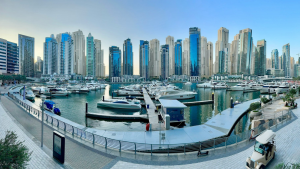
- Dubai Marina – Waterfront lifestyle, strong appreciation potential.
- Business Bay – Commercial and residential hub with growing demand.
- Palm Jumeirah – Luxury properties, excellent long-term returns.
- Meydan and Dubai South – Emerging areas for off-plan investments.
Investing in these locations ensures your property meets visa eligibility and long-term financial goals.
Key Takeaways for Obtaining an Investor Visa
Obtaining an investor visa in Dubai becomes easier when residency planning is aligned with sound investment decisions. Buyers should focus not only on meeting minimum thresholds but also on choosing assets that perform financially over time. A strategic purchase can create both legal residency benefits and strong wealth-building potential.
- Invest at least AED 1 million in eligible real estate.
- Choose prime locations for higher rental yield.
- Maintain a clean legal and financial record.
- Understand Dubai’s taxation system for real estate.
- Consider off-plan properties carefully for capital appreciation.
- Explore financing options to ease your investment.
- Ensure you complete medical tests and obtain Emirates ID.
Obtaining an investor visa in Dubai opens doors to legal residency, property ownership, and attractive investment opportunities. By carefully selecting your property, understanding financing options, and leveraging rental yields, you can maximize both returns and residency benefits.
Dubai’s tax-efficient environment, flexible real estate market, and diverse investment locations make it a top destination for global investors. Whether you choose off-plan opportunities or ready units, the right strategy can create long-term success.
Dubai’s tax-free environment, flexible real estate market, and diverse investment locations make it a top destination for global investors. Whether you are considering off-plan properties or ready units, the right approach ensures success.
Contact Valorisimo for a tailored consultation and explore the best opportunities in Abu Dhabi real estate market. If you’re ready to explore your investment options in Dubai, check out opportunities in Dubai and use our investment tool to get started with your next real estate venture.
Frequently Asked Questions (FAQ)
Can foreigners finance property in Dubai?
Yes. Many banks in Dubai offer mortgages to foreign investors and non-residents, subject to eligibility checks such as income verification, credit profile, and source of funds. Terms vary by lender and property type.
How much down payment is required for non-residents?
Non-resident buyers typically need a down payment of around 25% to 35% of the property value, depending on the lender, property price, and applicant profile.
Is buying property in Dubai tax-free?
Dubai is considered highly tax-efficient because there is generally no personal income tax on rental income in the traditional sense and no standard annual property tax. However, transfer fees and certain service-related VAT charges may apply.
Should I buy off-plan or ready property in Dubai?
It depends on your goals. Off-plan properties often offer lower entry prices and flexible payment plans, while ready properties can generate immediate rental income and avoid construction delays.
Which areas in Dubai are best for investment?
Popular investment areas include Downtown Dubai, Dubai Marina, Business Bay, Palm Jumeirah, Meydan, Dubai South, and Jumeirah Village Circle (JVC), depending on your budget and strategy.
Related Posts

Buying Property in Dubai with Cryptocurrency


Rental Yield in Dubai: Figures and Expert Advice


How to Find Price Drops in Dubai Real Estate

Dubai Real Estate: Better Developer Deals During the Crisis?
Understanding the Dubai Real Estate Index 2026

Top Capital Appreciation Areas in Dubai 2026