UAE Property H1 2026: Abu Dhabi Sales Surge 164%, Dubai Adds 24,537 Units
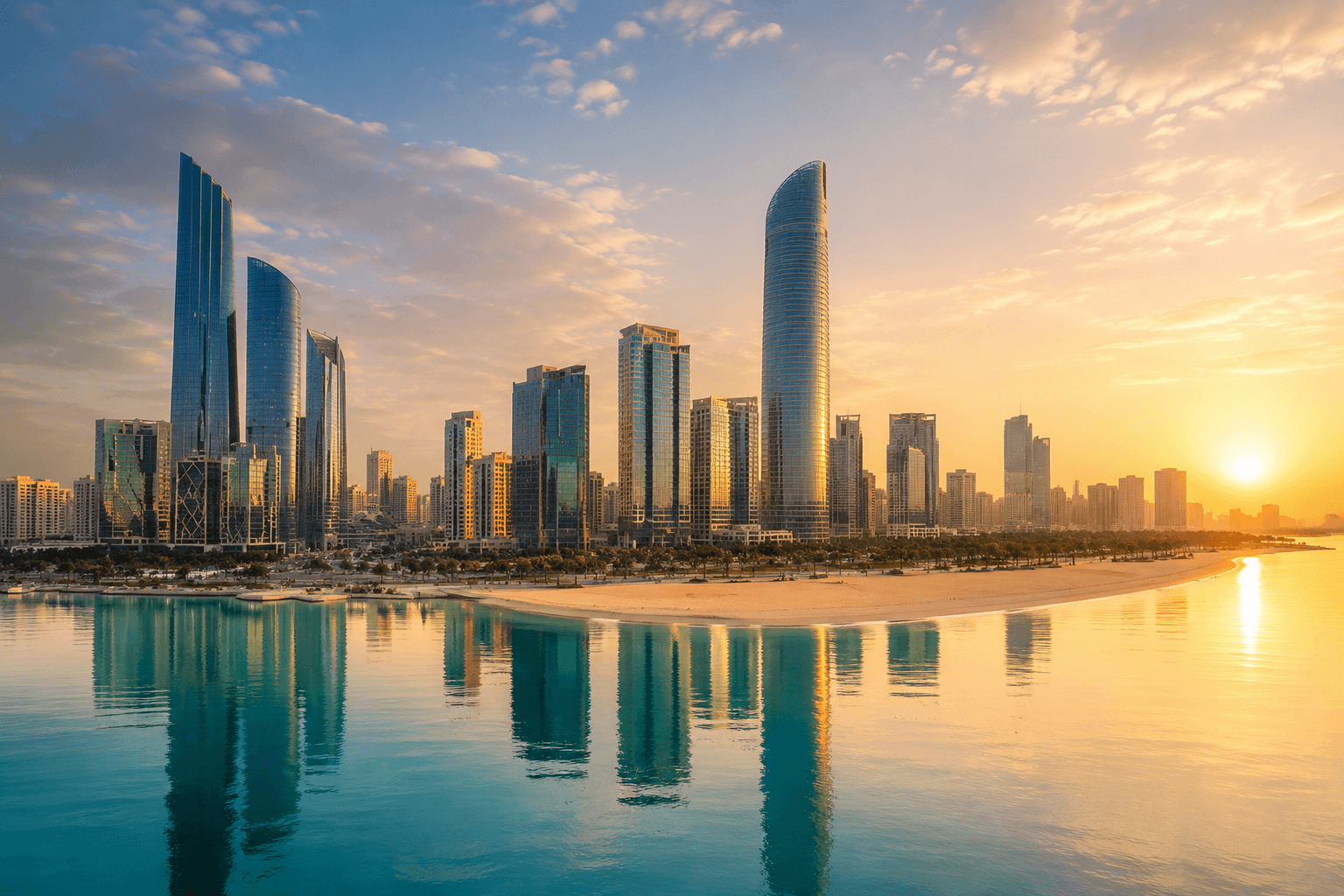
The UAE property market carried its momentum into 2026, with Abu Dhabi transaction value up 112% year-on-year and Dubai completing 104 projects worth AED 111bn ($30.2bn) in the first half. The standout story is Abu Dhabi, where sales transactions soared 163.7% — a signal that the capital is fast becoming a core destination for international property capital, not just Dubai’s quieter neighbour.
Total Abu Dhabi real estate transactions reached roughly AED 117bn ($31.9bn) in H1 2026, up 112% year-on-year, with transaction volume up 61.7%. Within that:
Sales hit AED 86.1bn ($23.4bn) across 16,838 transactions — a 163.7% jump.
Foreign direct investment surged 309% to about AED 13.8bn ($3.8bn) — already exceeding the total for all of 2025 — from a widening pool of 116 nationalities. Investment zones drew around AED 75bn ($20.4bn).
Residential unit sales reached AED 70.4bn ($19.2bn), with off-plan accounting for 89% of sales value and 82% of transactions.
Resale prices rose 20% for apartments and 12% for villas.
Active residential tenancy contracts stood at ~233,000, worth AED 9.3bn ($2.5bn), up 8% year-on-year.
The FDI figure is the headline for international buyers: a 309% jump and 116 nationalities point to a market broadening well beyond its traditional base. These figures are from the Abu Dhabi Real Estate Centre (ADREC) H1 report.
Dubai: a record wave of completions
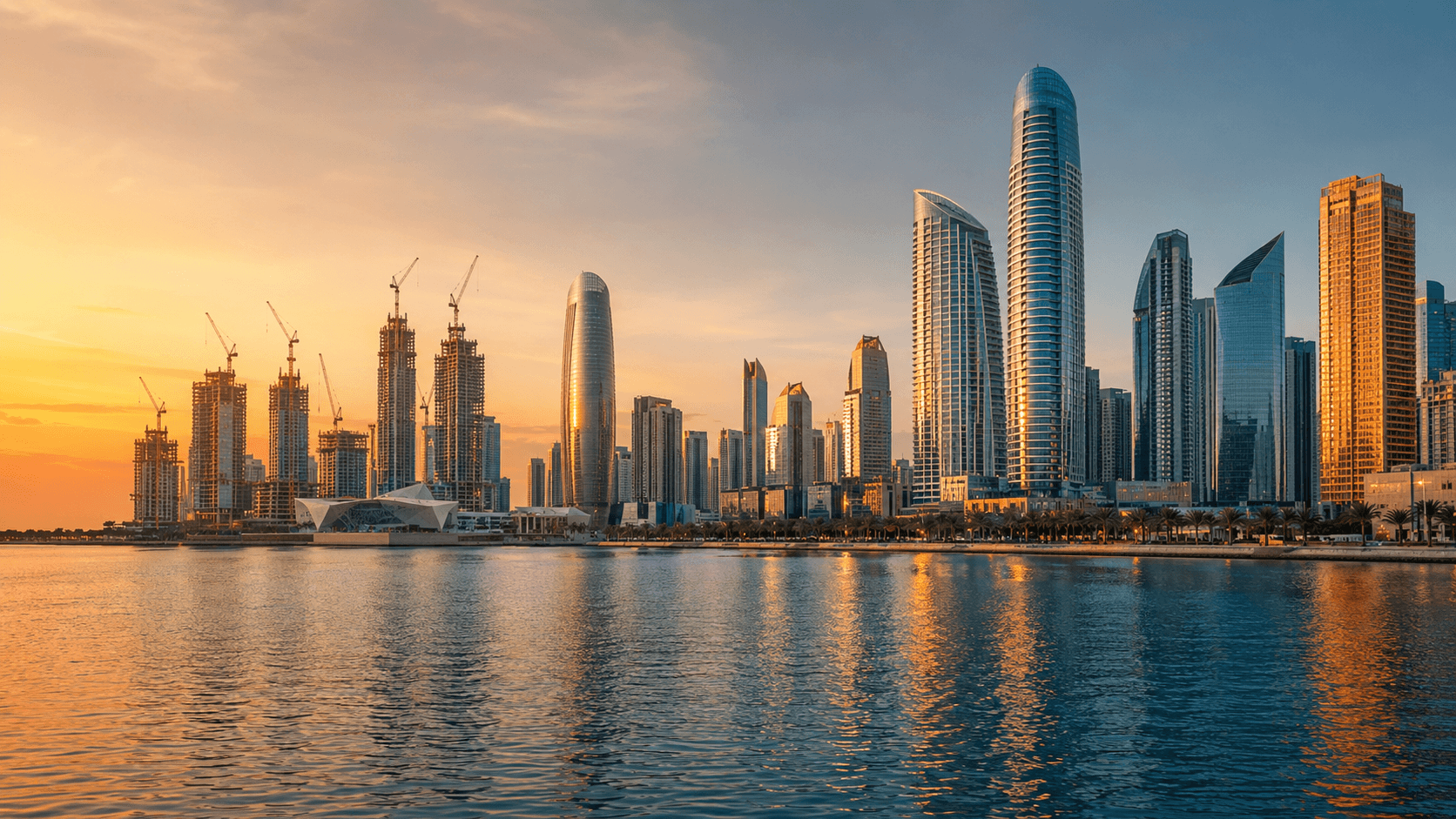
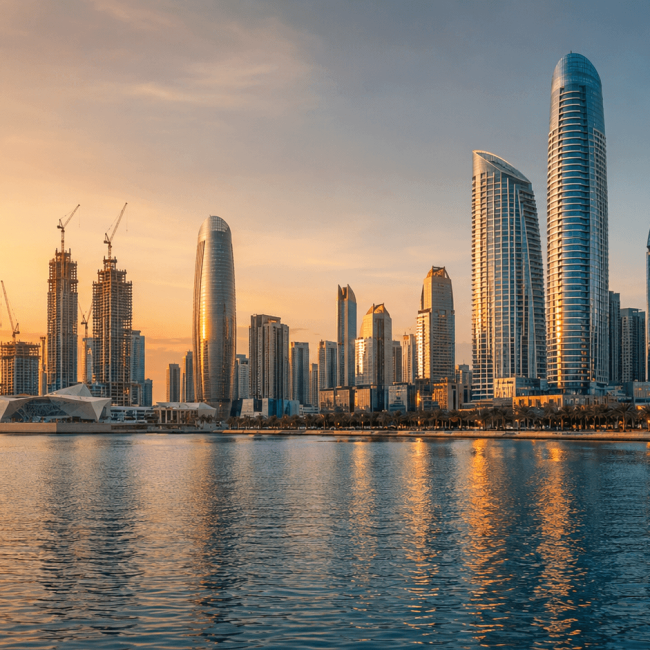
Dubai completed 104 projects worth more than AED 111bn ($30.2bn) in H1 2026 — up from 75 projects (AED 73bn) a year earlier, a 38.7% rise in projects and 52% in value. New units rose more than 36% to 24,537, and ready-for-handover space grew 23.4% to 1.95m m². Land allocated to projects jumped 135% to AED 19.46bn ($5.3bn).
For investors, that supply wave is double-edged: more choice and negotiating room, but also the delivery surge behind the recent cooling in Dubai rents and prime prices. It reinforces a more selective market — location and developer quality matter more than they did a year ago.
The northern emirates: smaller markets, real momentum
Beyond Abu Dhabi and Dubai, the three northern emirates are increasingly on international investors’ radar — each for a different reason.
Sharjah — the affordable, family-driven commuter market.
Sharjah recorded ~AED 29.5bn ($8bn) in H1 2026, up 9.3%, across 59,460 transactions (+23.7%), drawing investors from 121 nationalities and registering 11 new projects. As the UAE’s cultural capital and a lower-cost neighbour to Dubai, Sharjah captures steady end-user and rental demand from families and professionals who work in Dubai but can no longer afford to live there. Its gradual opening of designated freehold and long-lease zones — master-planned communities such as Aljada and Maryam Island — to more nationalities has widened the buyer base. The draw here is yield and affordability, not capital-gain fireworks.
Ajman — the UAE's lowest entry point.
The smallest emirate posted AED 10.8bn ($2.9bn) across 6,815 transactions. Ajman offers the cheapest ticket into UAE property, with coastal developments (Ajman Corniche, Al Zorah) and designated freehold areas open to foreign buyers. It suits budget-conscious buy-to-let investors and end-users who want proximity to Sharjah and Dubai at a fraction of the price. It’s a small, less-liquid market, so selectivity and a clear rental strategy matter more than in the big two.
Ras Al Khaimah — the Wynn-driven growth story.
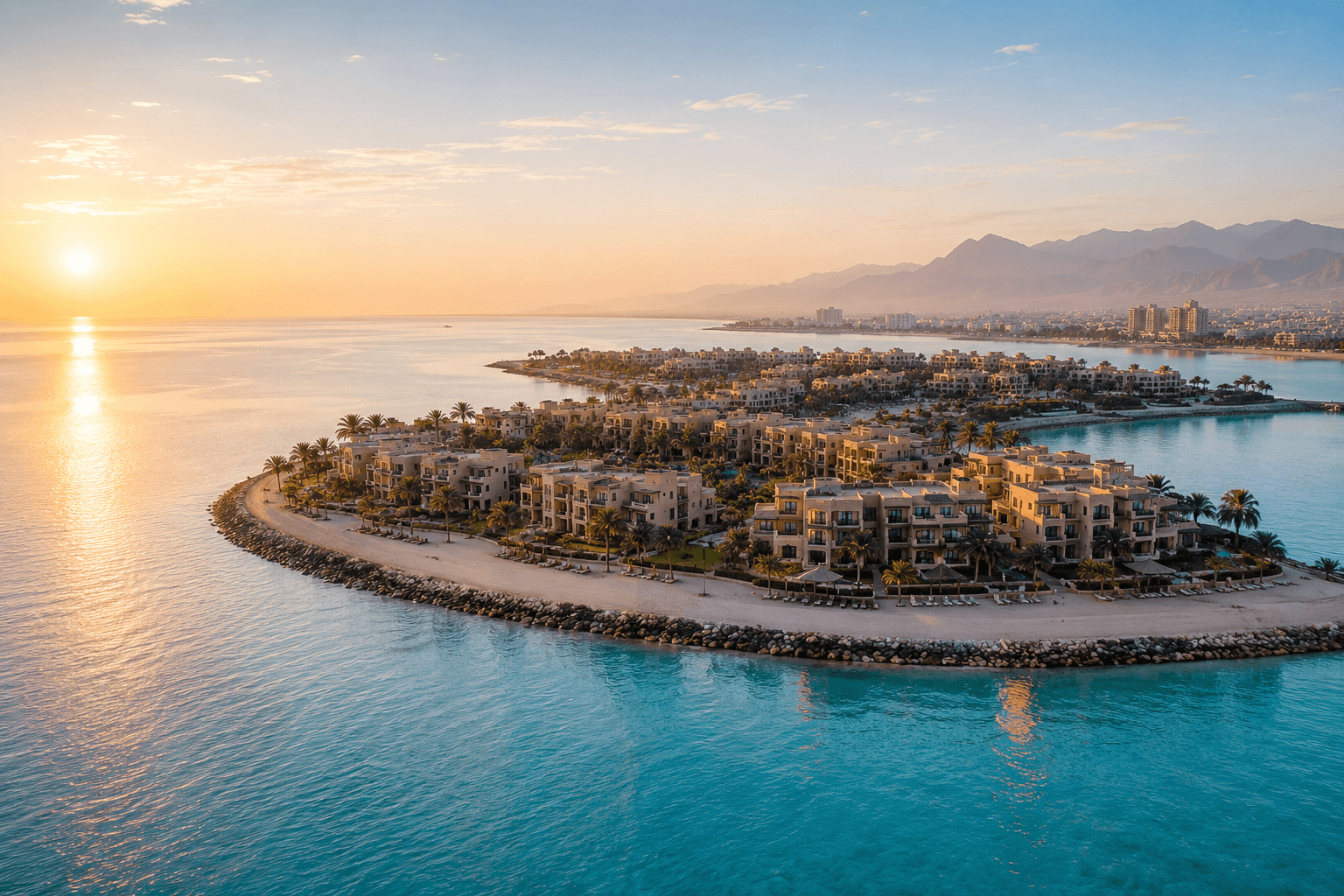
RAK’s H1 figure of ~AED 2.89bn ($787m) understates its momentum. The emirate is in a “pre-opening window” ahead of the $5.1bn Wynn Al Marjan Island — the UAE’s first integrated (casino) resort, due to open in early 2027. That single catalyst is re-pricing the market: Al Marjan Island alone accounts for over half of all sale listings, foreign buyers make up roughly 60% of demand, apartment prices have climbed 17–21% year-on-year, and rental yields sit around 6–8%. Foreign freehold is permitted in designated zones, and major developers (Aldar, Damac, RAK Properties, Dar Global) are racing to launch. For investors, RAK is the northern emirate with the clearest catalyst — and the one most exposed to a single project’s execution and timeline.
What it means for investors
Three takeaways stand out. First, Abu Dhabi deserves a serious look — the growth, FDI surge and 20% apartment-resale gains suggest the capital is early in a re-rating, not late. Second, off-plan is where the volume is (89% of AD sales value) — understanding payment plans and Oqood registration is now essential. Third, Dubai’s supply wave rewards selectivity — the record completions mean buyers should prioritise scarcity and quality over broad market exposure.
Our French- and English-speaking advisers, based in the UAE, can identify off-plan opportunities in Abu Dhabi and Dubai, model yields, and handle Golden Visa eligibility. Book a free consultation →
Frequently Asked Questions (FAQ)
How much did Abu Dhabi property sales grow in H1 2026?
Sales transactions rose 163.7% to AED 86.1bn ($23.4bn), while total transaction value rose 112% to about AED 117bn ($31.9bn), per ADREC.
How many new units did Dubai deliver?
Dubai completed 104 projects and 24,537 new units in H1 2026, up more than 36% year-on-year.
What share of Abu Dhabi sales was off-plan?
Off-plan made up 89% of sales value and 82% of transactions.
How much did Abu Dhabi resale prices rise?
Resale prices rose 20% for apartments and 12% for villas.