UAE Rental & Price Performance: December Data Report
The UAE real estate market continues to be one of the most dynamic in the world. As we close the year, December offers a clear snapshot of trends in rents, property prices, yields, and occupancy rates across key residential and commercial areas. In this comprehensive report, we analyze the latest monthly data, helping investors, landlords, and renters understand the market pulse and make informed decisions.
Market Overview: December Snapshot
December 2025 reflects a balanced but clearly segmented market, where prime communities keep pushing higher while value-driven districts remain steady. This section highlights the headline indicators of rents, prices, and occupancy so you can quickly understand where momentum is strongest. It also helps separate short-term seasonal noise from structural demand trends. Use this snapshot as the baseline before drilling into unit types, locations, and yield comparisons.
December 2025 shows steady momentum in UAE real estate, with notable trends:
- Average rental growth: Across Dubai, rents for apartments increased by 2–6%, with premium waterfront communities showing slightly higher growth.
- Property price movement: Average residential property prices increased by 1–4%, driven primarily by high-demand areas like Downtown Dubai and Dubai Hills.
- Occupancy rates: Overall occupancy in residential communities remains robust at 85–92%, reflecting sustained rental demand.
These figures reflect a healthy balance between supply and demand, despite new project launches across Dubai and Abu Dhabi.
Rental Performance by Property Type
Rental performance varies most sharply by unit size and tenant profile, which is why segmenting by property type is essential. This section shows how studios, one-bedroom units, and family-sized homes are moving differently in the same market cycle. It also helps landlords understand where pricing power is strongest and where competition is rising. Investors can use these patterns to align purchases with demand depth, vacancy risk, and achievable rent growth.
Rental trends vary significantly depending on unit type, location, and amenities:
Property type | Average rent (aed) | Monthly change (%) | Observations |
Studio | 45,000–55,000 | +2% | High demand in urban areas, especially Dubai Marina and JVC. |
1-Bedroom | 70,000–85,000 | +3% | Prime areas like Downtown Dubai continue to command premium rents. |
2-Bedroom | 95,000–130,000 | +4% | Families increasingly prefer well-connected communities like Dubai Hills and Arabian Ranches. |
3-Bedroom+ | 160,000–250,000 | +5–6% | Luxury villas and waterfront residences drive high-end rental growth. |
Insight: Multi-bedroom units in family-focused areas are seeing faster rental growth, highlighting strong family and long-term tenant demand.
Price Performance Across Key Areas
Price movement in the UAE is increasingly location-driven, with stronger appreciation concentrated in prime, lifestyle-led communities. This section compares key areas side-by-side to show where prices are rising fastest and why. It also clarifies how factors like supply scarcity, community maturity, and investor demand influence monthly shifts. Use this table to identify which districts are behaving like “appreciation plays” versus “stability/yield plays.”
Property prices continue to diverge depending on location, view, and community development:
Area | Average price per sq. ft (aed) | Monthly change (%) | Key drivers |
Downtown Dubai | 3,400 | +3% | Iconic views, high investor interest, limited supply. |
Dubai Marina | 2,250 | +2% | Waterfront living, strong expat demand. |
Dubai Hills | 1,950 | +4% | Family-friendly amenities, schools, and parks. |
Business Bay | 2,100 | +2% | Premium office-residential mix drives moderate growth. |
JVC | 1,200 | +1% | More affordable options, moderate investment interest. |
Observation: Luxury and waterfront locations continue to outperform mid-market areas in price appreciation, while affordable housing remains stable.
Yield Analysis
Rental yield is the investor’s “return engine,” and it often tells a different story than price appreciation alone. This section breaks yields by unit type across major areas to highlight where income returns are strongest relative to purchase prices. It also helps investors understand the trade-off between buying prime for appreciation versus buying mid-market for yield. Use these yield ranges as a starting point, then refine with building-level service charges, vacancy assumptions, and net yield modeling.
Rental yields indicate potential ROI for investors. Average yields vary by property type and location:
Area | Studio yield (%) | 1-br yield (%) | 2-br yield (%) | 3-br+ yield (%) |
Downtown Dubai | 5.0 | 4.7 | 4.5 | 4.2 |
Dubai Marina | 5.3 | 5.0 | 4.8 | 4.5 |
Dubai Hills | 5.5 | 5.2 | 5.0 | 4.7 |
JVC | 6.0 | 5.7 | 5.5 | 5.2 |
Key takeaway: Mid-range areas like JVC and Dubai Hills offer the highest yields, while prime locations offer strong price appreciation but slightly lower rental yield.
Occupancy & Demand Trends
Occupancy is a direct signal of demand strength and pricing resilience, especially for landlords managing vacancy risk. This section summarizes how full key communities are and what that implies for rent stability and renewal power. It also highlights where seasonal volatility is more pronounced, which matters for investors relying on short-term or tourism-linked demand.
Downtown Dubai (88–90% occupancy)
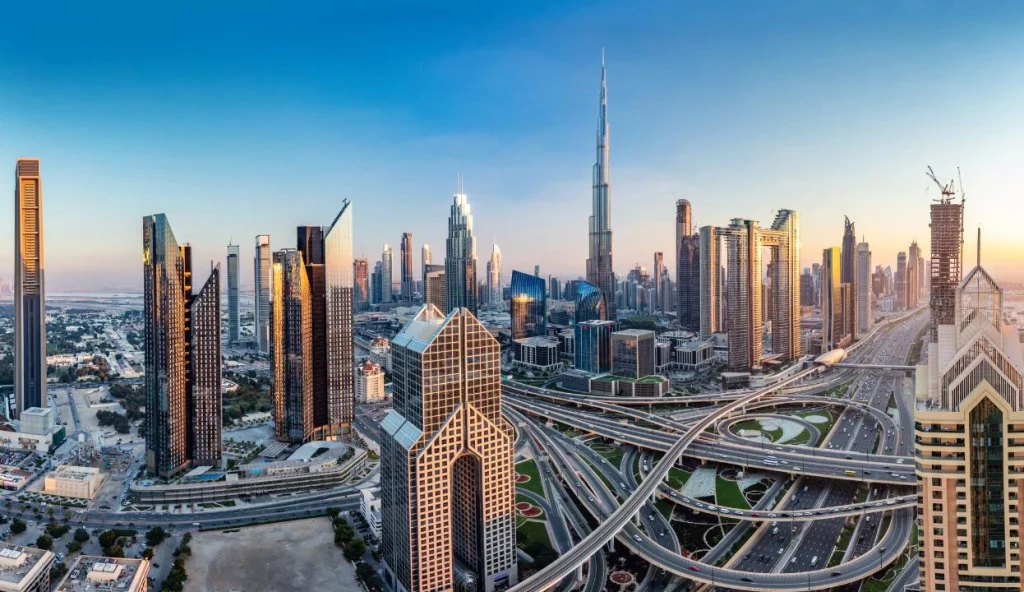
Downtown Dubai typically sustains high, steady occupancy because it sits at the center of business, retail, and premium lifestyle demand. A large share of tenants are international professionals and corporate-linked renters who value location, convenience, and building quality, which reduces vacancy gaps. For landlords, this level of occupancy usually translates into strong pricing resilience rents hold up better during softer market cycles and better renewal leverage, since replacement demand remains active year-round. The main risk is that it is a premium market, so competition between similar towers can influence incentives, but overall demand strength keeps occupancy stable.
Dubai Marina (85–87% occupancy)

Dubai Marina shows strong occupancy, but it is more exposed to seasonal swings compared to family-heavy communities. The area attracts lifestyle tenants, short-stay users, and tourism-linked demand due to the waterfront setting, dining, and walkable entertainment zones. This can create periods of faster absorption and higher rates during peak seasons, followed by softer stretches where landlords may need to adjust pricing or offer concessions to reduce vacancy time. As a result, Marina is best viewed as a cyclical demand zone still high demand overall, but more sensitive to short-term rental dynamics and market sentiment than long-term suburban communities.
JVC (90–92% occupancy)
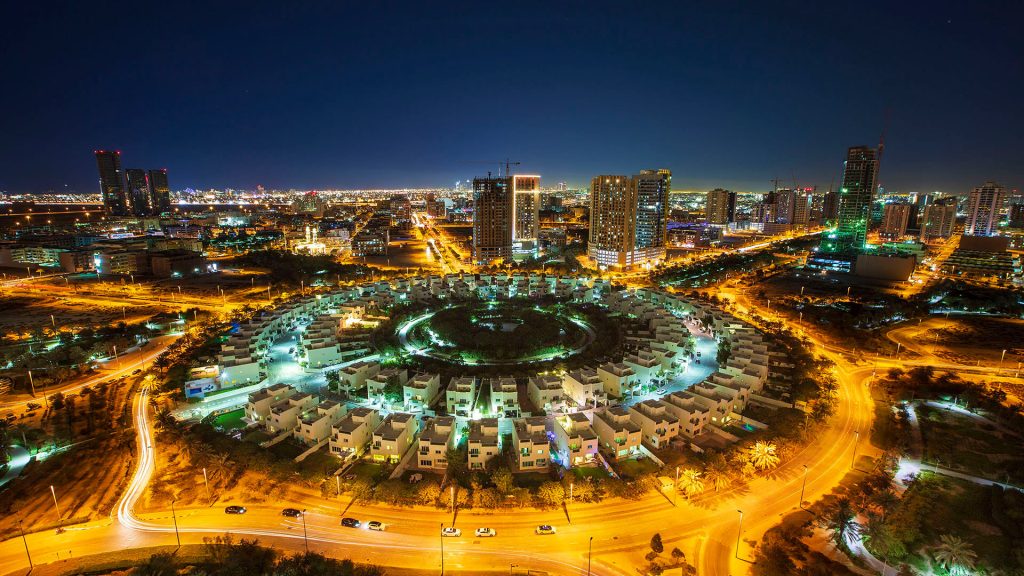
JVC consistently posts very high occupancy because it functions as a value-driven, long-term rental hub with broad tenant appeal. Its mix of mid-rise apartments and townhouses, everyday amenities, and relatively accessible rents supports continuous leasing activity from young families and working professionals. This occupancy profile typically means lower vacancy risk and more predictable cash flow, with renewals often smoother because tenants treat the community as a longer-term base. For investors focused on stability rather than seasonal upside, JVC is generally a steady-demand zone where occupancy remains resilient even when premium areas fluctuate.
Dubai Hills Estate (90–92% occupancy)

Dubai Hills Estate also maintains very high occupancy, largely supported by family-led demand for modern, master-planned living. The community’s greenery, newer building stock, and proximity to schools and major retail create a strong “liveability premium,” encouraging longer lease terms and higher renewal retention. This stability makes occupancy less vulnerable to tourism cycles and more tied to local resident demand, which typically improves rent stability and reduces downtime between tenants. For landlords, Dubai Hills tends to offer high renewal power and consistent occupancy-driven performance, positioning it as one of the stronger areas for low-volatility rental outcomes.
Price shifts: Month-on-Month comparison
Month-on-month pricing reveals where demand is strongest right now, and where supply pressure is keeping growth moderate. This section groups the market into luxury, mid-market, and affordable segments to show how different buyer pools behave. It also clarifies why “prime inventory scarcity” can push values higher even when the broader market is stable. December data shows selective growth across the UAE market, where price movement is clearly stronger in locations with high demand, limited prime inventory, and premium lifestyle appeal.
⇒ Luxury segment: 2–5% increase in prime communities such as Downtown Dubai, Dubai marina, and Emaar beachfront, supported by strong end-user demand, branded developments, and continued interest from international buyers. These locations typically react faster to market sentiment because they have deeper liquidity and more consistent demand for premium properties.
⇒ Mid-market segment: 1–3% growth in communities like Jvc, Dubai South, and Dubai hills, where demand is driven by affordability relative to prime zones, modern building stock, and family-friendly infrastructure. This segment often benefits from steady resident demand, making it a strong “balance” category for investors seeking both capital appreciation and reasonable rental stability.
⇒ Affordable segment: Largely stable with minimal fluctuation in rents and prices, as buyers and tenants in this range are more price-sensitive. Supply availability and competitive pricing keep growth moderate, but this stability can be attractive for investors prioritizing predictable occupancy and consistent cash flow.
Analysis: Overall, December’s month-on-month pattern suggests that price growth is concentrated in established and high-demand communities, where desirability and limited high-quality inventory push values upward. Meanwhile, peripheral or more affordable areas are holding steady, which can actually be an advantage for yield-focused strategies investors may face lower entry prices while still capturing strong rental demand, especially if they select well-connected locations and properties with efficient layouts and good building management.
Investment Insights & Recommendations
Turning market data into action requires mapping each trend to a clear investment objective: appreciation, yield, or a balanced blend. This section converts December’s numbers into practical guidance for investors and landlords. It also helps avoid common mistakes like chasing headline price growth while ignoring yield compression or vacancy sensitivity. Use these recommendations as a portfolio framework, then refine by budget, financing, and your preferred holding period.
Based on December data:
- For capital appreciation: Focus on luxury and waterfront communities where prices are rising steadily.
- For rental yield: Consider mid-range areas such as JVC, Dubai Hills, or Dubai South, where rental income relative to purchase price is higher.
- For balanced ROI: Select areas offering both price growth and consistent rental demand, e.g., Business Bay or Dubai Marina.
- Monitor occupancy trends: Areas with stable occupancy rates provide security against rental vacancies.
Strategic tip: Combining luxury properties in high-demand zones with mid-market investments can optimize portfolio returns.
Looking Ahead: Early 2026 Outlook
Forward-looking strategy depends on understanding what’s coming next: new supply, shifting demand drivers, and how tenant preferences are evolving. This section outlines the near-term pipeline and the likely market impact across rents and prices. It also highlights why diversification across product types and communities can reduce risk in a market where growth is selective. Use this outlook to plan timing, negotiate smarter, and position your portfolio for early-2026 dynamics.
- Supply pipeline: Several new projects launching in Dubai marina, Business bay, and Dubai south. This could slightly moderate price growth but may increase rental options.
- Demand factors: Expanding expat population and family migration to suburban communities will maintain rental demand.
- Investment strategy: Diversified portfolios across luxury, mid-market, and family-friendly communities are likely to outperform single-strategy investments.
December 2025 demonstrates a stable yet selective growth pattern in the UAE property market. Luxury areas continue to lead price appreciation, while mid-market locations maintain strong rental yields. Occupancy rates remain high, indicating ongoing demand. For investors, understanding these nuanced trends is key to maximizing ROI while managing risk. By keeping a finger on both rental dynamics and property price shifts, stakeholders can make informed decisions to capitalize on the evolving UAE market landscape.
If you are ready to explore investment opportunities in Dubai, discover our opportunities in Dubai and use our investment tool to make informed decisions, perfectly aligned with your goals.
Do you have questions about your next investment? Contact VALORISIMO today to benefit from personalized support and expert advice tailored to your objectives.
Foire aux questions (FAQ) ]
What does the UAE December Data Report cover?
What’s the difference between rental performance and price performance?
Rental performance tracks changes in rents and occupancy (income side), while price performance tracks changes in sale prices and appreciation (capital growth side).
How should investors or landlords use this report?
Use it to identify high-yield locations, spot areas with stronger price momentum, and make smarter decisions on pricing, negotiations, and portfolio positioning based on December trends.
Related Posts

Dubai Real Estate: Better Developer Deals During the Crisis?
Understanding the Dubai Real Estate Index 2026

Top Capital Appreciation Areas in Dubai 2026
Top Rental Yield Areas in Dubai 2026: Investment Guide

Property Payment Plans In Dubai And Abu Dhabi 2026

Golden Visa Dubai: Complete Guide for Investors in 2025

UAE Mortgage Guide: 2025.

Service Charges in Dubai & Abu Dhabi 2025.