SUB-AREA ANALYSIS: Dubai Islands A vs B vs C Which Sub-Zone Performs Better?
TL;DR: Dubai Islands is a large, Nakheel masterplan of five interconnected isles that will mix villas, apartments, hotels and leisure. Sub-zones A, B and C (for the purpose of this analysis we treat them as three representative sub-zones inside the masterplan: Central / Marina / Shore-style clusters) differ by product mix, delivery timing, beach access and transport links and those differences drive price, rent and yield performance. Overall: Central/Marina (A) = best for capital appreciation and premium rents; Shore/Golf (B) = balanced family product, steady rents; Elite / villas cluster (C) = luxury niche with lower gross yields but strong long-term value.
What are Dubai Islands, and why do they matter?
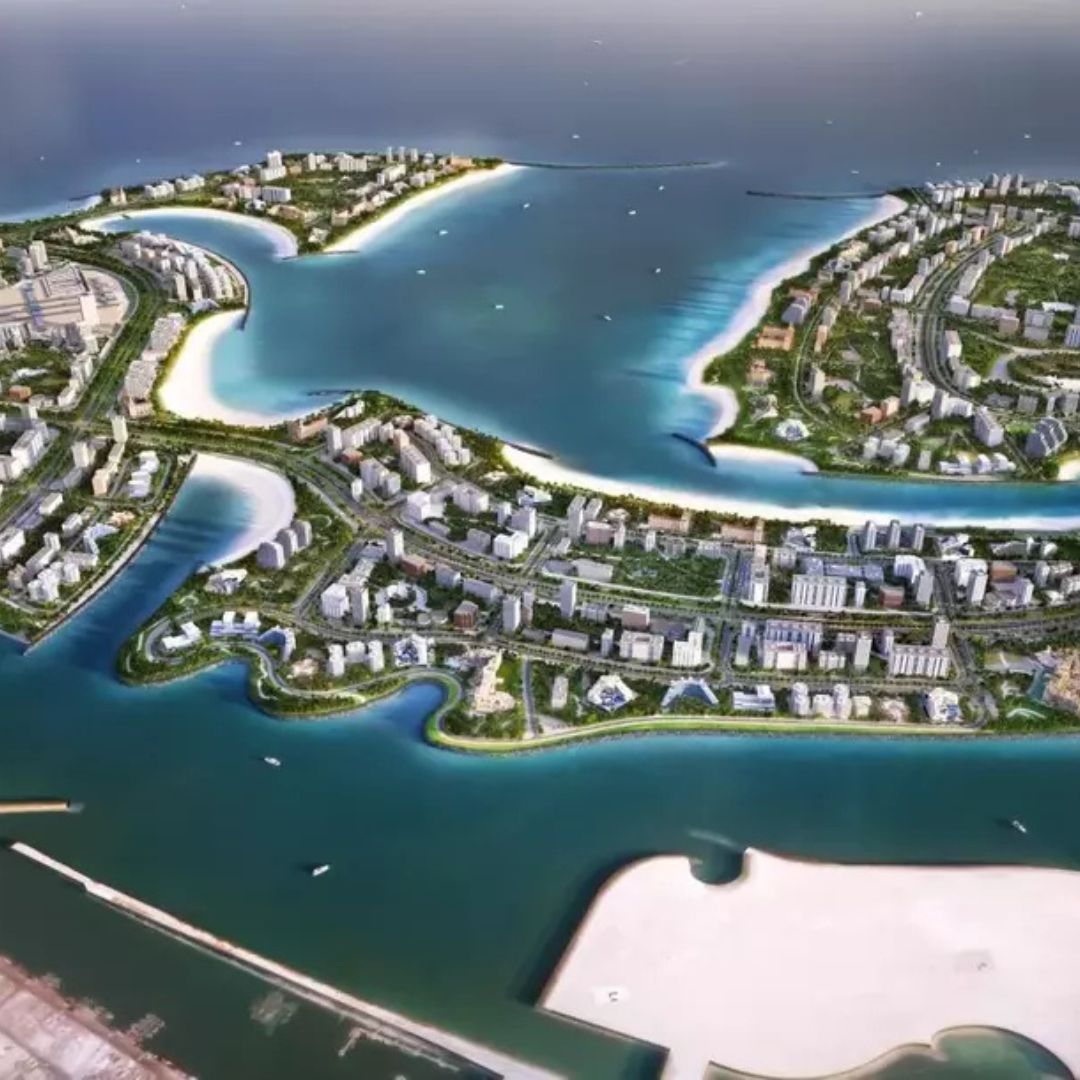
Dubai Islands is Nakheel’s 17 km² waterfront masterplan off Deira: five themed isles (Central, Marina, Shore, Golf and Elite in the developer map) that combine beaches, marinas, hotels, retail and residential communities. The scheme aims to provide 60+ km of waterfront and a Blue-Flag beach, with internal bridges and mainland connections. That masterplan and Nakheel’s positioning is the single biggest driver of pricing and demand expectations for any sub-area inside the project.
Defining our sub-zones for analysis (A, B, C)
To make a practical comparison for investors and buy-to-let owners, I group the masterplan into three working sub-zones:
Zone A: Central / Marina cluster: Higher-density apartments, marinafront towers, greater retail & F&B, shorter travel times to bridges and transit nodes. (Nakheel’s apartment launches and mixed-use buildings focus here.)
Zone B: Shore / Golf cluster: Lower-rise apartments and family buildings, beachfront promenades, landscaped parks and golf-facing communities (aimed at owner-occupiers and premium long-stay holiday market).
Zone C: Elite / Villas cluster: Standalone villas, bay villas and ultra-premium beachfront lots with lower density, bespoke product and higher price points.
Development status & delivery timelines — why timing matters?
Nakheel is rolling the Dubai Islands out in phases; major apartment launches (Bay Grove, Azura, Ark Enclave, etc.) are off-plan with handovers staged across 2026–2028. Off-plan pricing and payment plans dominate early-cycle activity.
Implication: Zone A typically sees earlier apartment launches and quicker liquidity. Zone C villa plots have longer value-realisation horizons (delivery later, smaller resale pool). This affects short-term resale and rental supply.
Access & connectivity — practical differences between A, B, C
Zone A (Central/Marina): Closest to the Infinity Bridge/mainland spine, easier vehicle access and shorter transfers to Deira/Dubai International. That makes it attractive for tenants working in central Dubai and for tourists.
Zone B (Shore/Golf): Designed for recreation; excellent on-island walkability but slightly longer drives to mainland employment hubs. Great for families who prioritise beaches and green space.
Zone C (Elite/Villas): Private road access, yacht/boat options, best sea-views but more dependent on car or boat transfers for daily commutes.
Practical result: Tenants who value commute time and lifestyle amenity will pay a premium for Zone A; families and long-stay holiday rental guests pay for Zone B’s park-to-sea lifestyle; Zone C commands exclusivity premiums but attracts a narrower pool.
Pricing snapshot (what the market says today)
Market average context: Dubai Islands list prices sit in the mid-to-high-segment compared with inland Dubai (several sources show average price/sqft for the islands notably below Palm Jumeirah but above many inland suburbs). Example market figures show island apartments averaging in the AED 1.5M-3M bracket for 1-2BR off-plan units, with some higher luxury inventory above AED 3m-4m.
Zone A: Apartment launches and marinafront units typically start at the higher end of the project’s apartment band expect ~AED 1.7–3.2M for 1–2BR off-plan options (developer and portal listings vary widely by project).
Zone B: Family apartments and mid-rise buildings are priced competitively vs Zone A often ~AED 1.5–2.7M for 1–3BR depending on beach proximity.
Zone C: Villas and bay-front properties begin where island apartments end, starting prices commonly from AED 3.5M–4M and rising well above for premium private lots.
Rental performance & yields — what to expect?
Macro yields: Dubai yields vary by neighbourhood and product; recent UAE/Dubai yield indices show gross yields averaging ** ~5–7%** across the city for apartments, with higher yields in affordable clusters and lower yields for ultra-prime waterfront stock. Dubai Islands’ mix of premium products suggests mid single-digit gross yields for apartments, lower for villas when measured as gross yield.
Zone A: Stronger short-let and serviced apartment demand (marina & retail amenity) projected gross yields ~5–6% for well-priced 1BR/2BR apartments in early secondary market; holiday rental peaks can push effective yields higher seasonally.
Zone B: Steady long-term tenant pool (families) → gross yields ~5–6%, but lower rental volatility; higher occupancy in near-beach family products.
Zone C: Villas command high rents but also high capital values; gross yields typically lower (3–4%) because capital outlay is much higher; these are value plays rather than yield plays.
Note: Official reported yields vary by data provider and change quickly; the island’s off-plan nature and evolving supply pipeline are significant variables. For up-to-date transaction-level yields consult RERA transaction data or broker rental transaction feeds.
Demand drivers & risks — the A to Z investor checklist
Variety of products (apartments → villas) attracts both investors and owner-occupiers.
Proximity to Dubai International Airport and central Dubai (relatively short drives) improves rental catchment.
Risks:
Supply timing: A large wave of new units scheduled across Dubai in 2025–2028 increases competition; oversupply can pressure short-term prices. Recent market commentary flagged significant upcoming stock which could cool price gains.
Off-plan premium risk: Buyers paying early may face slower capitalisation if handovers are delayed or market softens.
Narrow villa resale pool: Zone C villas are highly desirable but sell more slowly and carry higher transaction friction.
Which zone “performs better”? (Investor scenarios)
➤Short-to-medium term flip / quick resale:Zone A: Higher liquidity because of apartment product and better access; apartments sell faster than villas. ➤Buy-to-let (year-round income):Zone B: Stable family rentals and long-stay yields, lower vacancy risk. ➤Long-term wealth / ultra-luxury:Zone C: Lower gross yields but high capital appreciation potential for truly scarce beachfront lots.
Practical buying checklist (A → C)
Verify project stage & payment plan (off-plan vs ready). Early payment plans improve cashflow but increase timing risk.
Check connectivity: Which bridge/entry serves the plot and how long the daily commute to work hubs will be.
Estimate operating costs & service charges: Beachfront higher OPEX; factor into net yield.
Target product-market fit: Short-let friendly for Zone A (investor), family long-let for Zone B, prestige sale for Zone C.
Plan for tax & visa advantages: Use Dubai’s residency options and mortgage conditions where relevant.
If you want liquidity and lease-demand, focus on Zone A apartments (marinafront, mixed-use). If you want steady rental income and family tenants, target Zone B (shore/golf-facing family buildings). If your goal is long-term capital appreciation and exclusivity, buy selectively in Zone C (villas/lots) but be prepared for lower immediate yields. For any purchase, match purchase timing to your investment horizon and stress-test yields assuming rising supply and seasonal holiday demand.