Dubai Rental Market Surges to AED 126 Billion in 2025
Dubai, UAE — Dubai’s rental property market recorded exceptional growth in 2025, with registered tenancy contracts reaching a staggering AED 126.4 billion (Dh126.4bn) underscoring strong demand from residential and commercial tenants across the emirate. This robust expansion in leasing activity highlights Dubai’s sustained appeal as a global hub for residents, expatriates, businesses and investors alike.
According to data released by the Dubai Land Department (DLD), tenancy contract registrations grew 6% in volume and 17% in value compared with 2024, hitting approximately 1.38 million tenancy contracts for 2025. This remarkable growth signals not only a rebounding economy but also mounting pressure on rental stock as Dubai’s population expands and mobility within the city accelerates. In this article, we dive into the drivers behind the surge, how rental and property markets are performing, and what this means for tenants, investors and policymakers.
1. Record-Breaking Growth in Rental Contracts
The 2025 rental figures mark a continuation of a long-term trend of rising contract values and leasing activity. New tenancy agreements jumped by 10%, reflecting fresh demand from residents moving into the market, while renewals climbed by 3% — indicating stable occupancy and retention rates.
Why this matters:
- High contract value growth (17%) shows not only increased transaction volume but also higher per-unit rents and more premium leases being signed. This points to strong confidence in renting as a key housing option in Dubai.
- Steady renewals suggest that once tenants secure a lease, they often choose stability over frequent relocation.
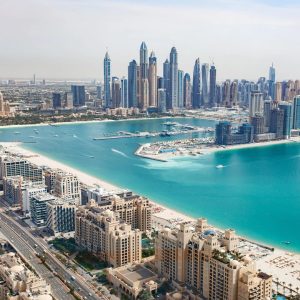
Urbanicals like DIFC, Business Bay, Jumeirah Village Circle and Dubai Marina have seen particularly strong uptake due to lifestyle appeal and strategic location advantages. Experts say lease terms also reflect Dubai’s broader economic growth, with multinational firms and new companies entering the emirate boosting demand for corporate housing.
2. Population Inflow: A Major Growth Engine
One of the most critical drivers underpinning rental demand is Dubai’s expanding population. In 2025, the emirate’s population surpassed four million residents, a milestone that reinforces long-term housing needs across all segments from mid-market apartments to high-end villas. This demographic surge isn’t just about numbers: it represents a diverse mix of residents, including professionals, families, investors and international relocators. Dubai’s strategic efforts to attract global talent including initiatives like the Golden Visa, remote work visas, and simplified business setups have played a substantial role in this influx.
Impact on rental trends:
- New residents often prioritize flexible leasing options, boosting short- and long-term rental demand.
- Larger communities and expanding districts are seeing heightened interest as tenants seek a mix of affordability, lifestyle amenities and proximity to work hubs.
3. Rental Sector’s Role in Economic Growth
The rental market’s strong performance aligns with Dubai’s broader economic strategy to sustain growth through diversification and population-led demand. As a key pillar of daily life, the property sector including both ownership and rental markets facilitates economic mobility, workforce accommodation and global investor confidence.
In tandem with rental performance:
- Completed projects reached 124 developments, a 7% increase, supporting the expanding rental ecosystem.
- Property transactions surged, with approximately 147,500 properties sold in 2025 a 25% increase in unit volume and 30% increase in total value to AED 280bn.
This shows that residential and commercial demand is not only strong in rentals but also translating into meaningful sales activity a positive sign for the overall real estate market’s health.
4. Residential Versus Commercial Rental Dynamics
Dubai’s rental market is diversified, with both residential and commercial sectors playing important roles. Residential leases continue to dominate, but commercial leasing particularly office space has seen renewed interest as businesses expand in the emirate.
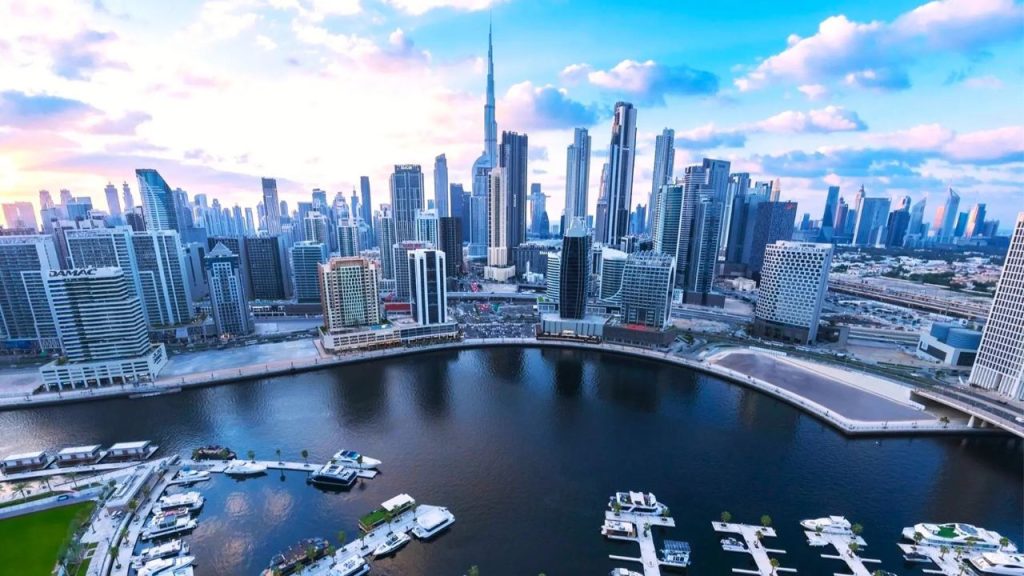
A recent office market report found that Grade A office space is operating at near-capacity levels in core districts like DIFC and Downtown Dubai, pushing rents up sharply and attracting investors seeking stable income streams.
Key commercial trends include:
- High occupancy rates (often near 95–99% in prime locations).
- Rising office rents, particularly in business districts.
- A pivot toward office ownership in some segments as corporates seek stable positions amid tight leasing conditions.
This interplay between residential and commercial demand is widening the rental market’s scope and making it more resilient against periodic fluctuations.
5. Property Development and Supply Challenges
While demand has surged, supply dynamics remain a focal point for the industry. Developers have stepped up with the number of under-construction projects rising by 25% in 2025 but supply is still striving to catch up with unprecedented demand. Analysts predict that Dubai will deliver hundreds of thousands of new housing units between 2026 and 2028, which may help ease supply pressures and stabilize rental growth. However, absorbing this supply will depend on population growth trends, investor sentiment, and international mobility patterns.
Construction trends to watch:
- Massive upcoming delivery cycles are expected from master-planned communities.
- Developers are increasingly focusing on mid-market and affordable categories to attract end-users.
- Premium segments remain strong but may face absorption risks if global economic conditions shift.
6. Tenant Trends and Market Sentiment
Beyond raw transaction volumes and contract values, tenant behaviour offers deeper insight into where Dubai’s rental market is heading. In 2025, shifting preferences, affordability considerations, and lifestyle expectations are reshaping how residents interact with the leasing market.
Shift Toward Home Ownership: Some residents are opting out of the rental cycle altogether, driven by rising rents and attractive sales conditions. Reports suggest rental renewals have declined in some segments as tenants choose home ownership.
Short-Term and Flexible Rentals: The short-term rental segment including holiday and vacation-style properties continues to benefit from Dubai’s booming tourism sector. Higher yields and flexible lease options appeal to investors and relocating professionals alike.
Rising Demand for Quality Housing: Tenants are increasingly seeking units with better amenities, proximity to business districts, and lifestyle-centric communities a factor contributing to stronger performance in select neighbourhoods.
What This Means for Investors and Policy Makers?
Dubai’s rental market reaching AED 126.4 billion in 2025 is not just a headline number, it carries significant strategic implications for both investors and government stakeholders. The scale and pace of growth reflect a maturing market that is transitioning from cyclical volatility toward long-term structural expansion.
For Investors
- Strong Rental Yields and Income Stability
The 17% rise in rental contract value signals improved yield performance across multiple segments. Higher contract values, combined with sustained occupancy levels, indicate strong cash-flow potential for landlords. Residential communities in high-demand areas such as Dubai Marina, Business Bay, and Jumeirah Village Circle continue to demonstrate resilience due to their established infrastructure and tenant appeal. For income-focused investors, consistent renewal activity provides reassurance that tenant retention remains healthy despite rising rents.
- Capital Appreciation Potential in Supply-Constrained Areas
Districts with limited new supply and strong population inflows are positioned for potential price appreciation. As demand outpaces available inventory in prime zones, both rental rates and asset values may continue to rise. Investors who strategically enter markets with infrastructure maturity and employment proximity may benefit from dual gains: rental income and capital growth. Emerging communities on the city’s outskirts may also present opportunities, particularly as infrastructure expansion improves connectivity.
- Diversification Through Commercial Leasing
Beyond residential assets, commercial property has re-emerged as a compelling diversification strategy. High occupancy rates in core business hubs such as DIFC and Downtown Dubai reflect strong corporate confidence. Grade A office shortages have pushed rents upward, enhancing yield prospects for commercial landlords. For portfolio diversification, combining residential and commercial holdings may provide stability against segment-specific fluctuations.
For Policy Makers
- Maintaining Supply-Demand Balance
Rapid rental growth, while positive, requires careful management to prevent overheating. Sustained double-digit value increases could strain affordability if supply does not keep pace with population growth. Coordinated planning between developers and regulatory bodies will be essential to ensure new housing delivery aligns with demographic expansion.
- Supporting Affordable and Mid-Market Housing
As rental costs rise in prime districts, ensuring adequate mid-market and affordable housing supply becomes critical for workforce sustainability. Encouraging developers to prioritize balanced housing segments can help maintain economic inclusivity and prevent excessive displacement toward peripheral areas.
- Continued Visa and Economic Reform Impact
Dubai’s long-term rental demand is closely tied to its pro-business and residency policies. Initiatives such as the Golden Visa and business-friendly reforms have directly contributed to population growth and housing demand. Sustaining these frameworks will reinforce investor confidence and ensure the rental sector remains a pillar of economic stability.
Outlook for 2026 and Beyond
For investors, Dubai’s 2025 rental performance underscores a market supported by structural demand rather than speculative momentum. For policymakers, the challenge lies in sustaining growth without triggering affordability imbalances. If population expansion, infrastructure investment, and regulatory oversight remain aligned, Dubai’s rental ecosystem is likely to continue evolving into one of the most stable and globally competitive property markets in the region.
With the rental sector achieving Dh126bn in 2025, Dubai stands poised for continued expansion into 2026 and beyond. The emirate’s steady population growth, diversified economy and real estate innovation make it a global hotspot for property activity.
Key outlook themes include:
- Strong leasing momentum will likely persist, driven by demographic shifts.
- New supply deliveries may moderate rent inflation while maintaining healthy market absorption.
- Investors will continue to view Dubai as a reliable, high-growth real estate destination.
As Dubai’s real estate landscape evolves, coordinated efforts among government bodies, developers and industry stakeholders will be essential to sustain confidence and balanced growth.
At Valorisimo, we provide data-driven insights and tailored strategies to help investors navigate fractional ownership, property investment and the UAE real estate market. Whether you’re looking to participate in fractional shares, diversify your portfolio or explore international exposure, our expert team is here to guide you.
Contact Valorisimo today to unlock smarter investment opportunities and ensure your real estate strategy is aligned with the future of property investment.
Frequently Asked Questions (FAQ)
How much did Dubai’s rental market grow in 2025?
Dubai’s rental market reached AED 126.4 billion in 2025, marking a 17% increase in total contract value compared to 2024. Tenancy contract volume rose by 6%, with approximately 1.38 million registered contracts, according to the Dubai Land Department.
What is driving Dubai rental market growth in 2025?
The main drivers include population growth surpassing four million residents, strong expatriate inflow, economic expansion, business-friendly visa reforms, and high corporate demand for housing. Lifestyle-focused communities and proximity to employment hubs are also accelerating leasing activity.
Are rental prices increasing in Dubai?
Yes, rental contract values increased significantly in 2025. The 17% rise in total contract value indicates both higher rents per unit and growing demand in prime and mid-market communities.
Related Posts
Golden Visa Dubai: Complete Guide for Investors in 2025
UAE Mortgage Guide: 2025.

Service Charges in Dubai & Abu Dhabi 2025.
Spotlight on Dubai’s Most Active Developers in 2025
A Comprehensive Guide to Mortgages in Dubai Real Estate

How Cryptocurrency is Shaping the Future of Real Estate in Dubai
Living in Dubai: Expat Guide 2025

Buying Property in Dubai with Cryptocurrency