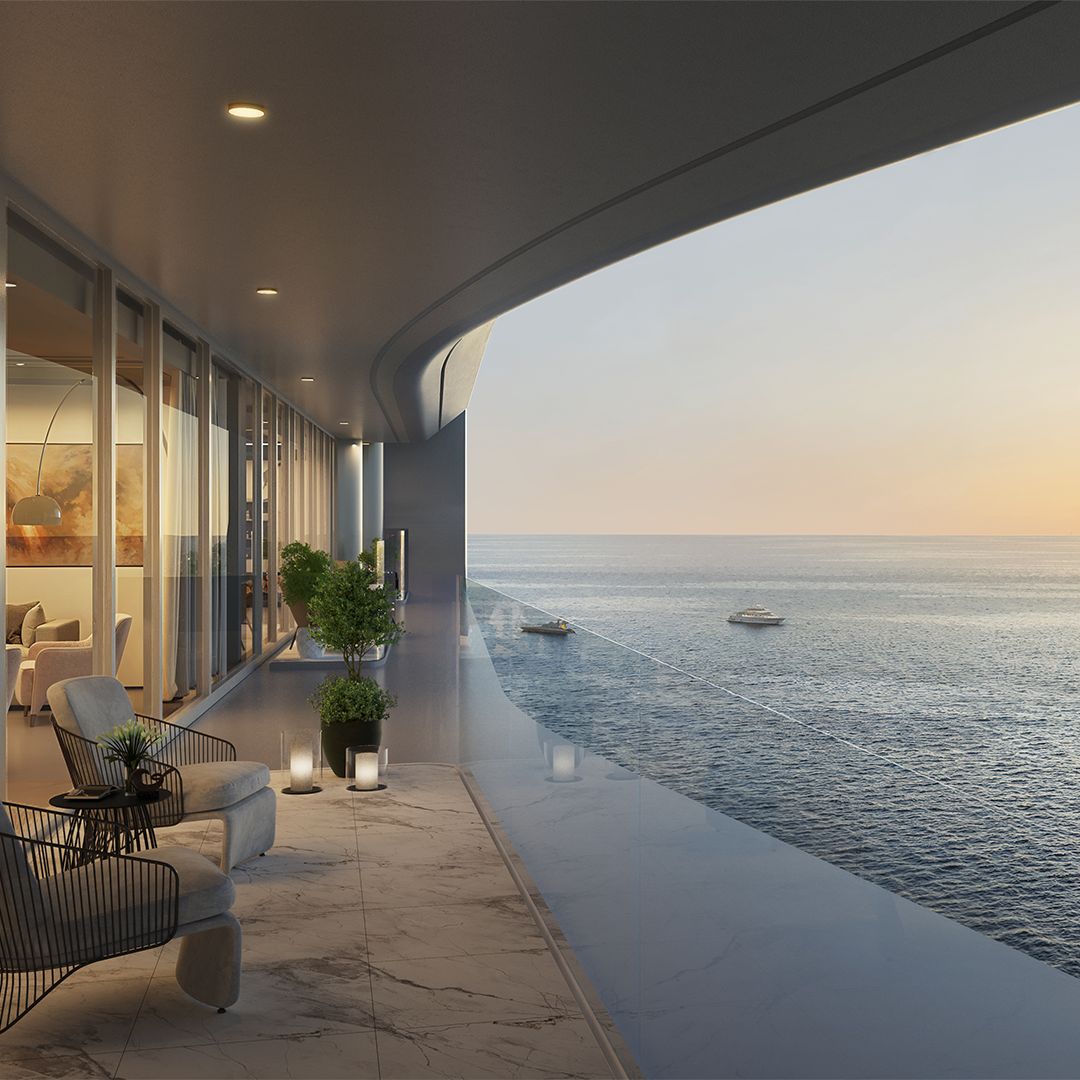
Beach Access or Sea View: Which Wins for Rental Yield?
Beach-access units tend to command higher short-term revenue (holiday/airbnb-style), while true unobstructed sea-view or beachfront properties usually carry a persistent capital and rental premium often 10-30% in price and a meaningful uplift in rent but they cost more to buy. Below I walk through definitions, demand drivers, measured premiums, step-by-step ROI math, risk points, and a practical decision framework so you can pick the option that suits your investment goals. Beach-access units usually bring in stronger short-term revenue because most guests care first about convenience how fast they can get from the door to the sand so “walk to the beach” sells easily, boosts bookings, and often improves occupancy in peak seasons.
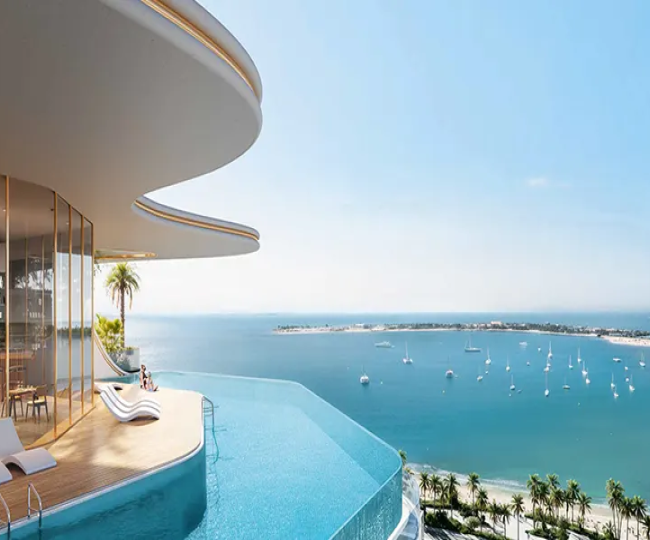
What we mean by each term?
To compare fairly, you need to separate “access” from “view,” because they trigger different tenant behavior and pricing power. Beach access mainly sells convenience and amenity, while sea view sells status, aesthetics, and perceived quality of life. Both offer “water appeal,” but they perform differently across short-term versus long-term rental channels.
Beach-access : Unit whose building or development includes private or direct access to the beach (walk-on access, private gate, or managed beach facilities). The emphasis is access and amenity.
Sea-view (limited access) : Unit that has a view of the sea (partial or full) but does not have direct/private beach access; public beach or a distance to the shore is possible. Emphasis is view + lower acquisition cost.
Both deliver “water appeal” but the monetisation channels differ: access sells experiences (short-term stays, lifestyle); views sell prestige and long-term rental desirability.
What the market data says (key facts)
Market evidence typically shows two patterns: sea view drives purchase price premiums, while beach access often drives stronger short-term revenue. That means the “winner” depends on your rental channel mix and your entry price. Treat the numbers below as directional benchmarks, then validate them with local comparables and platform performance in your target community.
- Studies and market reports commonly show a sea-view/ waterfront price premium in the ~10–30% range depending on market and view quality.
- Vacation-rental platforms and short-term datasets show listings with beach access or waterfront location often earn significantly more RevPAR (revenue per available rental) than comparable units without many market analyses report uplifts in the 20%–30% range for beach/waterfront listings on short-term channels.
- Local market baseline yields matter: e.g., Dubai apartment average rental yields are commonly reported in the mid-single digits (market averages vary by source and quarter). Location + product type change everything.
- Property portals show consistent premium pricing and listing scarcity for beachfront or true sea-view villas/apartments in prime beach communities. That scarcity is a driver of both rents and capital appreciation.
Why pay a premium? Demand drivers
Water-linked assets earn premiums because they tap into emotion, scarcity, and tenant quality. Beach access tends to attract experience-driven renters and tourists, while sea view attracts prestige-driven long-term tenants and end buyers. Understanding which demand driver dominates your specific micro-location is the fastest way to avoid overpaying and to forecast rent resilience.
Emotional / lifestyle value: Buyers and renters pay for the feeling and convenience of beach life.
Scarcity: Limited beachfront supply in high-demand cities drives price multiples.
Short-term rental performance: Beach access properties convert better to premium nightly rates and show higher occupancy in peak season.
Investor & tenant profiles: Expats, tourists, high-net-worth tenants favour beach access and turnkey beachfront products.
Resilience in downcycles: Top waterfront micro-locations often hold value better but this is market dependent.
How to compare ROI - the mechanics
To compare correctly, use a total-return lens rather than relying only on gross yield. Start by calculating gross yield, then convert to net yield after realistic costs, and then evaluate cash-on-cash if financing is involved. Once rental returns are comparable, layer appreciation scenarios, because scarcity (especially true beachfront) can materially change long-term outcomes.
Compare on a total return basis: (rental income net of costs) + (capital appreciation) divided by capital invested. For a quick, repeatable comparison use gross yield → net yield → cash-on-cash and then layer appreciation scenarios.
Example (step-by-step arithmetic)
Assumptions (illustrative):
- Beach-access unit purchase price: 2,000,000 (currency neutral : treat as AED, USD, EUR per your market).
- Sea-view (limited access) unit price: 1,700,000.
- Annual rent : beachfront (shorter supply, higher premium): 180,000. Sea-view annual rent: 150,000.
- Annual operating costs (management + maintenance + service charges + vacancy) = 25% of gross rent.
Compute gross yield and net yield:
- Beach gross yield = 180,000 ÷ 2,000,000 = 0.09 → 9.00% gross.
- Sea gross yield = 150,000 ÷ 1,700,000 = 0.0882352941 → 8.82% gross.
- Beach net yield = 9.00% × (1 − 0.25) = 0.09 × 0.75 = 6.75% net.
- Sea net yield = 8.82352941% × 0.75 = 6.62% net.
Result: under these numbers the beachfront produces a slightly higher net rental yield (6.75% vs 6.62%). The gap is small meaning small changes in purchase price, rent or costs flip the outcome.
Where beach-access wins
Beach access typically wins when you can monetize experience—peak seasons, holiday demand, and premium nightly rates. It also performs best in developments where private amenities (clubs, curated beachfront retail, managed facilities) create differentiation that supports pricing power. If your strategy is active and you can manage operations (or outsource professionally), beach access often delivers higher top-line revenue.
Short-term / holiday rental strategy: Lighter RevPAR and peak season premiums.
Premium tenants: longer, higher-quality corporate or affluent tenants who pay for lifestyle.
Differentiation: Beachfront developments with private amenities (beach clubs, lifestyle retail) command consistent pricing power.

Where sea-view (limited access) wins
Sea view often wins when the entry price discount is large enough to offset a smaller rent uplift. It can also provide steadier occupancy when long-term demand is deeper than tourism demand in that location. For many investors, this is the balanced option: water appeal, a broader tenant pool, and typically lower operating friction.
Lower acquisition cost : You buy a water-view at a discount vs true beachfront and can achieve similar yields if the price gap is big enough.
Lower capex & maintenance : Less erosion, lower beach maintenance fees, often lower service charge.
Broader tenant pool : Sea-view units can be more affordable to a wider renter base.
Risk factors to model
Water-linked assets can carry hidden volatility, especially if returns depend on short-term performance. Costs like service charges, maintenance, insurance, and vacancy swings can quietly erode premium rent advantages. Before you choose either option, model downside scenarios so you know what breaks your net yield and where the real risk sits.
- Seasonality : Beach rentals are highly seasonal; if relying on short-term revenue, off-season occupancy risk reduces effective annual yield.
- Service charges & maintenance : Beachfront developments often carry higher service charges (private beach upkeep, security, landscaping).
- Regulation : Short-term rental rules vary by city and can hurt Airbnb strategy.
- Weather / environmental risk : Erosion, storm damage, rising insurance costs for true waterfront assets.
- Liquidity & buyer pool : Prime waterfronts can be liquid but are price-sensitive in downturns.

Practical decision framework (pick your strategy)
The right choice depends less on the label (“beach access” vs “sea view”) and more on your operating model and return preference. Active investors may prioritize seasonal upside and accept operational complexity, while passive investors typically prioritize stability and cost control. Use the rules below to match product type to your goals, then confirm the decision with sensitivity testing.
- If you want high seasonal cashflow & can operate short-term → Lean beach-access. Build professional management, dynamic pricing, and season-aware reserves. (Good for active investors.)
- If you want steady long-term rental yield and lower capex → Lean sea-view limited access. Buy where price premium is modest and tenant demand is year-round. (Passive investor preference.)
- If you want capital appreciation + optional rental upside → Prioritize scarcity & micro-location (true beachfront in a high-demand city). Even if gross rental yield is similar, appreciation can be higher.
- Always run a sensitivity model: Change purchase price (±5-15%), rent (±10-20%), and operating costs ±5% to see how net yield flips. Small deltas often change the right choice.
Sample sensitivity scenarios (quick checklist)
Sensitivity checks keep the analysis honest by showing how easily the “winner” can change. In many deals, a small shift in price premium or achievable rent is enough to flip net yield. Use these quick rules as a first-pass filter before you run deeper spreadsheets.
- If the price premium for beach access > 10-15% but rent uplift only ~5–10% year-round, sea-view may win for yield.
- If short-term revenue uplift (peak RevPAR) is ≥20% and you can achieve >60% occupancy across the year (or accept seasonal cashflow), beach access likely wins.
Local market notes (why geography matters)
Markets differ wildly. For example, some coastal markets report sea-view premiums up to ~32% on asking prices (UK coast examples), and platforms in holiday markets show >20% revenue uplifts for beach listings. Local supply, tourism cycles and regulatory regimes determine which product is superior.
If you invest in cities with strong year-round demand (big employers, universities, hospital hubs), sea-view limited access can give steady occupancy; in tourism-driven markets, beach-access gets a big seasonal premium.
Practical checklist before you buy
A pre-purchase checklist prevents the most common mistake: assuming “water premium” automatically equals higher net profit. Your real outcome depends on fees, vacancy patterns, and whether short-term rentals are legal and executable in practice. Use this list to confirm the unit’s true operating profile and to avoid surprises after closing.
- Confirm exact service charge and special beach maintenance fees.
- Model vacancy: assume 5-15% for long-term, 30-60% seasonality for short-term in many markets.
- Check short-term rental regulations and licensing.
- Inspect micro-location: is the beach private, managed, or public? How far is the unit from sand?
- Run three scenarios: conservative, base, and optimistic for rent and appreciation.
- Factor in insurance and any premium for waterfront exposure.
There is no universal winner. If your goal is to maximize short-term cash flow and you can manage or outsource holiday rentals, beach access usually yields higher top-line revenue. If your priority is steady long-term yield versus lower upfront costs, a sea-view, limited-access property often yields a more reliable net return due to its lower purchase price and lower operating costs. The real advantage depends on the price gap between the two options and your operational plan. Use sensitivity tests: a 5–10% difference in purchase price or rent often flips the decision.
If you are ready to explore investment opportunities in Dubai, discover our opportunities in Dubai and use our investment tool to make informed decisions, perfectly aligned with your goals. Do you have questions about your next investment? Contact VALORISIMO today to benefit from personalized support and expert advice tailored to your objectives.
Foire aux questions (FAQ)
What’s the difference between “beach access” and “sea view” propertie
Beach Access: Property located on or right next to the beach with direct walk-on access to sand/water.
Sea View: Property with visual ocean views from windows/balconies but not necessarily immediate beach access.
Which property type typically commands a higher rental yield?
Beach access properties generally yield higher returns because they combine convenience + exclusivity — especially for short-term/holiday rentals.
However, premium sea-view units (e.g., penthouses) can outperform if marketed toward luxury segments.
Does location matter more than view vs access?
Yes. Location trumps both. A sea-view in a high-demand tourist hub often outperforms beach-access in a low-traffic area.
Related Posts

Golden Visa Dubai: Complete Guide for Investors in 2025

UAE Mortgage Guide: 2025.

Service Charges in Dubai & Abu Dhabi 2025.

Spotlight on Dubai’s Most Active Developers in 2025

A Comprehensive Guide to Mortgages in Dubai Real Estate

How Cryptocurrency is Shaping the Future of Real Estate in Dubai

Living in Dubai: Expat Guide 2025

Buying Property in Dubai with Cryptocurrency