
Buying or Renting in Dubai: Best Choice for Your Investment
Investing in real estate in Dubai can be highly profitable, but choosing between buying or renting in Dubai requires careful consideration. The right decision depends on your financial objectives, length of stay, and investor profile. A clear understanding of the local market dynamics, tax framework, and potential rental yield in Dubai is essential to make an informed and strategic choice.
With Valorisimo, you gain access to powerful analytical tools that allow you to simulate your investment in Dubai, compare different scenarios, and evaluate returns before committing. This data-driven approach helps you minimize risk and choose the option that best aligns with your long-term goals.

Why Invest in Real Estate in Dubai?
Dubai remains one of the most attractive real estate investment destinations in the world thanks to its investor-friendly environment, strong economic growth, and global appeal. One of the key advantages is its tax-efficient framework, with no personal income tax and no tax on rental income for individuals, allowing investors to maximize net returns.
The city also offers a diverse and dynamic property market, ranging from high-yield apartments in prime districts to luxury villas and branded residences. Strong demand from expatriates and international tourists ensures high occupancy rates and competitive rental yields. In addition, Dubai’s transparent regulations, secure property ownership system, and continuous infrastructure development provide long-term stability and confidence for foreign investors looking to grow and protect their capital.
Dubai Real Estate Market: Key Figures and Recent Trends
Dubai remains one of the most attractive real estate investment destinations in the world due to its investor-friendly environment, robust economic growth, and strong global appeal. One of its major advantages is a highly tax-efficient framework, with no personal income tax and no tax on rental income for individuals, enabling investors to significantly enhance their net returns.
Moreover, Dubai offers a diverse and dynamic property market, ranging from high-yield apartments in prime locations to luxury villas and branded residences. Sustained demand from expatriates and international tourists supports high occupancy levels and competitive rental yields. Combined with transparent regulations, a secure property ownership system, and ongoing infrastructure development, Dubai provides long-term stability and strong confidence for foreign investors seeking to grow and protect their capital.
Examples / key points:
- The average rent for a 1-bedroom apartment in Downtown Dubai ranges from AED 6,500 to AED 8,500 per month.
- Properties with sea views or Burj Khalifa views can increase rent by 10–20%.
- Check apartment prices in Dubai to get area-based estimates.
Advantages of Dubai for Foreign Investors
Dubai offers numerous benefits for investors: legal security, zero income tax, and easy access to financing for foreigners. The city also attracts tourists and expatriates, ensuring a constant flow of tenants. Transactions are fast and transparent, reducing investment risk. Dubai’s global connectivity also adds value. With two major airports, access to international markets, and a business-friendly environment, investors benefit from both rental demand from expatriates and potential capital gains driven by international interest.
Key points:
- Dubai is a safe city with clear laws protecting investors.
- Top real estate developers in Dubai offer reliable projects that meet international standards.
- The market offers a wide variety of options: apartments, villas, and townhouses for all budgets and strategie
Buying in Dubai: Advantages, Disadvantages, and Investor Profiles
Buying in Dubai allows investors to generate long-term capital appreciation and benefit from stable rental income. However, it requires higher initial capital and market knowledge. Buying is ideal for long-term investors or those looking to diversify their real estate portfolio. With the right information, you can maximize returns by choosing the right areas and property types. Investors should pay close attention to developer reputation and project quality when buying property in Dubai. Working with reputable developers reduces risks of delays or construction issues. Buyers should also evaluate factors like proximity to business hubs, transport links, and future infrastructure projects, as these influence both rental income and long-term appreciation. Service charges, maintenance costs, and homeowners’ association rules should be reviewed carefully, since they can significantly impact cash flow. Combining a strategic location with a property type that aligns with market demand ensures stable returns and long-term capital growth.
Buying Process for Foreign Investors
The buying process for foreigners is relatively straightforward but involves several steps: property selection, preliminary contract, and final transfer at the Dubai Land Department. Required documents include a passport, visa, and proof of funds. Property choice should align with your strategy: rental yield or long-term capital growth.
Examples / points:
- Explore apartments for sale in Dubai or villas for sale in Dubai based on your budget.
- Check service charges and maintenance fees before purchasing.
- Townhouses (houses for sale in Dubai) are popular with families and offer stable rental yields.
Rental Yield and Capital Appreciation: Focus on Profitability When Buying
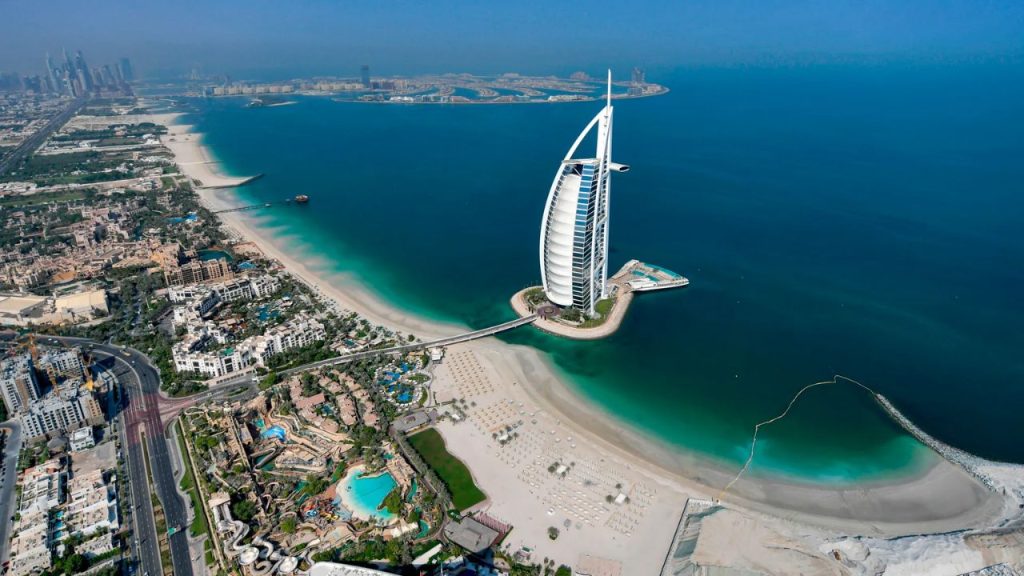
Buying in Dubai allows you to combine two types of returns: regular rental income and long-term property appreciation. Profitability varies by location, property size, and developer quality. Well-located or premium-view properties can generate up to 8–10% annual yield.
Examples:
- A 2-bedroom apartment in Dubai Marina can generate around 7% annual rental yield.
- A villa on Palm Jumeirah can achieve capital appreciation above 15% over five years.
- Check Dubai rental yield data for detailed, area-by-area figures.
Risks and Key Points to Watch When Buying
Investors should also consider macroeconomic and neighborhood trends to forecast property performance accurately. Properties near key commercial districts, metro stations, or tourist attractions often achieve higher occupancy and rental growth. Off-plan investments can provide early-stage price advantages, especially when supported by flexible payment schemes. Moreover, tracking developer reputation, market supply, and demand cycles ensures that projected yields and capital appreciation are realistic. By combining quantitative data with qualitative market insights, investors can make informed decisions that optimize both short-term cash flow and long-term portfolio growth. While Dubai’s real estate market offers strong opportunities, investors must remain aware of certain risks and exercise due diligence to protect their investment:
- Market Fluctuations
- Property prices can vary according to the real estate cycle. Understanding trends in different neighborhoods is essential before committing.
- Emerging areas may offer higher potential gains but carry more volatility.
- Developer Reputation
- Not all developers are equal. Choosing projects from reputable and established developers in Dubai reduces the risk of delays, construction issues, or legal complications.
- Hidden Costs and Fees
- Consider service charges, maintenance fees, and other ongoing costs that may affect cash flow.
- Avoid properties with unusually high or unclear service charges.
- Project Delivery Delays
- Some off-plan projects may face delays. Verify the developer’s track record and contractual guarantees to minimize exposure.
5. Overreliance on Tourism
- While tourist demand can boost short-term rental income, relying solely on tourism can be risky. Long-term rental demand should also be assessed.
6. Legal and Regulatory Awareness
- Understand Dubai’s real estate laws, ownership regulations, and contractual obligations to ensure compliance and protect your investment.
By carefully evaluating these risks, verifying developer credentials, and analyzing the market, investors can maximize returns while minimizing potential pitfalls in Dubai’s real estate market.
Renting in Dubai: Who Is It For and What Are the Opportunities?
Renting a property in Dubai provides flexibility and can be an ideal option for certain profiles of investors and expatriates. It allows access to the property market without committing a large capital upfront and enables newcomers to test the market before making a purchase. Renting offers a unique opportunity to experience different communities and lifestyle options in Dubai. Residents can evaluate amenities, commute times, and neighborhood dynamics before committing to a purchase. Certain areas allow short-term rentals with appropriate permissions, offering extra income potential. For expatriates, renting minimizes financial risk while enabling flexibility to relocate for work, family, or personal preferences. Additionally, by monitoring rental trends and neighborhood developments while renting, residents can make informed decisions on when and where to buy, optimizing both investment timing and property choice.
Who Benefits Most from Renting?
- Short-term residents or expatriates: Those planning to stay in Dubai temporarily can enjoy a comfortable lifestyle without long-term financial commitment.
- Investors testing the market: Renting provides an opportunity to understand neighborhood dynamics, rental demand, and market trends before investing.
- Professionals in transition: Individuals relocating for work or projects can easily adjust their living arrangements according to changing needs.
Flexibility and Tax Advantages of Renting
Renting in Dubai offers fiscal and operational advantages. Rental income is not taxed, increasing net returns for tenants or sub-lessors. Flexibility allows residents to change neighborhoods based on professional or personal needs.
Examples / points:
- Renting an apartment in Business Bay provides proximity to offices while remaining central.
- Short-term rentals are permitted in certain areas with authorization.
- Consult the Dubai tax guide to understand tax benefits.
Risks and Limitations of Renting in Dubai
While flexible, renting has downsides: rising rents, lease duration limits, and no capital appreciation. Availability can vary by area and season. Reading contracts carefully is essential.
Examples / points:
- Some residences do not allow short-term subleasing.
- Rents in Downtown Dubai or Marina can increase by 5–15% per year.
- Tenants should budget for security deposits and additional charges.
Buying or Renting in Dubai: Comparison of Both Options
Choosing between buying and renting requires comparing financial criteria, length of stay, taxation, and potential returns. Buying is profitable long-term but requires significant capital, while renting offers flexibility without wealth accumulation.
Summary Table of Key Criteria
Criteria | Buying in Dubai | Renting in Dubai |
Initial capital | High | Low |
Rental yield | 6–10% | Not applicable |
Capital appreciation | Possible long-term | Not applicable |
Flexibility | Low | High |
Taxation | Zero income tax | Zero income tax |
Testimonials or Case Studies from French-Speaking Investors
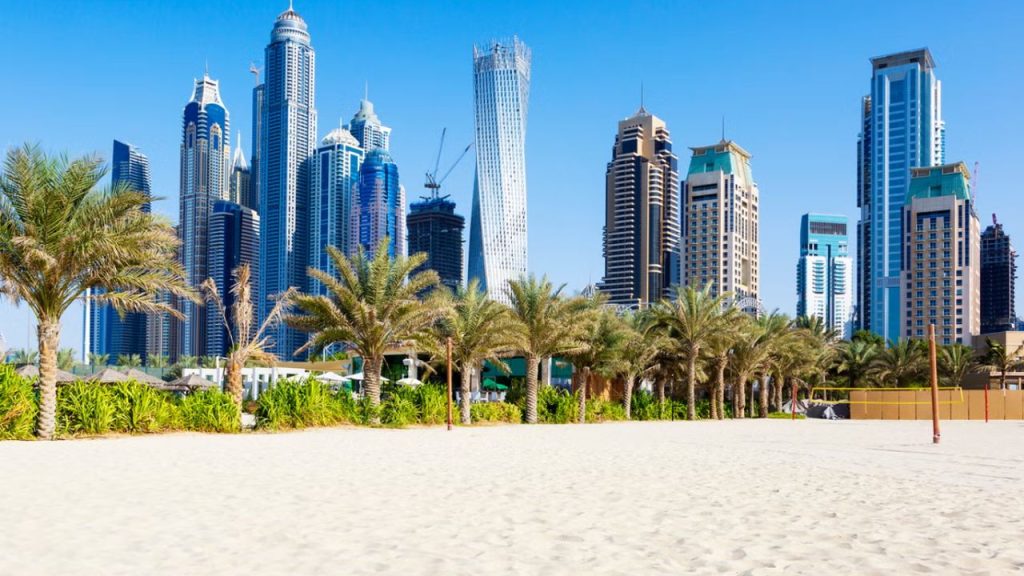
Many French-speaking investors find that combining renting and buying strategies works best. Renting initially allows them to familiarize themselves with Dubai’s neighborhoods, lifestyle, and rental demand, reducing the risk of poor investment choices. Later, purchasing property in areas with proven growth, like Downtown Dubai or Palm Jumeirah, ensures long-term capital appreciation and rental income. Tools like Valorisimo provide personalized simulations showing expected yields and cash flow, allowing investors to compare multiple scenarios. This approach builds confidence, minimizes risk, and empowers investors to make strategic decisions based on both real-world experience and data-driven insights. French-speaking investors have achieved rental yields of 7% in Dubai Marina or 15% capital gains in Palm Jumeirah. Some chose to rent first to test the market before purchasing.
Examples:
- A couple rented an apartment in Business Bay for two years before buying a duplex in Downtown Dubai.
- Investors used simulate your investment in Dubai to forecast real profitability before buying.
Why Choose Valorisimo for Your Dubai Project?
Valorisimo offers comprehensive, end-to-end support designed to secure your real estate investment in Dubai and maximize long-term returns. From the initial definition of your investment goals to property selection, legal coordination, and post-purchase follow-up, Valorisimo acts as a single, trusted partner throughout the entire process. This integrated approach reduces risks, saves time, and ensures that every decision is aligned with your financial objectives.
- End-to-end support: From defining your investment goals to property selection, legal coordination, and post-purchase follow-up, Valorisimo acts as a single trusted partner throughout the entire process.
- Risk reduction and time efficiency: The integrated approach ensures every decision aligns with your financial objectives while minimizing risks and saving time.
- Personalized investment analysis: Recommendations are tailored to your budget, risk tolerance, and expected returns.
- Advanced simulation tools: You can simulate your investment in Dubai with projections for rental yield, cash flow, and capital appreciation before committing.
- Data-driven decisions: Comparing multiple scenarios helps optimize capital allocation and improve profitability potential.
- Local market expertise: Access to deep knowledge of Dubai’s real estate market, trends, and investment opportunities.
- Curated developer selection: Only reliable and reputable developers and projects are recommended to ensure quality and long-term value.
- Legal and administrative guidance: Expert advisors assist with Dubai’s legal, tax, and regulatory framework, including visa procedures and documentation.
- Investment structure optimization: Strategic advice to maximize returns and protect your assets.
- Long-term investment strategy: Valorisimo helps you build not just a property portfolio but a secure and profitable investment plan for sustainable growth.
Valorisimo provides tailored support designed to match each investor with the most suitable property based on their profile, financial capacity, and long-term objectives. Whether your priority is high rental yield or capital appreciation, and whether you are considering an apartment or a villa, Valorisimo ensures that every recommendation aligns precisely with your investment strategy.
Book a Meeting with an Expert or Simulate Your Investment
Using the online tool, you can simulate your investment in Dubai and receive a precise profitability estimate tailored to your budget and objectives. Booking a meeting with an expert then allows you to finalize your strategy with confidence.
Frequently Asked Questions (FAQ)
What is the minimum budget to buy in Dubai?
The minimum budget depends on property type and area. For a 1-bedroom apartment in a mid-range area, prices start around AED 700,000.Villas or townhouses often require more than AED 2 million.
Can you rent a property with a tourist visa?
Yes, but only for short stays and with the owner’s consent. Long-term rentals require a residence visa.
What guarantees exist for foreign investors?
Dubai protects investors through the Dubai Land Department and standardized contracts. Reputable developers offer delivery and quality guarantees.
What is the tax on rental income in Dubai?
There is no tax on rental income for foreign investors—one of Dubai’s biggest advantages.
What mistakes should be avoided for a first investment in Dubai?
- Not checking the developer’s reputation
- Ignoring additional fees and service charges
- Relying only on tourism to estimate returns
Related Posts

Dubai Real Estate: Better Developer Deals During the Crisis?
Understanding the Dubai Real Estate Index 2026

Top Capital Appreciation Areas in Dubai 2026
Top Rental Yield Areas in Dubai 2026: Investment Guide
Property Payment Plans In Dubai And Abu Dhabi 2026

Golden Visa Dubai: Complete Guide for Investors in 2025
UAE Mortgage Guide: 2025.

Service Charges in Dubai & Abu Dhabi 2025.