The Complete Guide to the Medina, Marrakech
The Medina is the historic heart and soul of Marrakech, known for its ochre ramparts, maze of narrow streets, lively souks and hundred-year-old riads organized around secret patios. Listed as a UNESCO World Heritage Site since 1985, the old city extends over nearly 600 hectares and concentrates most of Marrakech’s monuments: Jemaa el-Fna square, the Koutoubia Mosque, the Bahia Palace, the Ben Youssef Madrasa and the Saadian Tombs. For investors, it is a niche, rare and highly demanded market, driven by international tourism and the appeal of guest houses. If you are considering a purchase, it is better to start with a data-based approach: simulate your investment to estimate your budget, your returns and your objectives. Do you want to compare the different sectors of the city before investing? You can also explore properties for sale in Marrakech to discover the available opportunities according to your budget and investment strategy.
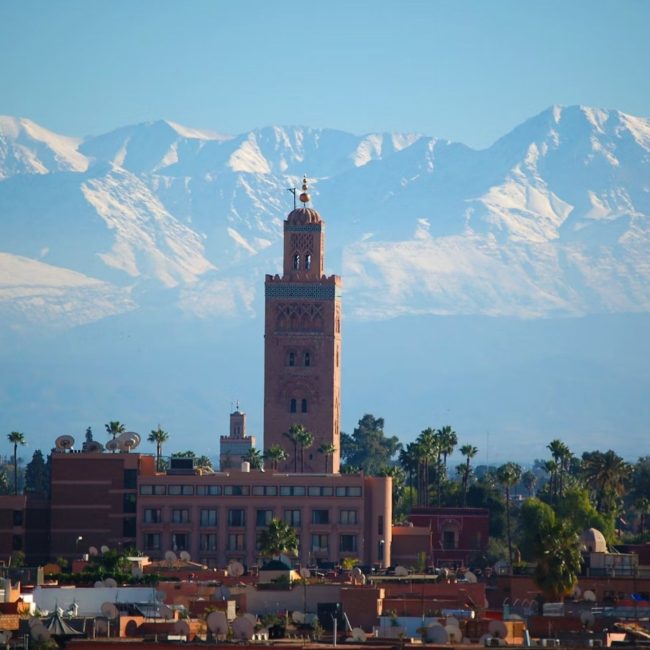
Welcome to the Medina of Marrakech
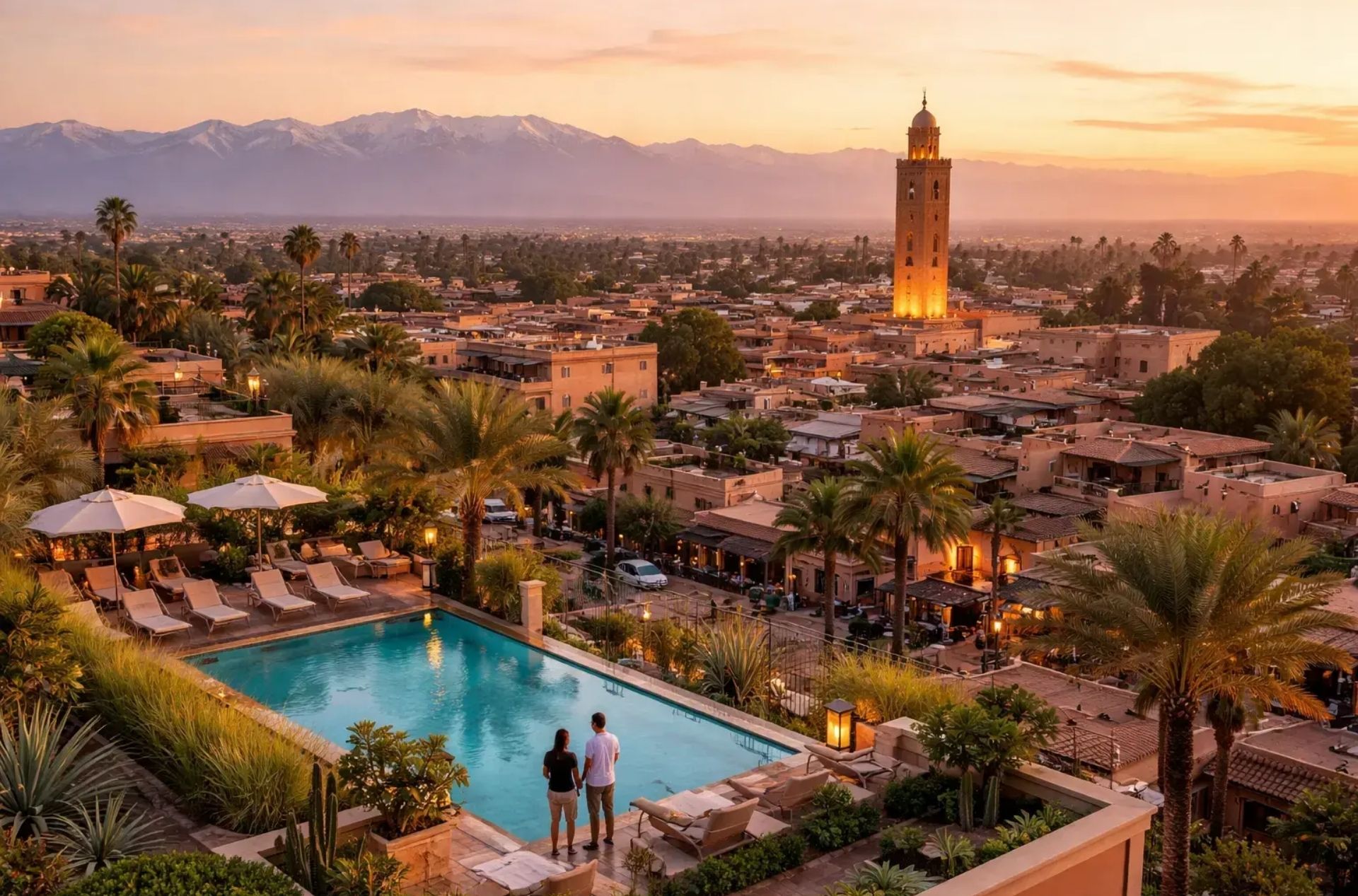
The Medina is the most emblematic district of Marrakech, Morocco, the historic heart of the city and one of the most visited heritage sites in the Kingdom. Enclosed by 12th-century ramparts and organized in a maze of derbs, narrow streets, and themed quarters, the old city offers a unique living experience, between craftsmanship, heritage and Moroccan art de vivre. Highly sought after by an international clientele, the Medina benefits from sustained rental demand, driven especially by tourism and guest houses. Souks, monuments, hammams, riads, lively squares and restaurants create a dense environment where history is lived every day. To compare districts, price levels and rental returns in Marrakech, you can also understand riad prices in Marrakech.
A historic heart listed by UNESCO
The Medina offers a rare experience in Marrakech: an almost thousand-year-old ancient city, alive and inhabited, where traditional buildings, riads, douirias and palaces, are discovered behind discreet façades. Founded in the 11th century and enriched by the Almoravid, Almohad and Saadian dynasties, the old city has been listed as a UNESCO World Heritage Site since 1985, just like the cultural space of Jemaa el-Fna square, recognized as intangible cultural heritage. The atmosphere combines authenticity, commercial energy and centuries-old traditions. This combination of “heritage + rarity + tourist demand” makes the Medina a unique district, sought after by architecture lovers and investors.
- Prestigious historic heart: a UNESCO-listed site, enclosed by ramparts and monumental gates
- The riad, an iconic property: a traditional house organized around a central patio, from the small douiria to the large palace, dar
- Districts with strong personality: Mouassine, Dar El Bacha, Riad Zitoun, Kennaria, Bab Doukkala, Kasbah, Mellah, Sidi Mimoun, each with its own atmosphere and price positioning
- Strong rental attractiveness: proximity to Jemaa el-Fna and the souks supports high occupancy rates in seasonal rental
- Access as a decisive criterion: a property close to a square or a street accessible by car is more sought after and easier to operate than a riad at the end of a narrow derb
Why is the Medina of Marrakech a must-visit destination?
The Medina is essential because it brings together heritage, culture, craftsmanship and art de vivre in one district. It is the tourist lung of Marrakech, animated from morning until late at night, where the rhythm of the souks and squares never completely stops. If you are looking for a more modern and urban environment, you can also discover the Guéliz district, known for its contemporary residences, shops and cosmopolitan life. Its central position and classified status make it a unique district, with no real equivalent elsewhere in the city. For a real estate project, this constant international demand is a major asset, especially for guest house projects or short-term rental.
- Authentic lifestyle: souks, hammams, riads, lively squares and monuments on every street corner
- “Heritage” district: highly appreciated by architecture lovers, culture enthusiasts and an international clientele
- Strong tourist attractiveness: more than one million visitors per year for Jemaa el-Fna square alone
- Rarity market: the supply of riads is limited and not correlated with the rest of the market, which supports value over time
To frame your overall strategy, rely on a structured approach before investing.
What to do in the Medina of Marrakech?
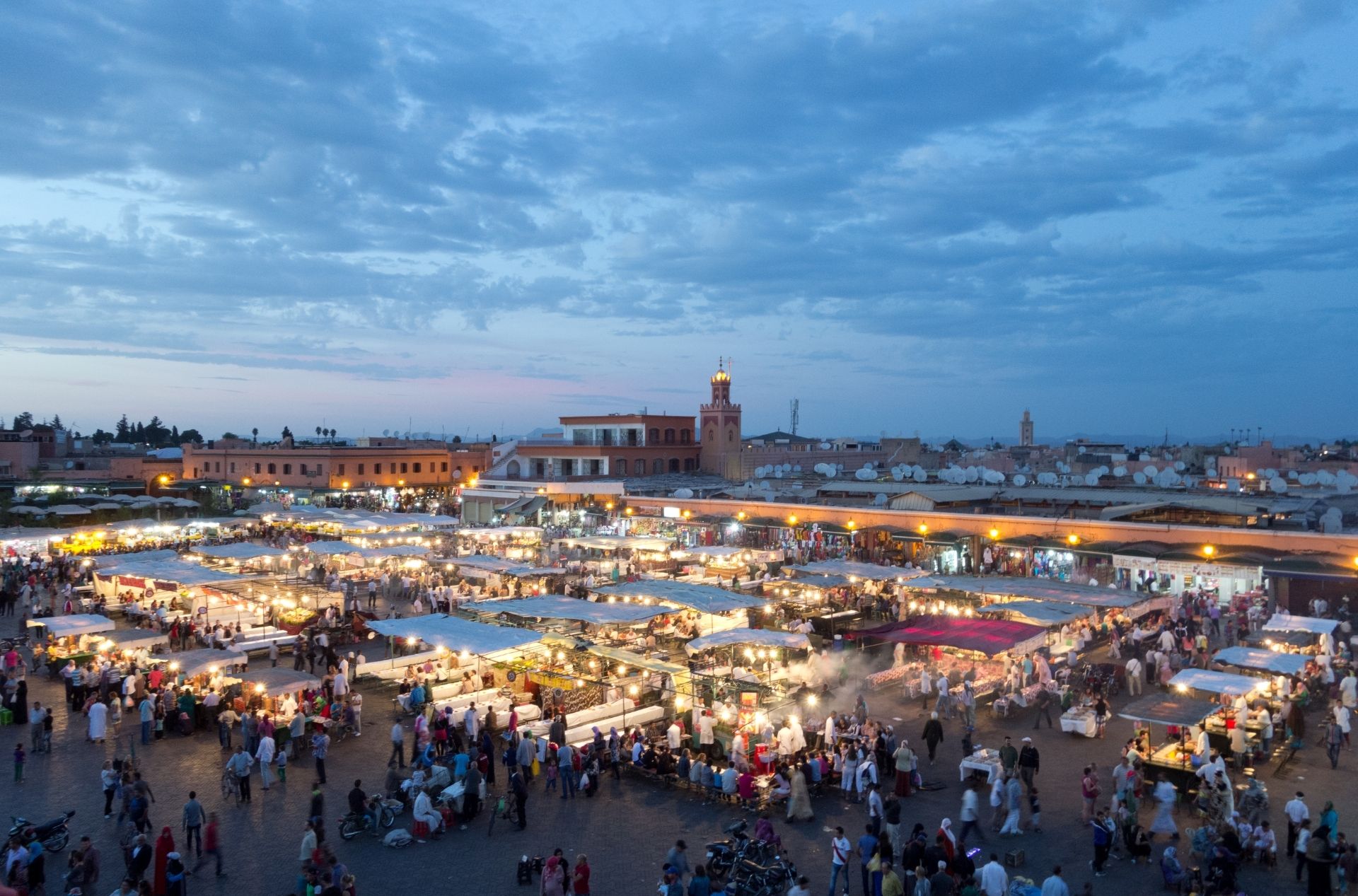
When looking for things to do in the Medina, people immediately think of Jemaa el-Fna square, the souks, monuments and panoramic terraces. But the district offers much more than a setting: living craftsmanship, street food, traditional hammams, museums installed in former palaces. This density makes the Medina an intense district at all hours of the day. One of its striking features is its organization: a maze of derbs where the souks are divided by artisanal specializations, and where each district has its own identity. For visitors as well as residents, this means a daily life where everything, shops, workshops and cultural places, is done on foot, in a dense and pedestrian area.
Restaurants, souks and street food
The Medina offers a culinary experience deeply rooted in tradition, while also opening up to contemporary concepts. In the evening, Jemaa el-Fna square turns into a huge open-air restaurant, with dozens of food stalls and local specialties. All around, riad restaurants, gourmet tables hidden in former palaces and terrace cafés offer unbeatable views over the animation. The souks, organized by craft trades, spices, leather, ironwork, fabrics and slippers, are themselves an experience in their own right. New concepts open regularly, allowing the district to combine authenticity and renewal.
Monuments, museums and heritage
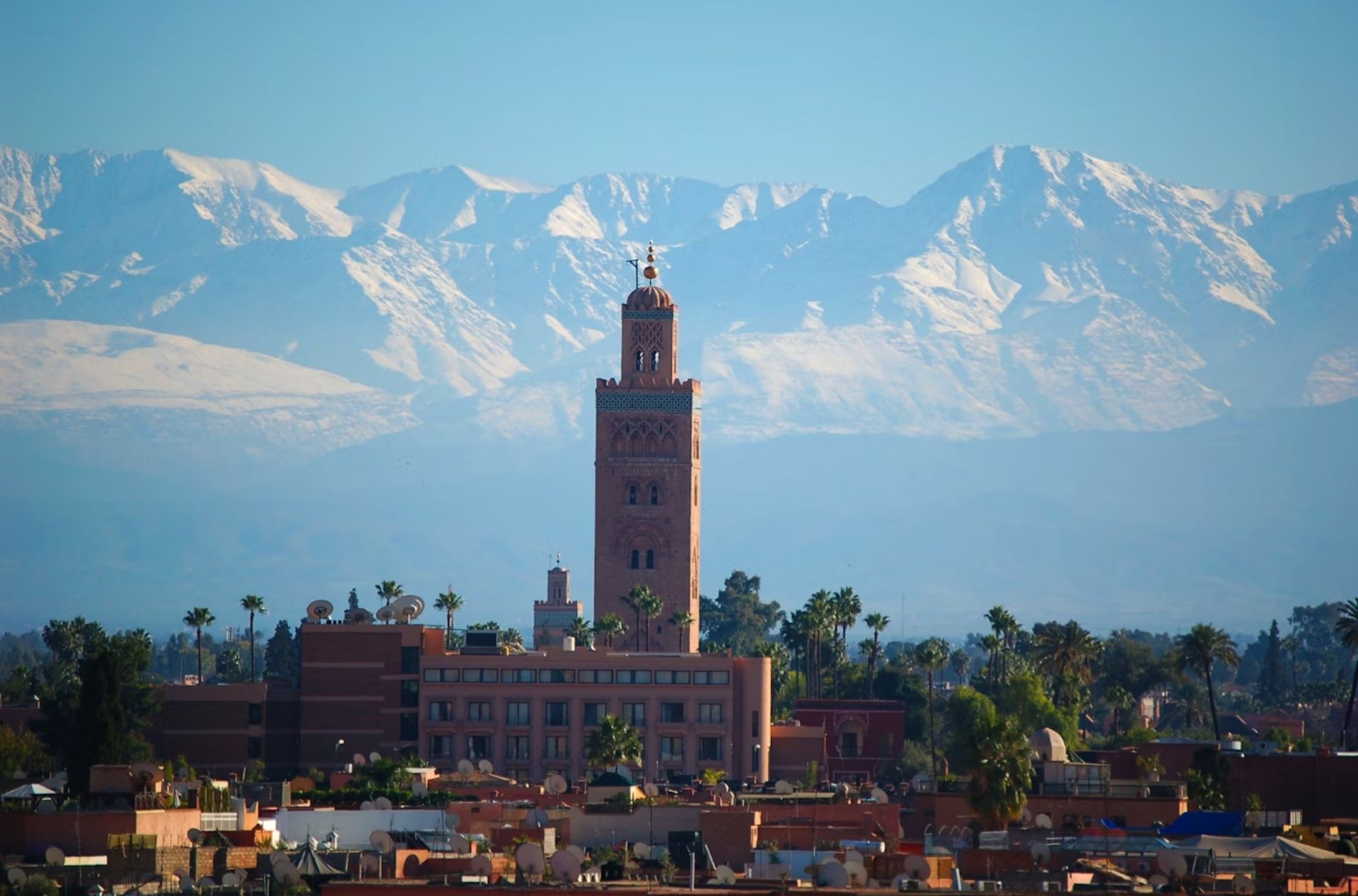
The Medina concentrates most of Marrakech’s heritage. The Koutoubia Mosque and its Almohad minaret dominate the city. The Bahia Palace unfolds its eight hectares of courtyards and gardens. The Ben Youssef Madrasa reflects Moroccan decorative art. The Saadian Tombs and the ruins of El Badi Palace recall the golden age of the Saadian dynasty. Many riads have been transformed into museums or gardens open to visitors, such as Le Jardin Secret in the Mouassine district. This heritage density strengthens the appeal of the district and makes it a unique place of discovery in Morocco.
Hammams, atmosphere and neighborhood life
The Medina follows a particular rhythm, which changes radically between day and night. During the day, commercial and artisanal activity is at its peak. In the evening, the squares come alive with shows, music and street food. The district has many traditional hammams and relaxation places hidden in the old urban fabric. Some areas, such as Kasbah, Mellah or Sidi Mimoun, offer a calmer and more residential atmosphere, away from the most tourist-heavy flows. For investors, this diversity of atmospheres allows different strategies to be targeted according to the district.
Living in the Medina of Marrakech
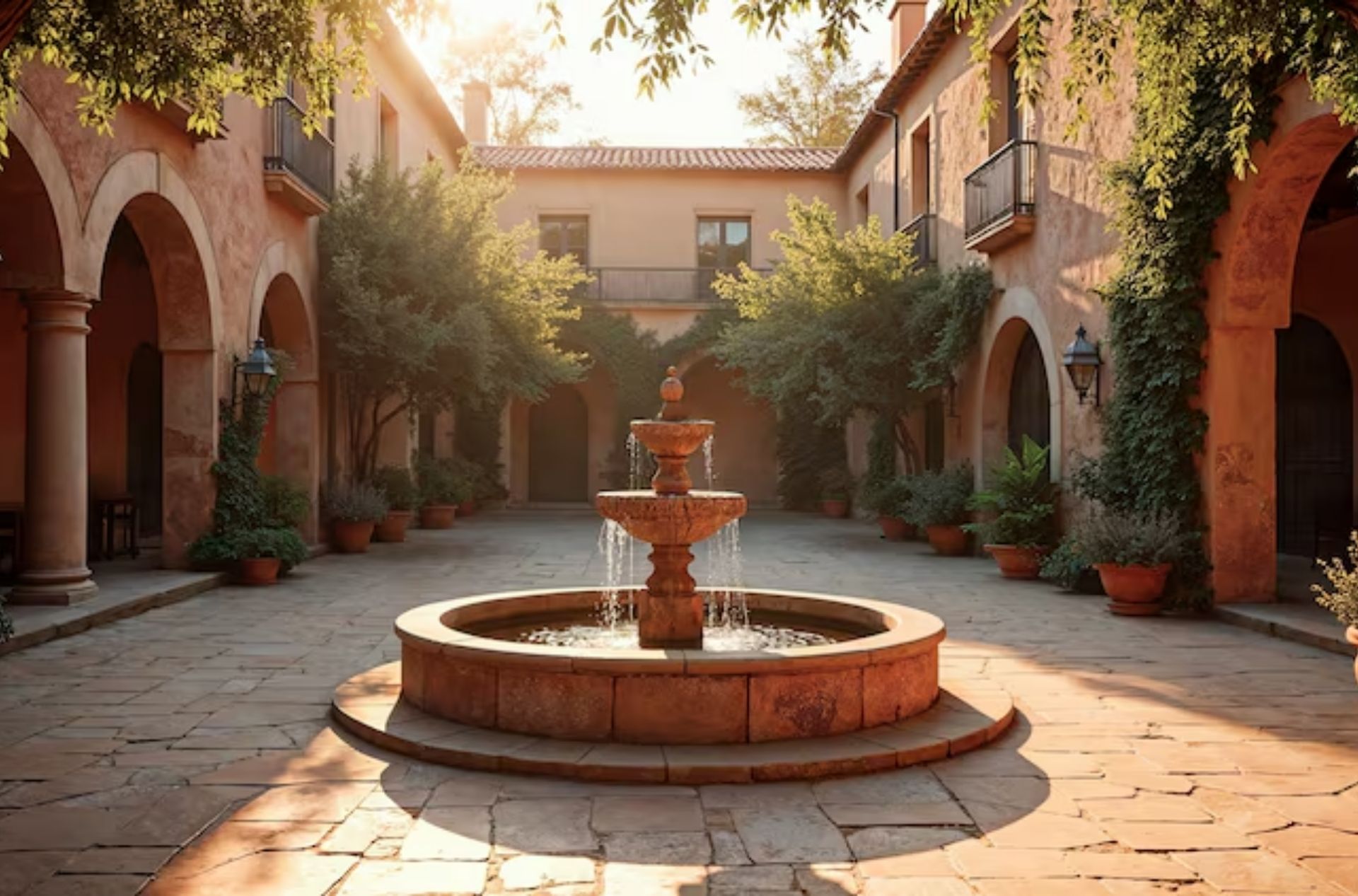
Living in the Medina means choosing a daily life immersed in Moroccan heritage and art de vivre. The district offers a dense and pedestrian environment: local shops, artisans, hammams, squares and monuments just a few steps away. Residents looking for a more premium and hotel-oriented setting can also explore Hivernage, a district known for its high-end residences and luxury hotels. This authenticity, combined with the unexpected calm found once you cross the threshold of a riad, creates a singular living environment. In real estate, this “heritage experience” is a direct driver of demand, especially among an international clientele looking for a property with character. However, everything must take into account the specific features of the district: sometimes narrow access, technical renovation of old buildings, and the importance of location compared with streets accessible by car.
Schools nearby
The Medina is a central district that gives access to several schools, in the old city and in neighboring districts such as Guéliz. Families settled in Marrakech generally favor connectivity and reasonable travel times. From the Medina, access to schools in modern districts can be done in a few minutes through the gates accessible by car. The old city is particularly suitable for profiles looking for a heritage lifestyle, with the possibility of sending children to school in neighboring areas. This accessibility also opens the way to more stable long-term rentals among established profiles.
- Schools in the French network: Marrakech has schools approved by the French National Education system, in modern districts accessible from the Medina.
- International schools: several establishments offer English-language curricula or international programs nearby.
- Moroccan public and private schools: the Medina itself has several nearby schools and colleges.
- Bilingual school groups: accessible in neighboring sectors, for French-speaking families.
Healthcare facilities nearby
Residents of the Medina benefit from access to healthcare structures located in the old city and, above all, in nearby modern districts where clinics and medical centers are concentrated. This factor is important for expatriates and second-home owners seeking safety and comfort. Access is done on foot to gates accessible by car, then within a few minutes by car or taxi to the clinics of Guéliz and Hivernage. In real estate, this type of “functional” advantage contributes to demand stability and the overall attractiveness of properties.
- Private clinics and polyclinics: mainly in nearby modern districts
- Medical offices and dispensaries: present in the Medina and at its gates
- Pharmacies: numerous, accessible on foot in the old city
Transport and access
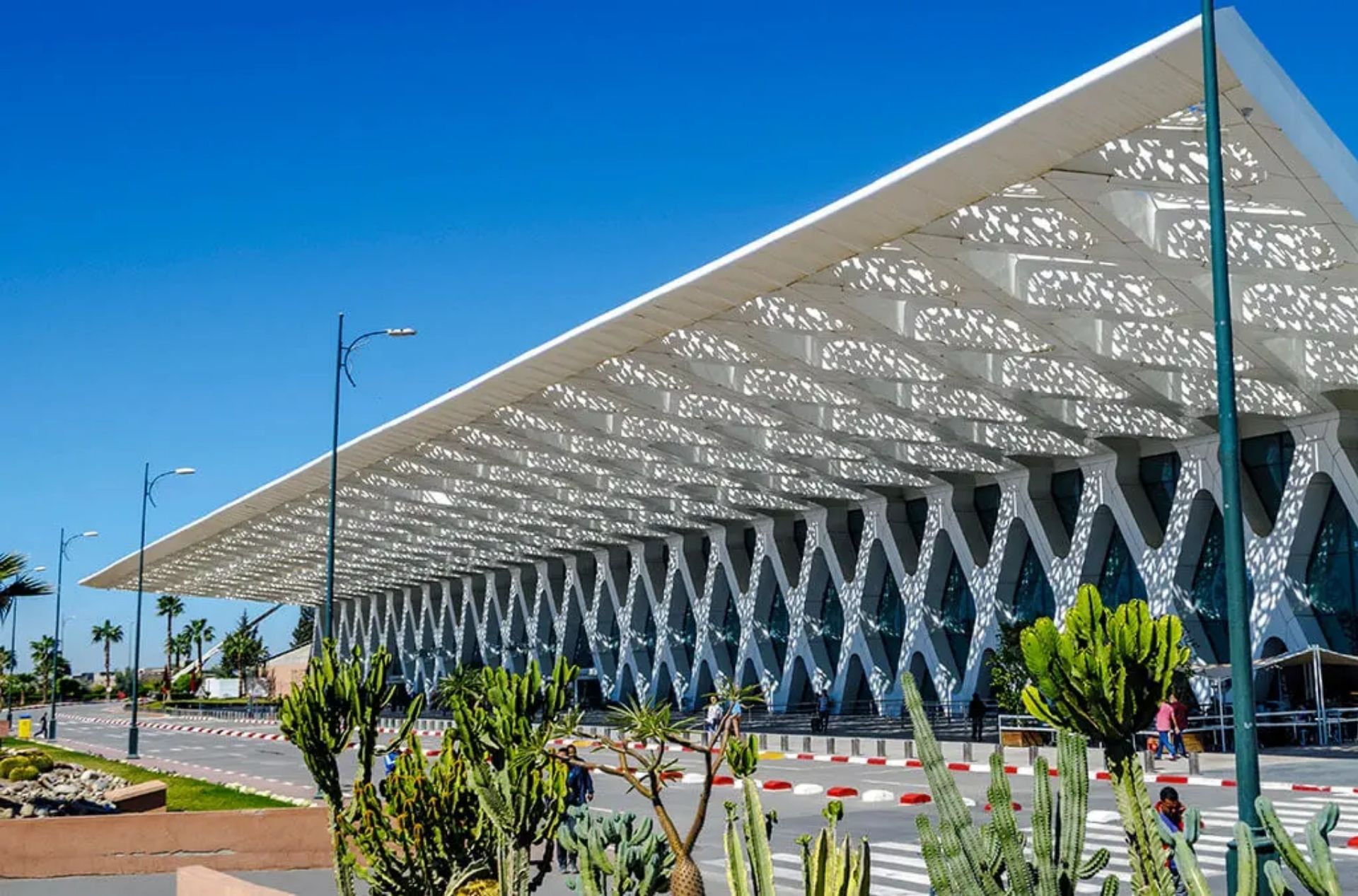
The Medina has a particular accessibility that must be understood before any purchase. The old city is mainly pedestrian: inside, people move around on foot, by bicycle or on two wheels, and streets accessible by car are rare. Several monumental gates, Bab Doukkala, Bab Agnaou and others, connect it to the modern city, and some districts such as Sidi Mimoun or the edges of Jemaa el-Fna form transport nodes with buses and taxis. Marrakech-Menara International Airport is only a few kilometers away. For an investor, car access to a property is a major criterion: it facilitates operation, renovation and rental attractiveness.
Why invest in the Medina of Marrakech?
The Medina remains a reference market for investors, thanks to its heritage image, rarity and sustained international demand. The district continuously attracts a varied clientele: heritage lovers, guest house project owners and a new generation of remote workers looking for a unique lifestyle. To understand the administrative, tax and legal procedures linked to a real estate investment in Morocco, consult our guide: buying a riad in Morocco. This diversity, combined with limited supply, supports value over time. However, as with any real estate market, investment success depends largely on the choice of the property. Several criteria are decisive: the district, access, whether on a street accessible by car or in a narrow derb, the condition, renovated or to be renovated, the surface area, the presence of a land title and operating authorizations. Two neighboring riads can show very different performances. To estimate your returns realistically, compare several scenarios.
A market highly sought after by international investors
The Medina is one of the most sought-after markets among foreign buyers looking for a rare asset and a project with a strong identity. Before finalizing your acquisition, it is also recommended to understand notary fees in Morocco as well as the additional costs linked to buying a riad or guest house. This demand creates a dynamic market, especially for riads renovated according to international comfort standards. The word “riad” itself is also a marketing asset: it rents and sells on global demand. Good news for foreign buyers: buying a riad is done without any particular restriction, before a notary, with verification of the land title. To structure your approach, rely on a complete analysis framework.
- Solid demand: heritage lovers + guest house projects + remote workers
- Rarity market: limited supply, not correlated with the rest of the market
- Purchase open to foreigners, without any particular restriction
- Resale supported by constant international demand
Tip: always compare 2 to 3 districts of the Medina before making a decision.
Riads, douirias and palaces: properties with character
In the Medina, the value of a property depends strongly on its type and location. The classic riad, organized around a tree-filled patio, remains the iconic property. The douiria, smaller, is ideal for a first investment or a pied-à-terre. The dar, palace, with monumental volumes, represents the exceptional property. The most expensive districts, Mouassine and Dar El Bacha, maintain prices per m² that are high, while Kasbah and Mellah offer a better quality-price ratio. If you are looking for concrete options, directly explore riads for sale in Marrakech and compare property types.
- The district and type of property create the premium: demand + return + resale
- Renovated riad = immediate comfort but higher price
- Riad to renovate = better purchase price, but renovation budget to plan
- Check the land title and, for a commercial project, operating authorizations
- Priority: car access, building condition and renovation quality
High-yield rental opportunities
The Medina can offer high returns, especially for guest houses and seasonal rental, but performance depends strongly on the purchase price, district and strategy. Tourist districts close to Jemaa el-Fna maximize occupancy rates, while quieter areas target a clientele looking for discretion. To estimate a “net” return, charges, management, concierge services and vacancy periods must be considered.
- Return varies according to district, access, condition and strategy
- Guest house = high potential but demanding management and authorizations
- Seasonal rental near Jemaa el-Fna = strong occupancy
- Net return = rents minus charges minus management minus concierge minus vacancy
- Use a simulator: simulate your investment
Price evolution in the Medina of Marrakech
The Medina of Marrakech, listed by UNESCO, is a niche real estate market that does not follow classic logic: it is a rarity market, where the supply of riads is limited. To compare prices between the Medina, Guéliz, Hivernage or La Palmeraie, you can also understand real estate prices in Marrakech. Between ramparts, souks and monuments, every property is unique. It is also a highly sought-after sector among international buyers, strengthening its momentum. In this context, the choice of property becomes decisive: district, access, condition and land title. Depending on their objectives, some investors also compare the Medina with other segments such as villas around Marrakech or apartments in Guéliz.
Real estate prices in 2020
- Small riads and douirias to renovate: from around 1.2 to 1.8 million DH
- Medium-sized riads, renovated and well located: on average between 2.5 and 5 million DH
- Prestige riads, tourist districts and large surfaces: from around 6 million DH
- Average price per m²: around 8,000 to 25,000 DH depending on the district, access and condition
Real estate prices in 2026
- Small riads and douirias to renovate: from around 1.8 to 2.5 million DH
- Medium-sized riads, renovated and well located: on average between 4 and 8 million DH
- Prestige riads, Mouassine, Dar El Bacha and large surfaces: from 7 to 12 million DH, and beyond 20 million DH for properties with a guest house license
- Average price per m²: around 10,000 to 40,000 DH, depending on the district, access, condition and services
Investor overview: there is no truly reliable single “average price” in the Medina, as differences are significant between a riad to renovate in the Kasbah and a renovated property by an architect in Mouassine. As an indication, several market sources place the m² between 10,000 and 40,000 DH, and the overall transaction range between around 1.8 and 12 million DH, with exceptional properties exceeding 20 million DH. Rental overview: well-located guest houses already authorized show the best returns. Some sources mention yields around 12% for well-managed short-term rental projects. Also note the works budget for a riad to renovate, often estimated between 3,000 and 7,000 DH/m² depending on the level of finish.
Upcoming projects in the Medina
Future projects in the Medina do not mean “new constructions”: the building stock is protected and Jemaa el-Fna square has long benefited from a non-construction easement. The evolution of the old city mainly involves rehabilitation and modernization of services. Urban renovation, pedestrianization and digitalization programs are gradually transforming the Medina into a better-equipped historic center, especially with the expansion of fiber optic coverage in the derbs. These developments support the district’s attractiveness and, as a result, the value of existing buildings. To secure a purchase in this context, it is essential to surround yourself with experienced professionals, expert agents, notaries and specialists in historic renovation.
Rehabilitation of old buildings
The underlying trend is qualitative renovation: riads are restored according to international comfort standards, and growing demand is observed for “eco-riads”, with natural insulation and hybrid solar systems. These renovations strengthen the district’s image and the value of properties, but they require a demanding technical expertise. Buyers now favor sound properties, well located and with practical access. In the long term, the most positive effect comes from renovations that respect the authenticity of the building while adding modern comfort.
- Qualitative renovation = stronger image and sustained value
- Priority: sound building + access + restoration quality
- Eco-riad trend: natural insulation, hybrid solar
- Support from historic renovation specialists is decisive
Modernization of services and connectivity
Accessibility to services is a driver of property value, even in a historic district. The expansion of fiber optic coverage, digitalization of urban services and pedestrianization projects make the Medina more practical to live in while preserving its character. These improvements attract a new clientele, especially remote workers who want to set up their office in a riad. Even if some projects concern the whole of Marrakech, they directly benefit the historic center.
- Connectivity, fiber, = new asset for residential rental demand
- Digitalization of services = increased comfort without distorting the district
- Attracts remote workers and an international clientele
- Supports the long-term value of heritage buildings
- Good reference point for comparing the Medina with modern districts
Tourist and cultural momentum
Marrakech is strengthening its position as a major tourist destination, and the Medina is its heart. The old city will host first-class cultural events, including the Marrakech International Film Festival, and the opening of new riad-hotels, museums and charming addresses maintains its attractiveness. These new features enrich the district experience and support tourist rental segments. In a heritage district, this cultural momentum is a real value driver.
- New charming addresses = increased desirability
- Strengthens the heritage and cultural image of the district
- International events = visibility and footfall
- Supports demand in guest houses and seasonal rental
- The right property, well located and well renovated, captures this momentum
Are you looking for a riad in Marrakech?
Whether you are looking for a riad to renovate, a turnkey guest house or a heritage investment in the old city, our team supports you in your real estate project in Marrakech.
Frequently asked questions (FAQ) - Medina
What types of real estate properties can be found in the Medina?
The Medina primarily offers traditional residences, including the classic riad built around a landscaped central courtyard, the douiriat (a smaller property type, ideal for a first-time purchase), and the dar or palace, known for its grand proportions and impressive architecture. The most sought-after properties are distinguished by their neighborhood, accessibility, renovation quality, and the presence of a registered land title.
What is the average price of a property in the Medina?
There is no single reliable “average price” in the Medina, as property values vary significantly depending on the neighborhood, accessibility, condition, and size of the property. Market estimates generally place prices between MAD 10,000 and MAD 40,000 per square meter, with overall transaction values ranging from approximately MAD 1.8 million to MAD 12 million. Exceptional properties can exceed MAD 20 million.
Can a foreigner buy a riad in the Medina?
Yes, there are no specific restrictions on purchasing property. The transaction is completed before a notary, with verification of the land title and standard registration procedures. Buyers should budget approximately 8% to 10% in additional costs, including notary fees, registration taxes, land registry charges, and professional fees. It is highly recommended to work with experienced professionals, particularly for renovation projects or the development of a guesthouse.