
UAE Targets Money Laundering in Real Estate with New Regulations
The shared cab service in Dubai and Abu Dhabi is transforming urban transport with a sustainable, cost-efficient, and tech-enabled alternative to traditional taxis. As part of the UAE’s smart mobility strategy, this service helps reduce traffic congestion, lower carbon emissions, and promote a more inclusive commuting experience.
Backed by government support and operated under the guidance of the Roads and Transport Authority (RTA) in Dubai and the Integrated Transport Centre (ITC) in Abu Dhabi, shared cab services are quickly becoming a key part of the UAE’s public transport ecosystem.

Why Money Laundering is a Concern in UAE Real Estate
The UAE real estate market has attracted global investors due to luxury properties, tax advantages, and strong infrastructure. While this boosts the sector, it also creates vulnerabilities for money laundering. High-value transactions, cross-border investments, and complex ownership structures can obscure the origin of funds. Historically, gaps in KYC checks and reporting allowed illicit activities to occur. Recognizing these risks, authorities have introduced stricter anti-money-laundering regulations, enhanced due diligence, and reporting requirements, improving transparency and aligning the market with international standards to protect legitimate investors and maintain the UAE’s reputation as a secure investment hub.
Attractive Investment Environment
The UAE offers freehold ownership in key areas, investor-linked long-term visas, and a tax-friendly environment, attracting buyers from around the world. Large inflows of foreign capital, combined with offshore companies or nominee arrangements, can obscure true ownership, creating vulnerabilities. The luxury property segment, with high demand and fast transactions, historically allowed illicit funds to enter the market. Recent reforms, including stricter KYC protocols and enhanced due diligence for brokers and developers, help monitor fund sources more effectively, reduce risk, and ensure that property investment remains a legitimate and transparent avenue for domestic and international investors.
High-Value Transactions
Property transactions in the UAE often involve millions of dollars, particularly in luxury villas and branded residences. High-value deals provide opportunities for illicit funds to be integrated into legitimate assets. Complex structures like corporate ownership, offshore companies, and cross-border payments can hide fund origins. Rapid property resale, or “flipping,” can create the appearance of legitimate profits. Cash transactions and layered payments historically made monitoring harder. Current regulations mandate beneficial ownership disclosure, thorough verification, and mandatory reporting of suspicious activity. While the risk remains, these measures help secure the real estate sector and maintain investor confidence.
Lack of Transparency
Historically, limited disclosure of beneficial ownership and inconsistent KYC checks allowed money laundering to occur in real estate. Brokers and developers were not always under strict AML regulations, creating gaps. Cross-border investments further complicated oversight. Regulatory reforms now enforce stricter KYC requirements, reporting of suspicious transactions, and beneficial ownership registries. These measures improve transparency, accountability, and investor confidence while reducing the risk of illicit funds entering the market. The sector is increasingly aligned with international AML standards, making real estate transactions safer and ensuring the UAE remains a trusted global investment destination.
Evolving Regulatory Measures
UAE authorities have strengthened AML regulations for real estate, requiring enhanced due diligence, ownership verification, and reporting by brokers and developers. Digital transaction monitoring and international cooperation improve oversight of high-value deals. These measures close historical loopholes, reduce money laundering risk, and protect legitimate investors. The regulations also reinforce the UAE’s reputation as a transparent and secure market for property investment. While risks still exist, continuous compliance improvements ensure that real estate remains a safe and reliable channel for legitimate investors, supporting sustainable growth in the sector.
Key Regulatory Changes Targeting Money Laundering
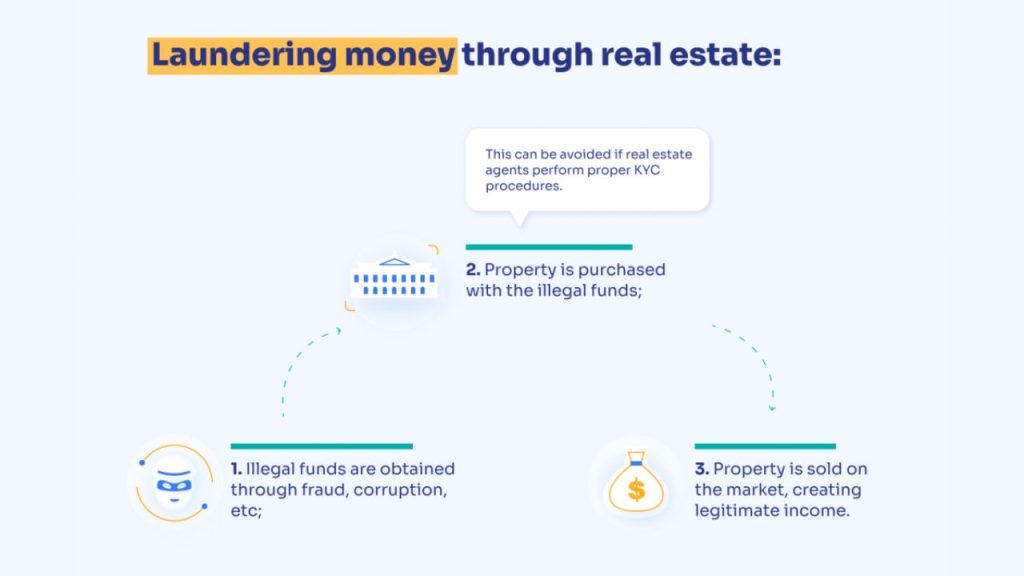
The UAE has implemented significant regulatory reforms to curb money laundering in the real estate sector. These changes focus on enhanced due diligence, requiring real estate professionals to verify clients’ identities, sources of funds, and ownership details before completing transactions. Mandatory record-keeping ensures all deals are traceable, while suspicious transactions must be reported promptly to authorities. Additionally, ongoing staff training on anti-money laundering (AML) compliance is now compulsory. By enforcing stricter monitoring and transparency measures, the regulations aim to protect the integrity of the market, prevent illicit financial activity, and align UAE property practices with international AML standards.
Enhanced Due Diligence (EDD) Requirements
The UAE has strengthened due diligence obligations for real estate brokers, developers, and agencies. Now, firms must conduct deeper background checks on all clients, ensuring full compliance with international anti-money laundering standards. Key requirements include mandatory identity verification against global sanctions and watchlists, submission of proof of source of funds and wealth, and risk-based customer profiling for high-value transactions. In addition, continuous monitoring throughout the transaction lifecycle ensures any suspicious activity is detected early. These measures align the UAE’s property market with Financial Action Task Force (FATF) standards, creating a safer and more transparent environment for both investors and regulators.
Stronger AML Reporting Obligations
Real estate professionals are now officially classified as “Designated Non-Financial Businesses and Professions” (DNFBPs). This means they are legally required to comply with AML reporting obligations similar to those imposed on banks. Professionals must file Suspicious Activity Reports (SARs) whenever risks are detected, maintain detailed transaction records for audits, and immediately report unusual payment patterns or excessive cash usage. Failure to comply can result in substantial penalties, emphasizing the need for accountability and vigilance in the property sector.
Transparency in Property Ownership
One of the most impactful reforms focuses on ownership disclosure. Developers and authorities must now identify Ultimate Beneficial Owners (UBOs) for all property transactions, maintain real-time digital property registration data, and ensure clear ownership trails for corporate buyers. The government also facilitates data-sharing across regulatory authorities. These steps reduce anonymity in property deals, prevent illicit investment, and enhance confidence among legitimate investors by providing a clear, traceable ownership structure.
Stricter Compliance for Developers and Brokers
Developers and brokerage firms must adopt comprehensive compliance frameworks. This includes appointing dedicated AML compliance officers, implementing staff training and certification programs, conducting internal risk assessments, and submitting to periodic financial audits and regulatory inspections. Additionally, technological solutions like digital KYC tools and blockchain-based property registries are being increasingly adopted to streamline verification, enhance transparency, and reduce risks of fraud or money laundering. These reforms collectively strengthen governance and accountability across the UAE real estate ecosystem.
Impact on the UAE Real Estate Market
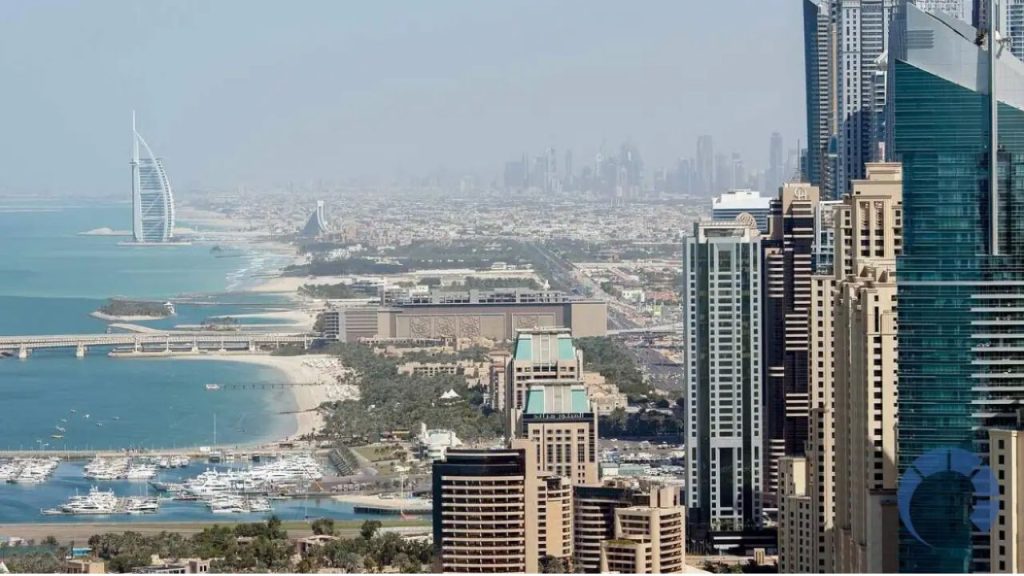
The UAE has introduced stringent regulations to combat money laundering in the real estate sector, ensuring greater transparency and accountability. Key changes include mandatory enhanced due diligence for high-value transactions, requiring verification of clients’ identities, source of funds, and ownership structures. Real estate professionals must now maintain detailed records of all transactions and report any suspicious activity to regulatory authorities. Stricter compliance measures also mandate regular staff training on anti-money laundering (AML) practices. These updates aim to safeguard the market’s integrity, protect investors, and align the UAE with international financial standards, fostering a safer investment environment.
Increased Global Investor Confidence
The introduction of stronger anti-money laundering regulations has significantly enhanced the UAE’s reputation as a secure and transparent investment destination. International investors now view the market with greater trust, knowing that rigorous checks and reporting standards are in place. Key benefits include stronger confidence from institutional investors, more stable and predictable capital inflows, and reduced reputational risks for both developers and buyers. Transparency and accountability have become competitive advantages rather than operational hurdles, positioning the UAE as a market that balances growth with integrity. These changes help attract high-quality, long-term investors who are increasingly prioritizing compliance and risk mitigation in their investment decisions, contributing to sustainable market growth over time.
Higher Compliance Costs for Industry Players
While the new regulations strengthen investor trust, they also impose additional operational and financial responsibilities on developers, brokers, and agencies. Firms must invest in advanced technology platforms for digital KYC and blockchain-based registries, hire dedicated compliance personnel, implement staff training and certification programs, and establish robust reporting systems. Although these measures increase operational costs, industry experts consider them necessary to maintain global credibility and ensure the market meets international standards. In the long term, these investments create more resilient organizations capable of navigating regulatory scrutiny and mitigating potential risks associated with money laundering and fraudulent transactions.
Smoother Transactions for Legitimate Investors
For compliant buyers, the regulatory reforms translate into faster, safer, and more efficient property transactions. Verification timelines are streamlined, fraud risks are significantly reduced, and ownership documentation is clearer and more reliable. Legal protections have also been strengthened, giving investors confidence that their transactions are fully safeguarded. Ultimately, genuine investors benefit from a smoother experience, with greater assurance that the properties they acquire are legally sound and free from hidden financial or regulatory complications. These improvements create a win-win scenario: stronger compliance for the industry while enabling secure, transparent, and efficient investments.
The Role of Real Estate Professionals in Complying with New Regulations
Real estate agents, brokers, and developers play a crucial role in ensuring that the UAE’s property sector remains compliant with new anti-money laundering (AML) regulations. Their proactive engagement is key to creating a safer, more transparent, and investor-friendly market.
1. Educating Staff on AML Practices
Every employee involved in property transactions must undergo mandatory AML training. This equips staff with the skills to recognize suspicious activities, assess risks effectively, and follow proper reporting procedures. By building AML awareness at all levels, real estate professionals can prevent potential breaches and strengthen organizational compliance culture.
2. Implementing Robust Monitoring Systems
Modern real estate businesses must invest in advanced monitoring platforms capable of detecting unusual or high-risk transactions. These systems track the source of funds, ownership structures, and the parties involved in each deal, ensuring that all activities are visible and auditable. Real-time tracking and risk profiling help firms respond quickly to potential threats.
3. Regularly Reporting Suspicious Activity
Proactive reporting is essential. Professionals must file Suspicious Activity Reports (SARs) whenever anomalies are detected and comply with all AML reporting obligations. Prompt reporting not only meets regulatory expectations but also helps safeguard the wider market against fraudulent or illicit transactions.
4. Adapting to Technological Advancements
Compliance today relies heavily on technology. Solutions such as digital KYC platforms and blockchain-based property registries provide secure, transparent, and tamper-proof records of ownership. By embracing these innovations, real estate firms can streamline due diligence, improve efficiency, and ensure accurate, verifiable reporting.
Moreover, by fostering transparency, the UAE strengthens its reputation as a regulated and trustworthy financial hub, differentiating itself in a competitive global property market. Investors can engage with confidence, knowing that ownership structures are clear, due diligence is rigorous, and transactions are fully protected. This forward-looking approach ensures that the UAE real estate sector remains resilient, competitive, and attractive for years to come.
How Valorisimo Can Help Investors Navigate These Changes
Navigating evolving regulations can be complex, especially for international buyers unfamiliar with compliance requirements. Platforms like Valorisimo help investors analyze opportunities, compare projects, and make informed property decisions with greater confidence.
Whether you are buying your first property in the UAE or expanding your portfolio, working with data-driven insights and compliant developers is now more important than ever.
Ready to explore secure UAE investment opportunities?
Connect with Valorisimo today to discover verified projects and expert guidance tailored to your investment goals.
By complying with these new regulations, real estate professionals will help build trust among international investors and ensure the long-term growth of the UAE’s property market. For investors looking for safe and legitimate opportunities, the UAE real estate market is now more reliable than ever.
If you are looking to invest in real estate in the UAE or want to ensure your real estate business complies with the new regulations, Valorisimo is here to help. Contact us today for more information on how we can assist you in navigating these changes and seizing the best opportunities in the UAE real estate market.
Frequently Asked Questions (FAQ)
What prompted the UAE to introduce these AML regulations?
The UAE real estate market has attracted significant international investment, which also made it vulnerable to money laundering. The regulations aim to increase transparency, safeguard investors, and align with international financial standards.
Who must comply with these regulations?
All real estate professionals, including agents, brokers, developers, and related service providers, are required to comply.
What is the duration and follow-up of the treaty?
Enhanced due diligence, identity verification, source of funds checks, transaction monitoring, and mandatory staff training.
Related Posts

Top Capital Appreciation Areas in Dubai 2026

Top Rental Yield Areas in Dubai 2026: Investment Guide

Property Payment Plans In Dubai And Abu Dhabi 2026

Golden Visa Dubai: Complete Guide for Investors in 2025

UAE Mortgage Guide: 2025.

Service Charges in Dubai & Abu Dhabi 2025.

Spotlight on Dubai’s Most Active Developers in 2025

A Comprehensive Guide to Mortgages in Dubai Real Estate