
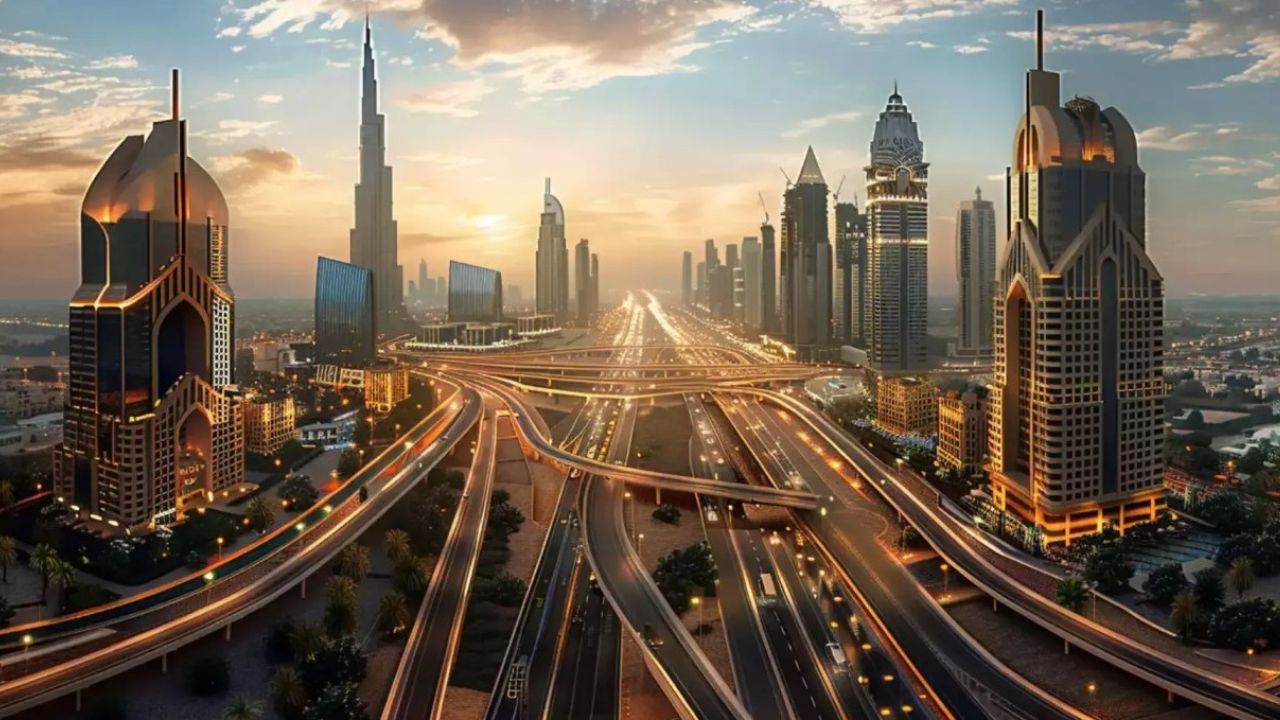
How UAE Infrastructure Will Influence Property Price Trends
Across global real estate markets, infrastructure investment consistently ranks among the strongest predictors of long-term price appreciation. The United Arab Emirates is no exception. Over the past two decades, strategic spending on highways, metro systems, ports, airports, and logistics corridors has fundamentally reshaped land values and residential demand patterns. As the UAE enters a new infrastructure cycle — marked by rail expansion, smart mobility initiatives, and integrated urban planning — these projects are expected to influence property pricing dynamics across both established metropolitan centers and emerging growth corridors.
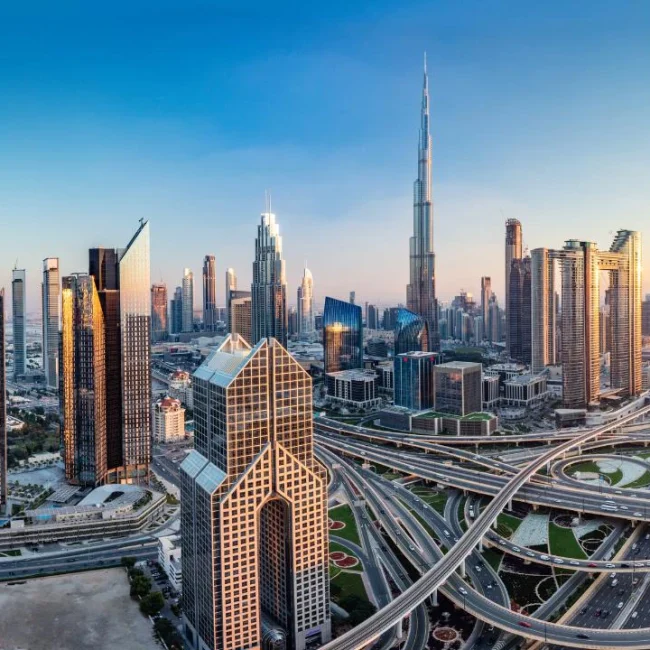
Roads, Transit, Rail & Urban Development as Real Estate Value Drivers
For investors evaluating medium- and long-term positioning, infrastructure development should not be viewed as a secondary macro variable — it is a primary driver of capital appreciation and rental demand. Improved accessibility reduces perceived distance, unlocks new employment clusters, and transforms previously peripheral districts into viable residential and commercial hubs. Understanding how these changes translate into measurable price movement is central to data-driven investment decision-making.
This report analyzes how road expansion, transit systems, and national rail development — particularly the Etihad Rail network — are shaping price trends across UAE property markets, and how investors can anticipate future value migration.
The Economics of Infrastructure and Property Pricing
Infrastructure affects real estate prices through three measurable mechanisms:
Accessibility Premiums
Reduced commute times increase property desirability. International studies show proximity to transit nodes can raise property values by 5–20% depending on connectivity intensity.Employment & Economic Spillovers
Large infrastructure projects generate employment and stimulate surrounding business ecosystems, increasing housing demand and rental absorption.Land Use Transformation
Transit-oriented development enables higher density zoning, retail clustering, and mixed-use environments that elevate long-term capital values.
The UAE’s infrastructure strategy integrates all three — amplifying price momentum in transit-linked zones.
UAE Road Infrastructure — Expanding the Investment Map
Strategic Highway Investments
Major corridors such as Sheikh Zayed Road, Al Khail Road, Emirates Road, and Abu Dhabi’s E11 expansion continue to redefine accessibility between economic centers. These road investments are not merely mobility enhancements; they directly influence where new master communities emerge and where pricing acceleration occurs.
For example:
Improved arterial connectivity between outer districts and central business zones has historically supported price growth in suburban developments.
Road upgrades shorten travel times, effectively repositioning peripheral areas into mid-range commuter markets.
Logistics and industrial corridor expansion attracts employment clusters that boost nearby residential absorption.
As the UAE continues to expand road capacity, the traditional premium placed solely on proximity to downtown cores is gradually shifting toward connectivity metrics — travel time replacing geographic distance as the dominant pricing variable.

Urban Transit — Mobility as a Lifestyle Value Driver
Metro and Integrated Public Transport
Dubai Metro expansion and Abu Dhabi’s smart transit initiatives have reinforced the correlation between station proximity and rental demand. Transit accessibility particularly impacts:
Young professionals prioritizing commute efficiency
Tenants seeking car-independent living
Investors targeting consistent occupancy
Transit accessibility also increases retail viability, improving neighborhood livability scores — another measurable contributor to price resilience.
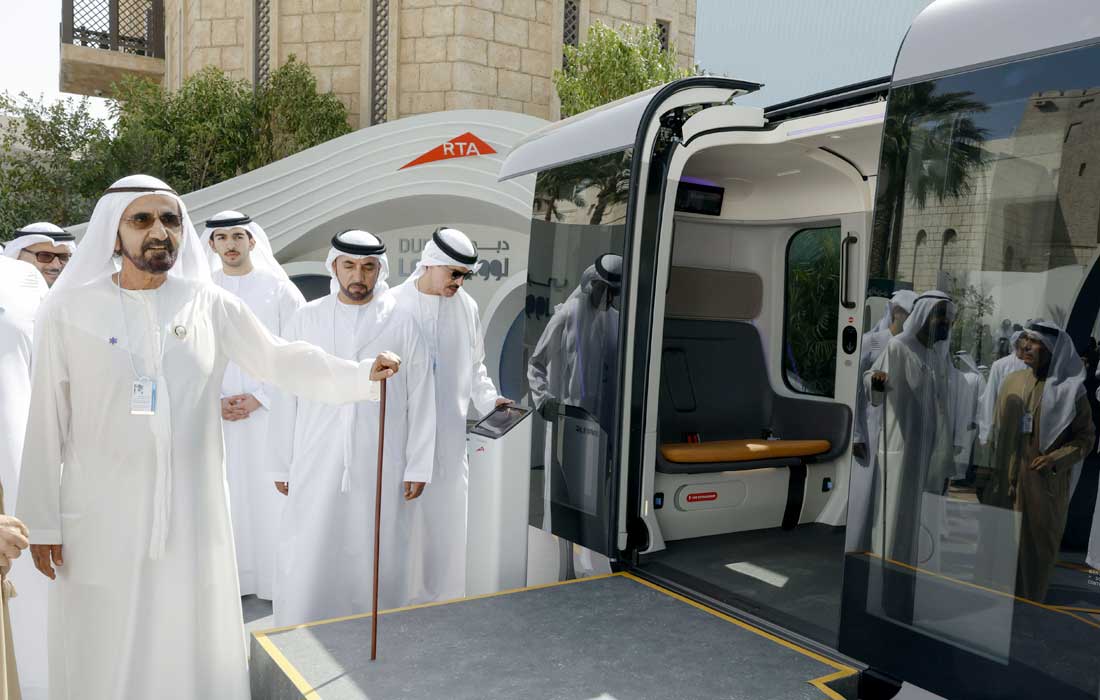
Emerging mobility technologies reinforce this trajectory. Community discussions around upcoming transport innovations highlight how accessibility improvements influence demand patterns — including expectations that electric air taxis and expanded rail connectivity will make previously distant districts commuter-friendly investment targets.
While anecdotal, such sentiment reflects broader behavioral market expectations — an early indicator of future demand migration.
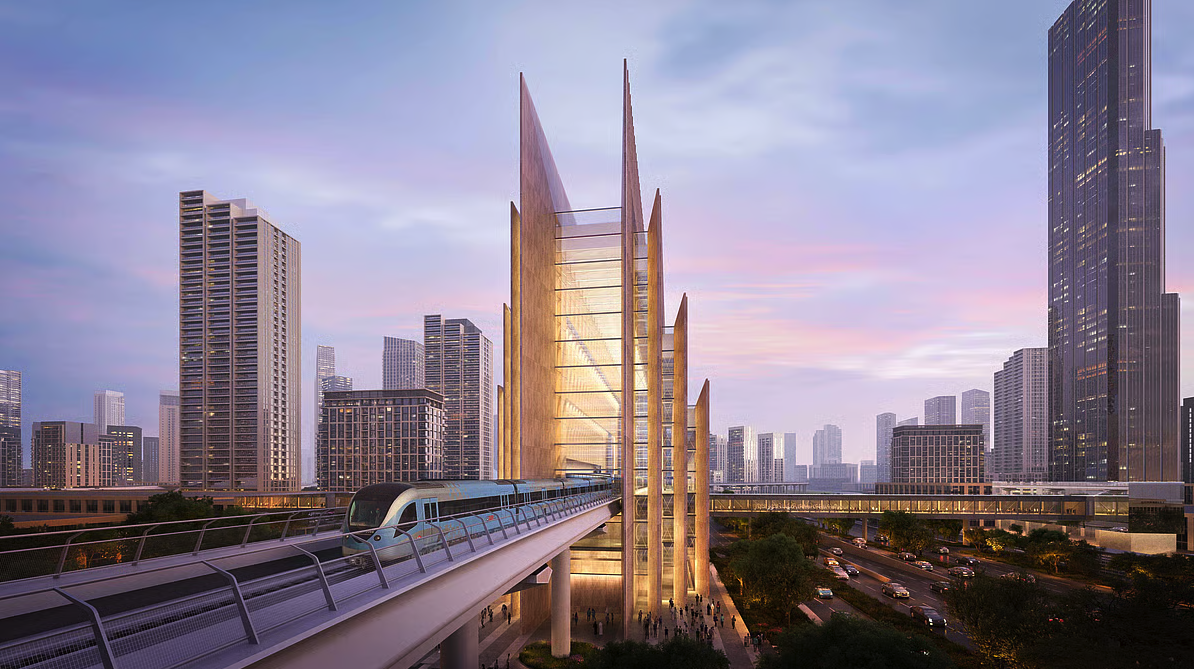
Etihad Rail — The Structural Shift in UAE Real Estate Geography
National Connectivity Redefining Distance
The Etihad Rail passenger network represents the most significant infrastructure transformation currently underway in the UAE. Scheduled to connect approximately 11 cities across nearly 900 km of track, the system is expected to serve tens of millions of passengers annually by 2030.
This scale of connectivity fundamentally alters regional real estate economics by compressing travel times between emirates.
Projected impacts include:
Elevated investor interest in historically distant locations
Price growth in secondary cities linked to major employment hubs
Emergence of transit-oriented development around station nodes
Industry commentary suggests improved links will increase demand in regions previously considered remote, driving stronger price and rental activity as accessibility improves.
Economic Spillover Effects
Beyond mobility, the rail network is projected to generate large economic value:
Over 9,000 jobs expected by 2030
AED 200B in economic opportunities
AED 145B GDP contribution from key corridors
AED 3.5B annual economic impact by 2030
Job creation and GDP expansion directly translate into housing demand — reinforcing rental absorption and long-term capital appreciation around connected zones.
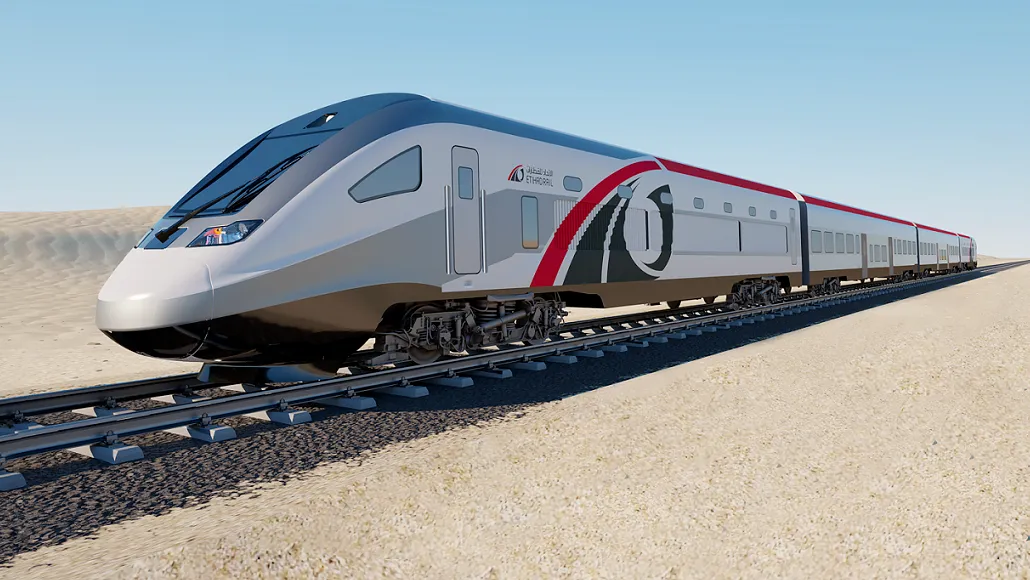
Transit-Oriented Development — The Next Investment Frontier
Rail and transit systems catalyze clustered development near stations, creating high-density mixed-use zones. These areas typically experience:
Higher tenant turnover velocity
Improved rental stability
Retail ecosystem growth
Capital appreciation above city averages
In UAE markets, early signals already indicate investor repositioning toward station-adjacent locations. Market observers highlight expected demand increases near planned transport corridors and logistics nodes — reinforcing the investment thesis for infrastructure-linked micro-locations.
Infrastructure and Emerging Investment Corridors
Secondary Cities & Peripheral Growth
Infrastructure expansion enables price discovery in emerging markets where entry costs remain lower. Connectivity upgrades can shift these zones into:
Commuter-viable residential alternatives
Logistics employment hubs
Tourism or leisure expansion zones
As connectivity reduces geographic barriers, price convergence toward metro-core benchmarks becomes more likely — presenting early-entry appreciation opportunities.
Tourism Infrastructure Influence
Large-scale attractions and hospitality projects also drive localized demand. Market sentiment highlights tourism infrastructure developments — such as entertainment mega-projects — increasing second-home and rental demand within associated districts.
Tourism infrastructure typically produces:
Short-term rental yield expansion
Hospitality-driven capital appreciation
Investor diversification into leisure-anchored assets
Sustainability Infrastructure — The New Price Premium
The UAE’s infrastructure push increasingly incorporates ESG and sustainability standards, including:
LEED-certified urban planning
Smart mobility solutions
Renewable energy integration
Walkable mixed-use communities
Sustainability is becoming a recognized investment driver, with environmentally certified developments attracting global institutional capital and premium tenants. Community observations confirm growing buyer attention to ESG credentials and wellness-focused planning.
This shift indicates infrastructure influence extending beyond mobility — into long-term asset desirability and valuation stability.
Investment Strategy Implications
Data-Driven Location Analysis
Infrastructure timelines should be incorporated into property valuation models. Key analytical factors include:
- Distance to planned transit nodes
- Completion schedules
- Population growth projections
- Employment cluster mapping
Early positioning ahead of completion phases historically provides higher appreciation capture.
Portfolio Diversification
Balanced portfolios often combine:
- Core prime assets for stability
- Infrastructure-adjacent assets for growth
- Emerging corridor exposure for upside
This approach aligns with risk-adjusted return optimization.
Timing Considerations
Infrastructure impact typically unfolds across phases:
- Announcement — speculative demand
- Construction — early price movement
- Completion — demand acceleration
- Stabilization — yield normalization
Understanding these cycles enables strategic entry timing.
From Data-Driven Perspective
From a valuation and advisory standpoint, infrastructure is integrated into predictive analytics models assessing:
Micro-location performance indicators
Accessibility scoring metrics
Rental absorption forecasts
Capital growth probability weighting
Combining infrastructure mapping with transaction data allows investors to move beyond intuition toward evidence-based positioning — improving return probability and downside risk control.
Conclusion — Infrastructure as the Defining Price Catalyst
The UAE’s infrastructure pipeline — encompassing road expansion, transit modernization, and national rail connectivity — is poised to reshape real estate value distribution across the country over the coming decade. By reducing spatial constraints, stimulating employment ecosystems, and enabling transit-oriented urban density, these investments create measurable upward pressure on both rental demand and capital appreciation.
For investors, the implication is clear: infrastructure alignment is no longer optional within market analysis frameworks — it is fundamental. As connectivity increasingly determines desirability, price trends will continue migrating toward well-linked districts, emerging corridors, and sustainability-driven master communities.
Those who incorporate infrastructure analytics into acquisition strategy will be positioned not only to follow market movements — but to anticipate them.