Dubai Development Pipeline: New Mega Projects
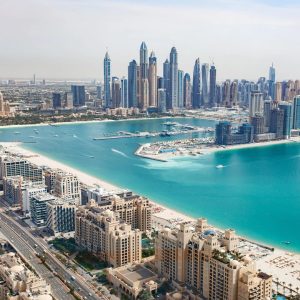
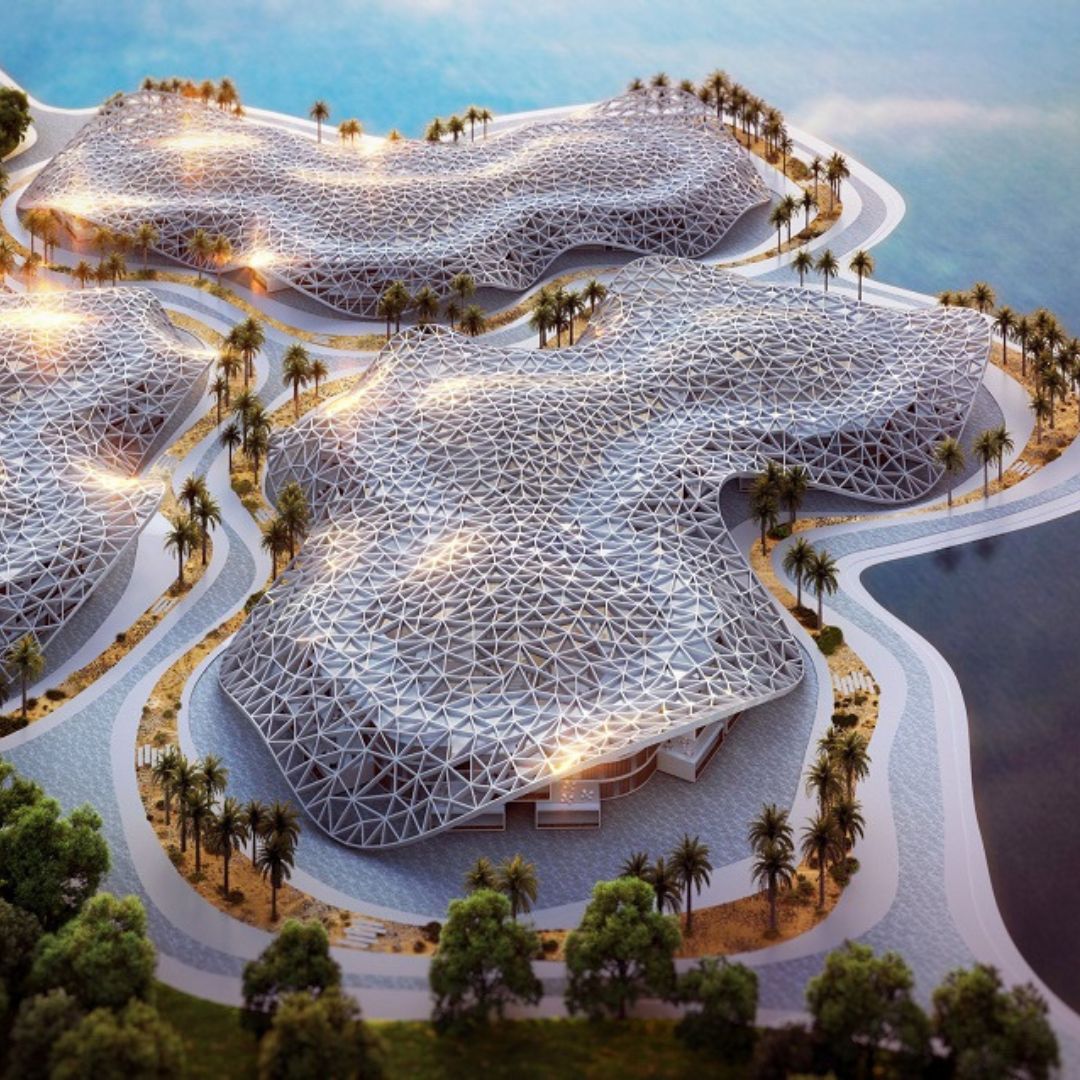
Detail confirmed developments, infrastructure, and investor implications, Dubai’s urban landscape continues to undergo rapid transformation, with several headline mega-projects moving forward across key waterfront and urban precincts. From new island cities to waterfront districts, central business hubs, and mixed-use residential communities, these developments are reshaping Dubai’s skyline, connectivity, and investment landscape.
Dubai Islands
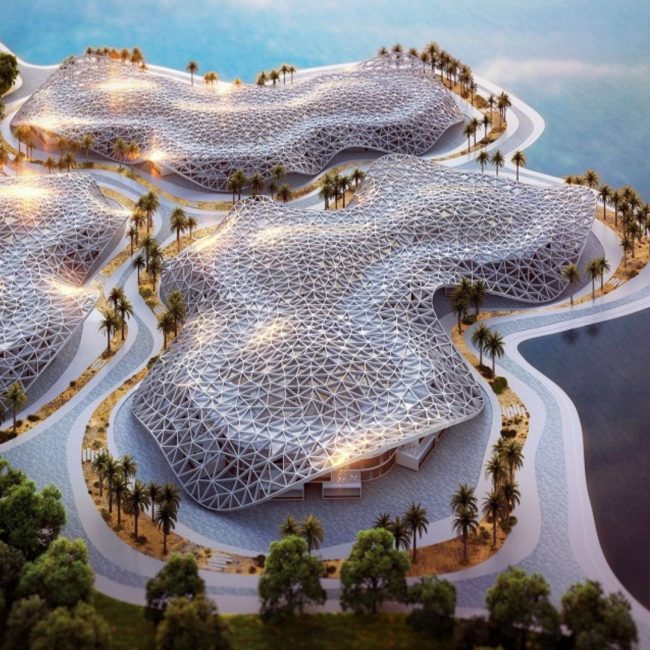
A new waterfront city rising, Dubai Islands is positioned as one of the UAE’s most ambitious coastal expansions, combining lifestyle-led real estate with tourism-scale infrastructure. This section breaks down what the masterplan includes, how it will connect to the mainland, and why it matters for pricing and long-term demand. The key is understanding what is truly “waterfront premium” versus what is simply “near the waterfront.” For investors, it’s also about timing: early-stage entry points versus mature, stabilized phases.
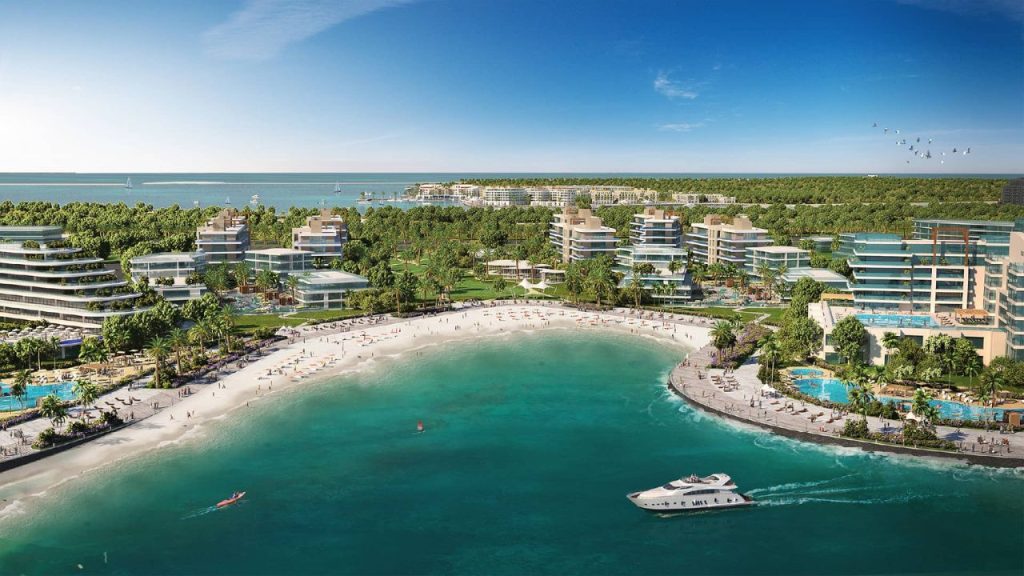
Dubai Islands is the umbrella vision that sets the theme for everything that follows: scale, destination appeal, and long-run urban value creation. Understanding the project’s identity and footprint helps investors judge where demand may cluster first. It also provides context for why certain plots or views can outperform others. Formerly known as Deira Islands, the ambitious Dubai Islands project is being redeveloped by Nakheel into a new coastal city spread across five man-made islands covering roughly 17 km². This master-planned community is designed as a vibrant mixed-use destination for living, leisure, tourism and investment.
Planned features
The planned components define the monetization pathways: residential end-users, short-stay tourism, and mixed-use retail/hospitality economics. These features also influence future absorption and pricing power by creating “reasons to visit,” not just “places to live.” For investors, planned amenities often become the hidden driver behind rent premiums.
- Five distinct islands featuring residential towers, luxury estates, parks, and golf courses.
- Mixed-use urban core with marinas, retail, hospitality and cultural amenities.
- About 80+ hotels and resorts, along with 21 km of beaches and scenic promenades.
- Dedicated zones like Wellness Island, Elite Estates Island, Golf Island and Oasis Island, each with a unique lifestyle concept.
Infrastructure & connectivity
Connectivity is what converts a large masterplan into a functioning city—without it, even premium assets can face slower leasing and weaker liquidity. This subsection focuses on the mobility backbone that links Dubai Islands to demand centers. Strong access typically supports stronger occupancy stability and resale depth. A well-planned road and marine transport network will integrate the islands with mainland Dubai, aligned with the Dubai 2040 Urban Master Plan to support vibrant and healthy communities.
Investor implications
Investor outcomes in large waterfront developments often depend on micro-location and delivery phase, not just the project name. This subsection highlights where premiums usually form first: direct sea views, beach adjacency, and marina frontage. It also frames why off-plan timing can matter for entry price and future upside.
- Prime waterfront exposure: Properties directly overlooking the sea and beaches often command premium pricing with strong capital appreciation potential.
- High tourism appeal: With dozens of hotels and leisure facilities, the islands are positioned to attract short-stay tourists and long-term residents alike.
- Off-plan opportunities: Early-stage investments, particularly beachfront and marina-facing units, often offer flexible payment plans and entry points before full construction.
Dubai Maritime City (DMC)
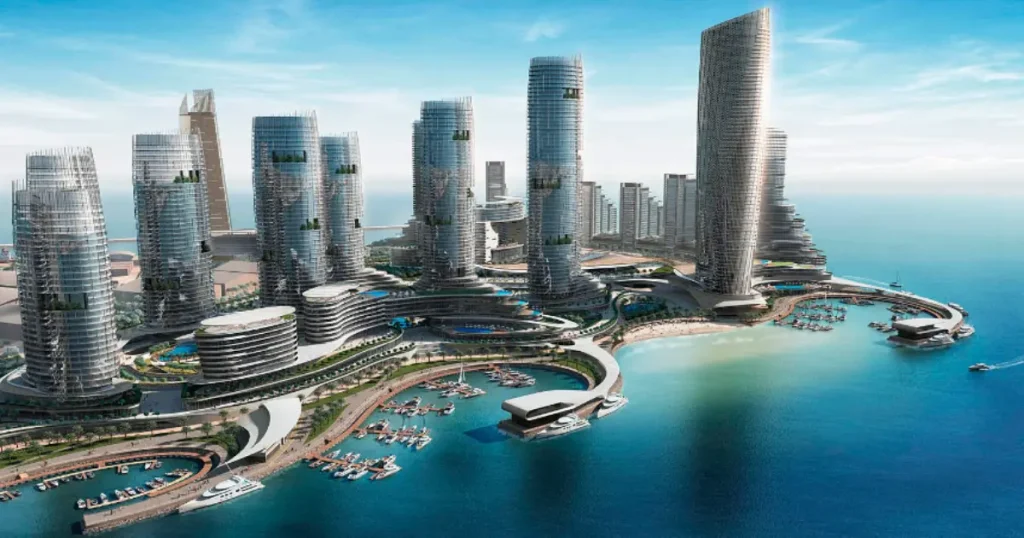
Where Trade Transforms into Lifestyle, Dubai Maritime City is fundamentally a strategic hub, and its investment logic is tied to integration: services, logistics, and mixed-use development working together. Understanding the district’s purpose helps investors evaluate demand durability beyond tourism cycles. It also clarifies why infrastructure readiness can be a critical signal in early phases.
Dubai Maritime City is a strategic maritime hub and commercial precinct designed to support shipping, logistics, marine services, and associated mixed-use developments. Phase I has advanced infrastructure works including road networks, utilities, and telecom services to integrate it seamlessly with the Mina Rashid area.
Planned features
The value of Dmc comes from mixed-use layering: commercial activity can support footfall, services, and year-round occupancy drivers. This subsection outlines the district composition and what the waterfront layout implies for livability and leasing. For investors, the goal is to identify which pockets behave more like “business-linked demand” versus “lifestyle demand.”
- Retail, residential, office and maritime service buildings arranged around a vibrant waterfront.
- Integration into the wider urban ecosystem of Port Rashid, leveraging seafront views and connectivity.
Infrastructure notes
Dubai Maritime City (DMC) is evolving into a waterfront district that blends maritime industry roots with modern residential and lifestyle development. Its value story is strongly tied to access, nearby corridor upgrades, and the pace at which amenities and public waterfront spaces mature as new phases hand over.
Purpose-built maritime waterfront zone with sea-facing plots and marina-edge potential
Causeway connectivity linking DMC to Port Rashid/Al Mina and wider Dubai road network
Nearby transport corridor upgrades can improve travel time and raise location competitiveness
Adjacent port and drydocks ecosystem supports job-driven demand and commercial activity
Phased development pipeline bringing more utilities, services, retail, and public realm over time.
Investor implications
Dubai Maritime City’s investment profile is shaped by its waterfront positioning, evolving infrastructure, and an active development pipeline. Returns here depend less on the broad market and more on unit selection, timing, and district maturity as the area transitions into a mixed-use waterfront destination.
Waterfront premium supports capital appreciation, especially for open sea or skyline-view units
Tenant demand is selective, favoring well-planned 1BR and 2BR layouts over smaller units
Future supply from new launches may cap short-term rent growth despite long-term upside
Micro-location risk matters, with industrial-facing units typically underperforming on rent and resale
Liquidity improves as the district matures, with retail, leisure, and public spaces driving buyer confidence
Mina Rashid
From port to premium district, Mina Rashid’s repositioning is about converting historic port identity into a premium waterfront destination anchored by yachting, hospitality, and curated residential supply. This transition can create scarcity value if executed with strong place-making. Investors typically watch for marina activation, landmark anchors, and delivery timelines as signals of long-term demand.
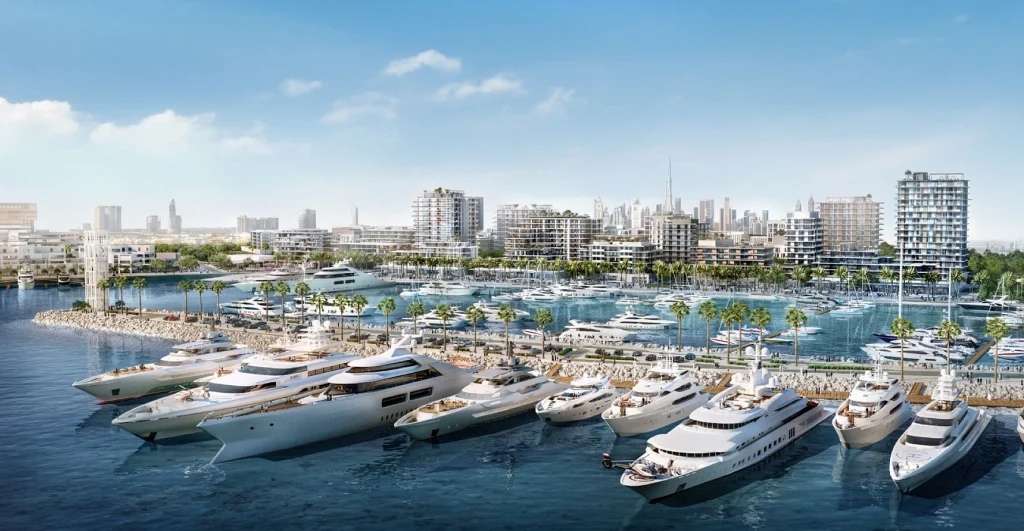
Transformation vision: Mina Rashid (Port Rashid), Dubai’s first purpose-built commercial port, is being redeveloped into a world-class waterfront community with deep strategic value for tourism, yachting, and luxury living.
Planned features
Planned anchors define pricing power: marinas, hotels, lifestyle retail, and iconic attractions tend to pull demand and justify premiums. This subsection lists the components that support both end-user appeal and rental performance. The mix also matters because varied unit types create multiple entry points for different investor profiles.
- Luxury waterfront residencies, retail, dining, hotels, and marina facilities.
- Queen Elizabeth 2 (Qe2) as a cultural and hospitality landmark within the district.
- Developments like Portside Square by Ellington (three waterfront residential towers with studios through four-bedroom layouts) entering off-plan markets, with delivery expected toward 2029.
- Maritime service amenities like superyacht marinas and luxury yacht clubs reinforcing the district’s premium profile.
Infrastructure notes
Infrastructure upgrades are what transform a waterfront vision into a convenient, liveable district with strong visitor flow. This subsection focuses on access improvements that typically support both occupancy and resale liquidity. For investors, better connectivity reduces friction for tenants and boosts long-term desirability.
Mina Rashid’s redevelopment includes major roads, utilities, and public spaces that connect the port area to broader Dubai, improving access and visitor experience.
Investor implications
Mina Rashid’s investment appeal is largely tied to waterfront lifestyle branding and the depth of its marina ecosystem. This subsection explains why the district can attract global demand while still offering multiple price bands. For investors, the advantage often lies in matching the product tier to the tenant profile you want to capture.
- Waterfront premium: Mina Rashid’s seafront location and marina lifestyle positions it as a high-appeal investment corridor, with rental and resale potential.
- Lifestyle branding: Proximity to iconic attractions and maritime facilities bolsters long-term demand from luxury homebuyers and global investors.
- Mixed housing mix: Projects range from premium mid-rise residences to high-end luxury towers, offering varied entry points for different investor profiles.
Meydan
Luxury urban hub & beyond, Meydan is not only a luxury narrative; it’s also a fast-expanding urban masterplan with a broad spectrum of unit types and investor entry points. This section explains why the district is becoming a key growth zone, especially due to proximity to core Dubai. Investors often look at Meydan as a “city-adjacent lifestyle hub” with both mid-market volume and premium pockets. The objective is to understand where demand is likely to be deepest and most stable.
Meydan’s identity has expanded from a single landmark into a wider residential and business ecosystem. This overview sets the context for why supply is increasing and how that may impact competition and pricing. For investors, it’s about selecting the right project positioning within a growing pipeline.
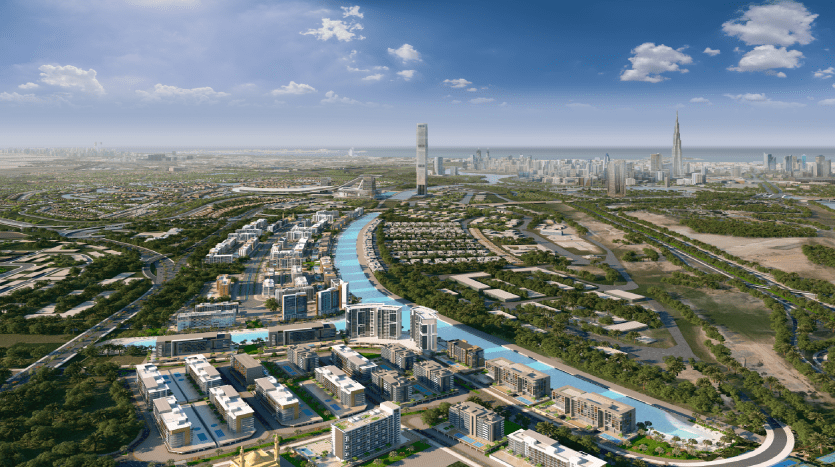
Once known primarily for the Meydan Racecourse, this district has evolved into a significant master-planned urban community blending residential, retail, entertainment, and business spaces.
Planned features
Pipeline volume matters because it affects future supply pressure, resale competition, and rental differentiation. This subsection outlines the breadth of off-plan activity and the types of projects coming online. For investors, the key is to target projects with strong location advantages, efficient layouts, and standout amenities.
- Off-plan residential projects: More than 60 new units are listed in the Meydan area by diverse developers, including Azizi Riviera series, Émerge Residences, Helvetia Verde, Vedaire Residences, and more, with many targeted for completion between 2026–2028.
- Master-planned communities: Meydan Avenue and District One remain flagship developments attracting investors seeking luxury living close to Downtown Dubai.
- Smaller mixed projects: Projects like Woodland Terraces signal continued inflow of mid-range residential stock.
Infrastructure and amenities
Amenities and connectivity are what sustain rent demand beyond launch hype, especially in districts with ongoing supply. This subsection highlights the “livability stack” that supports long-term tenant retention. Investors typically prioritize areas where daily-life convenience is strong because it improves occupancy stability.
- The community integrates parks, schools, retail, golf courses, and entertainment zones, enhancing liveability.
- Meydan Free Zone provides business incentives and supports commercial activity alongside real estate growth.
Investor implications
Meydan’s strength is flexibility: it can suit entry-level buyers, mid-market investors, and luxury purchasers in one corridor. This subsection frames how proximity to Downtown Dubai and branding elements can support both rental demand and appreciation. The key is choosing the right segment for your risk tolerance and holding horizon.
- Diversified stock: Options for entry-level investors, mid-market buyers, and luxury purchasers allow diversified investment strategies.
- Proximity to core Dubai: Being near Downtown enhances rental demand and capital growth potential.
- Brand partnerships and international appeal: Branded residences (e.g., Tonino Lamborghini) can heighten global investor interest.
Supporting infrastructure: Boosting appeal across all zones
Major real estate corridors move faster when mobility upgrades reduce commute friction and improve visitor flow. This section explains the infrastructure layer that can lift multiple districts simultaneously. Investors often underestimate how transport connectivity influences tenant choices, rent ceilings, and resale liquidity. The goal here is to link “city planning” into practical investment outcomes.
Transport & connectivity
Transport upgrades often create second-order value: better access expands tenant catchment, improves tourism movement, and strengthens everyday convenience. This subsection focuses on the projects that reinforce growth corridors and waterfront accessibility. For investors, connectivity can be a core driver of long-term demand resilience.
- The new Dubai Metro Blue Line will connect growth areas including Dubai Creek Harbour, Silicon Oasis, and more, facilitating mobility for residents and tourists alike.
- Major roads such as the Infinity Bridge and Al Shindagha Corridor improvements are easing traffic flow and integrating waterfront communities with the city’s core.
Investor takeaways — A strategic overview
When several mega-projects progress at the same time, the best approach is comparative: timeline, demand driver, and product type. This section summarizes each corridor in a compact framework so you can match your investment goals to the right location. It also helps clarify where the biggest upside may come from: tourism-led demand, marina lifestyle premiums, or city-adjacent growth. Use this as a practical map for prioritizing shortlists.
Project | Investment appeal | Timeline | Key buying drivers |
Dubai islands | High potential for lifestyle tourism & waterfront capital gain | 2026–2030 | Limited beachfront supply, hospitality demand |
Mina rashid | Premium coastal living + maritime infrastructure | 2025–2029 | Waterfront pricing premium, strong rental appeal |
Meydan | Urban mixed-use with diversified stock | 2025–2028 | Proximity to Downtown Dubai, broad market appeal |
Dmc & marina hubs | Integrated commercial & mixed-use sectors | Ongoing | Maritime services + residential blend |
Why invest now?
Timing is a major part of return potential, especially in off-plan and early construction phases where entry prices and payment terms can be more favorable. This section explains the macro reasons investors often consider “early positioning” in growth corridors. It also frames how Dubai’s long-term planning policies can support sustained demand across multiple districts. The aim is to help investors decide whether now fits their risk and timeline preferences.
- Early-stage pricing: Off-plan and early construction phases typically offer lower entry levels with attractive payment plans.
- Urban growth policies: Alignment with Dubai’s 2040 vision across mobility, tourism and sustainability improves long-term prospects.
- Diversification: Waterfront, urban, luxury and mid-market segments give investors multiple portfolio pathways.
Dubai’s development pipeline across Dubai Islands, DMC, Mina Rashid and Meydan represents some of the most transformative urban initiatives in the Middle East. Together, these projects reflect a strategic blend of world-class living, tourism drawcards, and investment potential. From expansive waterfront masterplans that redefine luxury living to diversified urban communities supported by major infrastructure upgrades, Dubai remains a leading global destination for real estate investment, lifestyle innovation, and economic growth.
If you are ready to explore investment opportunities in Dubai, discover our opportunities in Dubai and use our investment tool to make informed decisions, perfectly aligned with your goals.
Do you have questions about your next investment? Contact VALORISIMO today to benefit from personalized support and expert advice tailored to your objectives.
Frequently Asked Questions (FAQ)
What does “Dubai Development Pipeline” mean in this context?
It refers to the confirmed and planned mega projects under development across Dubai, including large residential, mixed-use, and infrastructure-led districts that will shape future supply, demand, and pricing dynamics.
How do new mega projects affect property prices and rents?
It refers to the confirmed and planned mega projects under development across Dubai, including large residential, mixed-use, and infrastructure-led districts that will shape future supply, demand, and pricing dynamics.
Why should investors track the development pipeline?
Understanding the pipeline helps investors time entries better, avoid oversupplied zones, and identify areas where infrastructure upgrades and place-making can drive future appreciation.
Related Posts
Golden Visa Dubai: Complete Guide for Investors in 2025
UAE Mortgage Guide: 2025.

Service Charges in Dubai & Abu Dhabi 2025.
Spotlight on Dubai’s Most Active Developers in 2025
A Comprehensive Guide to Mortgages in Dubai Real Estate

How Cryptocurrency is Shaping the Future of Real Estate in Dubai
Living in Dubai: Expat Guide 2025

Buying Property in Dubai with Cryptocurrency