Abu Dhabi Residential Market Surges in 2026
Record Transactions, Rising Prices, and Investment Opportunities
Abu Dhabi closed 2025 with the strongest residential market the emirate has ever recorded. Transaction volumes surged to more than 20,000 deals for the year — a 58% increase year-on-year — while average sales rates climbed sharply, reflecting broad-based buyer demand and a developer pipeline that remains dominated by off-plan launches. These dynamics have carried momentum into early 2026 and reshaped how investors, end-users and developers view the Emirate’s risk-return profile.
This article explains the numbers behind the headline, why Abu Dhabi’s market is structurally different today versus five years ago, where the highest returns (and safest-pocket) opportunities lie, and how a data-driven investment approach — the Valorisimo way — helps you act with clarity in a rapidly evolving market.
Quick Market Snapshot for Real Estate Investors
- Transactions (2025): 20,000 residential sales — up 58% YoY. Total real estate transactions reached AED 94 billion, reflecting robust capital inflows into residential and mixed-use assets.
- Off-plan dominance: Off-plan accounted for roughly 70% of annual sales in 2025 and jumped to 80% of transactions in Q4.
- Asset mix: Apartments dominate overall activity (67% share in 2025), while villas recorded a strong Q4 showing with 3,500 villa/townhouse transactions in the quarter (45% of Q4 sales).
- Average sales rate: AED 17,145 per sqm across tracked Abu Dhabi locations +15% YoY.
- Super-prime demand: Branded residences and luxury villa launches drove a record number of ultra-high value sales; branded launches alone generated significant high-ticket volumes (e.g., Waldorf Astoria Residences Yas sold out 133 homes for AED 850M).
These fundamental metrics explain why both institutional and private capital are repositioning toward Abu Dhabi: strong transaction liquidity, expanding developer activity and rising price benchmarks across apartments and villas.
Why 2025 was a turning point — structural drivers
Several structural shifts converged in 2025, marking a decisive transition for Abu Dhabi’s real estate market from cyclical recovery to sustained, fundamentals-driven growth. Population expansion, fueled by skilled expatriate inflows and long-term residency initiatives such as the Golden Visa, significantly strengthened end-user demand. At the same time, Abu Dhabi’s economic diversification strategy—anchored by sectors like finance (ADGM), energy transition led by ADNOC, advanced manufacturing, and tourism—created durable employment growth and reinforced housing demand stability. On the supply side, disciplined developer launches and a focus on premium, master-planned communities helped prevent oversupply while enhancing asset quality. Increased institutional capital participation, improved transparency, and rising international investor confidence further accelerated transaction volumes. Together, these structural drivers repositioned Abu Dhabi as a mature, globally competitive real estate market with stronger long-term capital appreciation and income visibility.
1. Developer-led off-plan supply and attractive payment terms
A flood of developer product — more than 70 projects launched in 2025 totaling 13,500 units — combined with attractive payment plans and early-stage pricing drew both investors and end-users into off-plan purchases. Off-plan solutions provide lower entry points and staged finance, creating a powerful growth dynamic that amplified transactions in 2025.
2. Changing buyer mix and rising HNWI interest
Abu Dhabi has matured as a destination for international buyers and high-net-worth individuals. Branded residential launches (Four Seasons, Bulgari, Waldorf Astoria) increased ultra-prime activity and pushed top-end price per sqm benchmarks higher. The Waldorf sell-out on Yas Island — generating AED 850M — is a clear sign of rising appetite at the top of the market.
3. Demand for villa stock (space & family living)
The strong Q4 villa activity — almost 3,500 villa/townhouse transactions — demonstrates the pent-up demand for lower-density family living within the capital, driven by local relocation, family migration, and buyers shifting from apartments to larger homes. This trend makes villas an increasingly important engine of value appreciation.
4. Policy & market governance improvements
Improved market transparency and broker accountability (e.g., the ADREC-backed “Madhmoun” system limiting and verifying listing brokers) raised buyer confidence, curbed asymmetry, and supported cleaner transactions — important for institutional capital deployment.
Micro-location winners — where growth concentrated in 2025
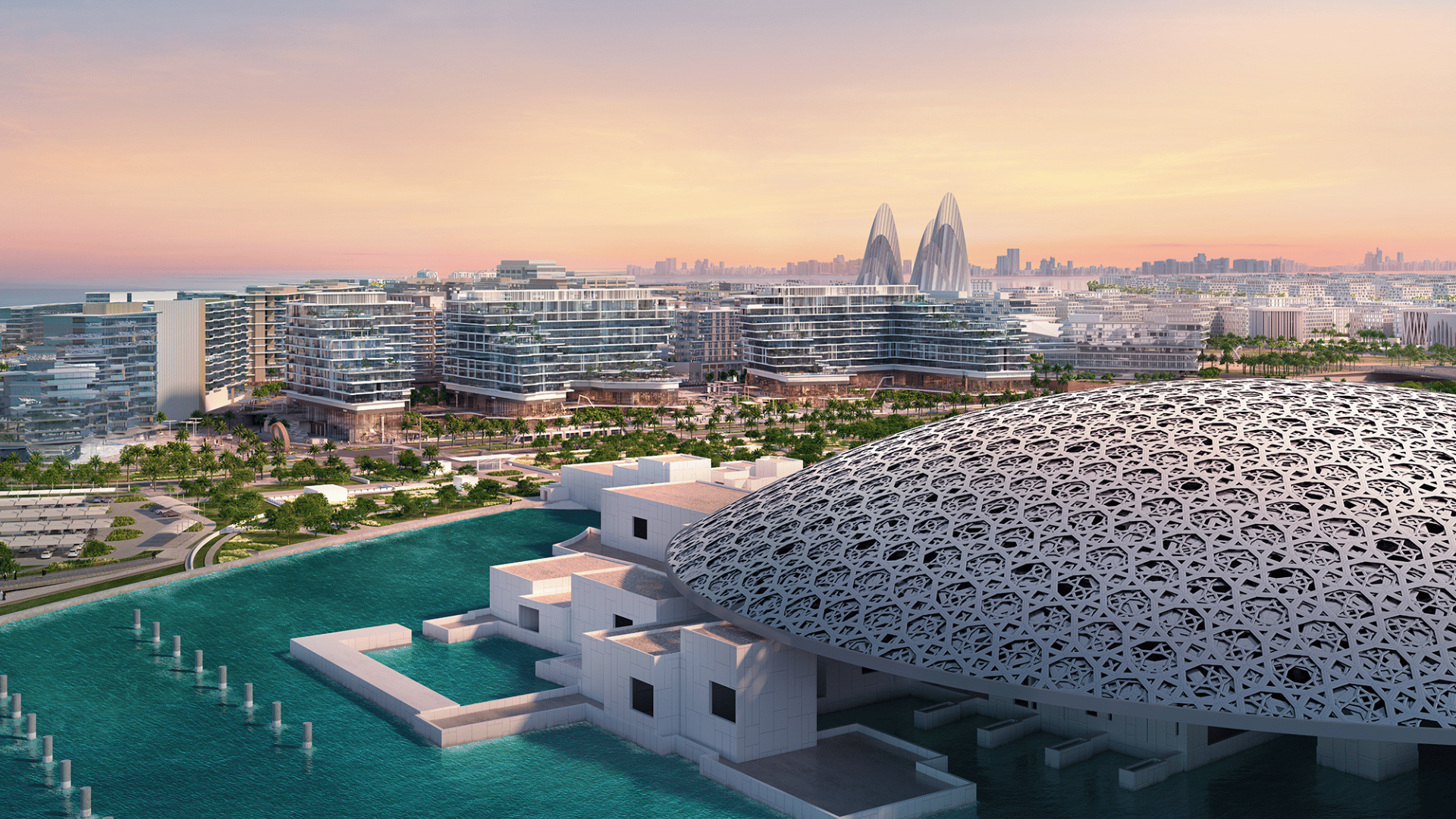
Price and demand were not evenly distributed across Abu Dhabi. The biggest winners (and strongest future candidates) share common traits: proximity to strategic infrastructure, brand and lifestyle credentials, and limited beachfront or villa supply.
Top performing corridors & neighborhoods:
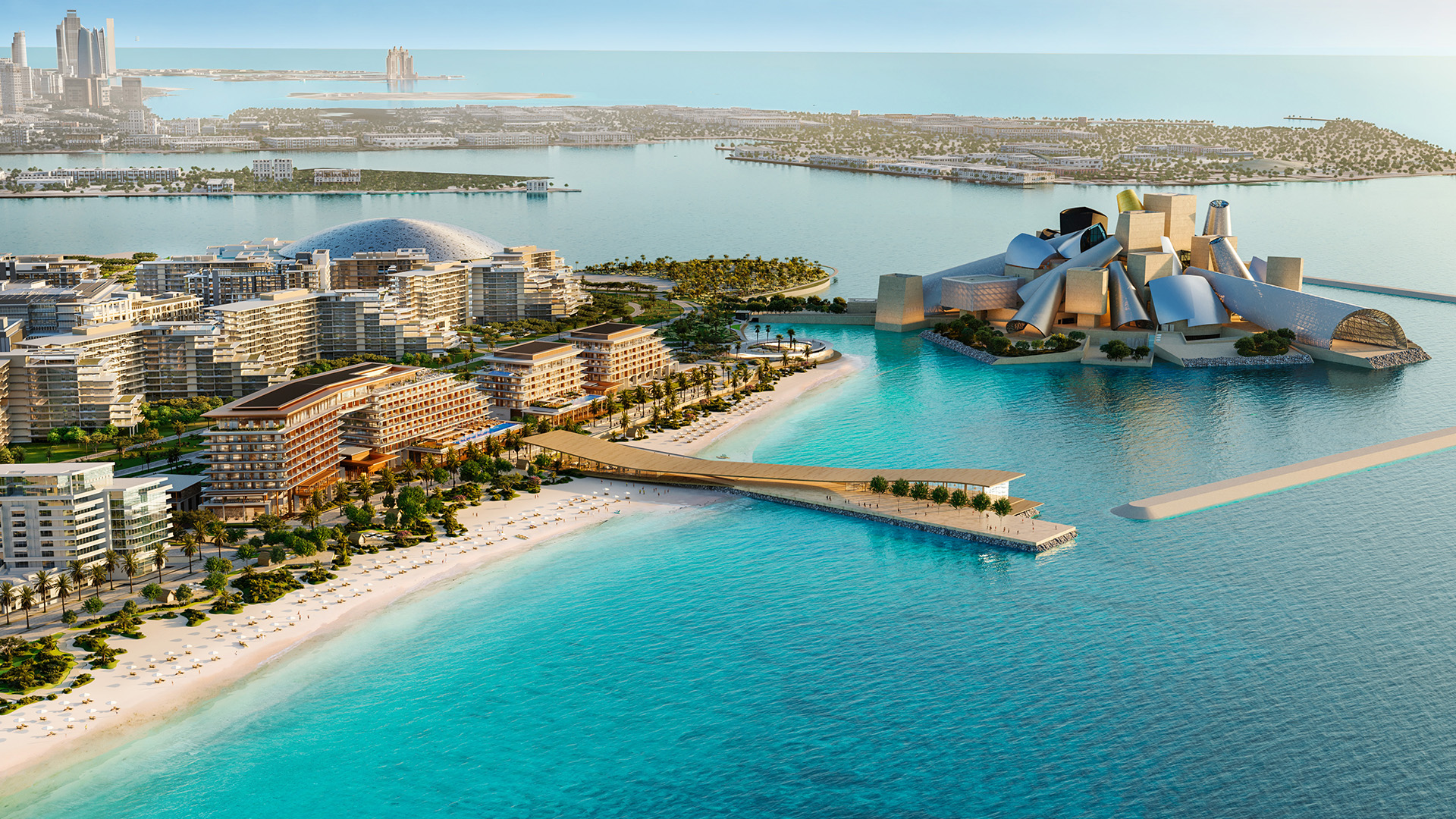
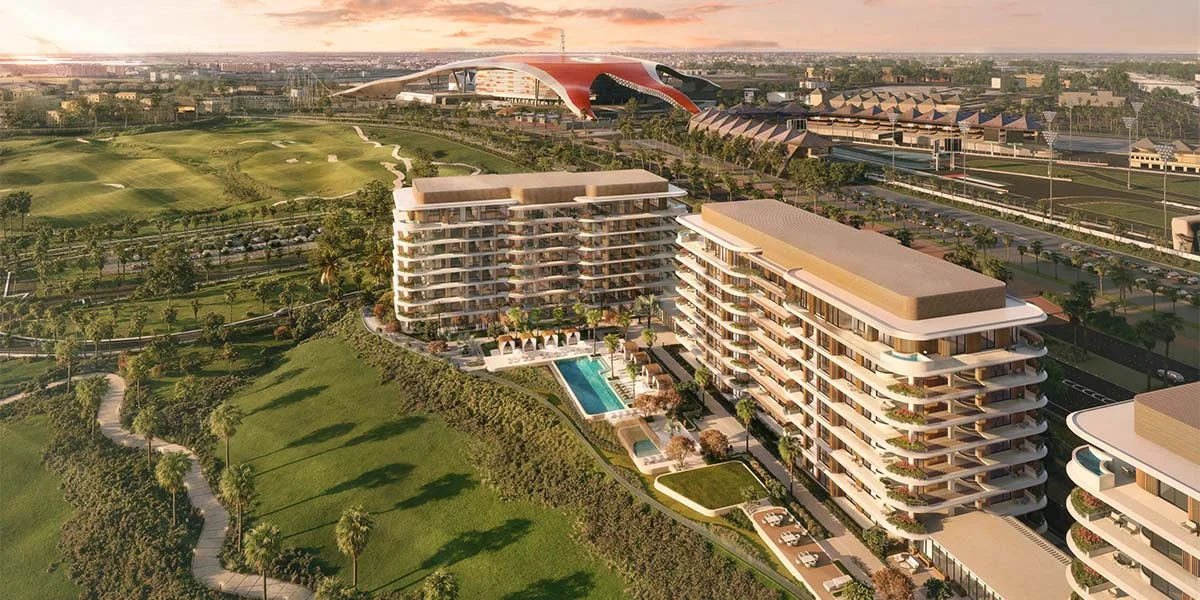
- Yas Island — luxury & branded residences, tourism pipeline and major entertainment draws. Strong high-end demand and branded sales supported price growth.
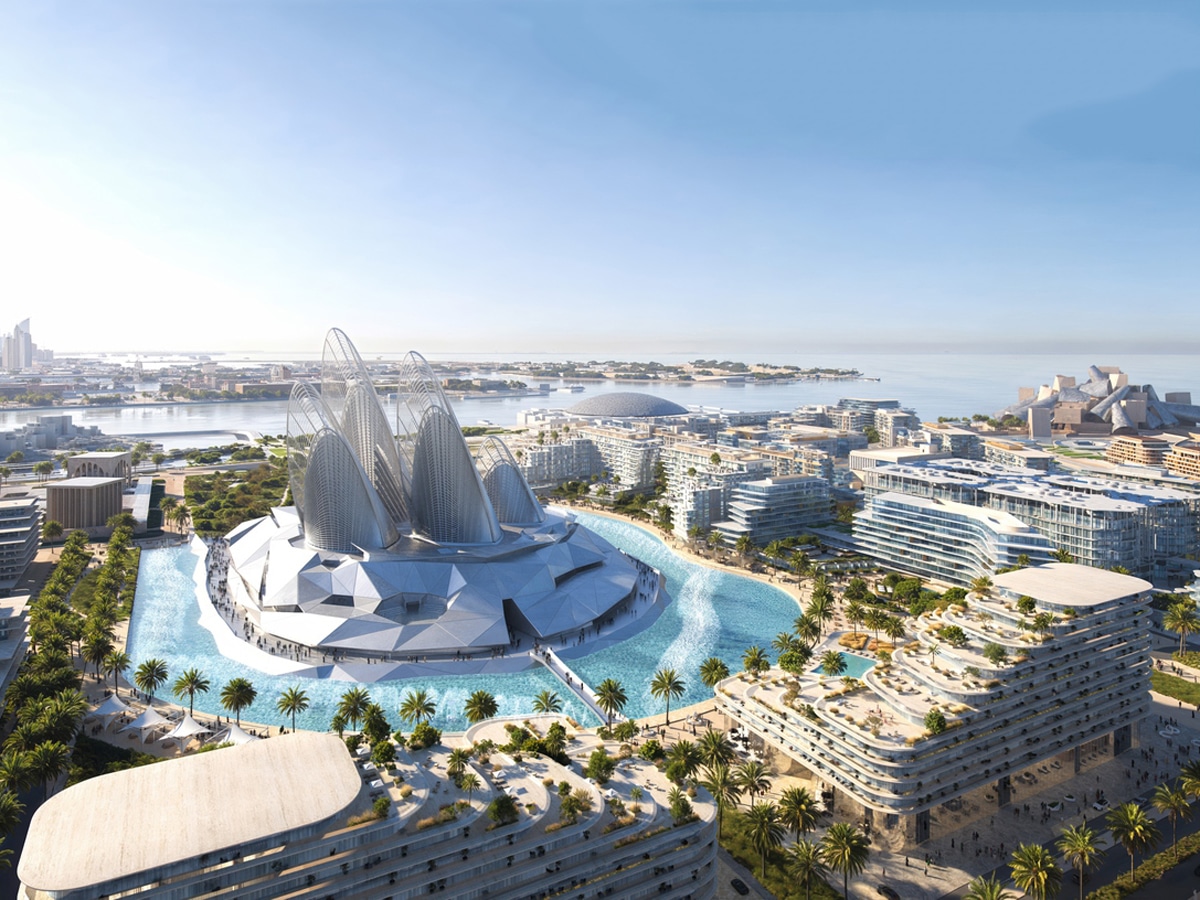
- Saadiyat Island — cultural district + beachfront luxury; branded launches pushed per-sqm rates markedly higher.
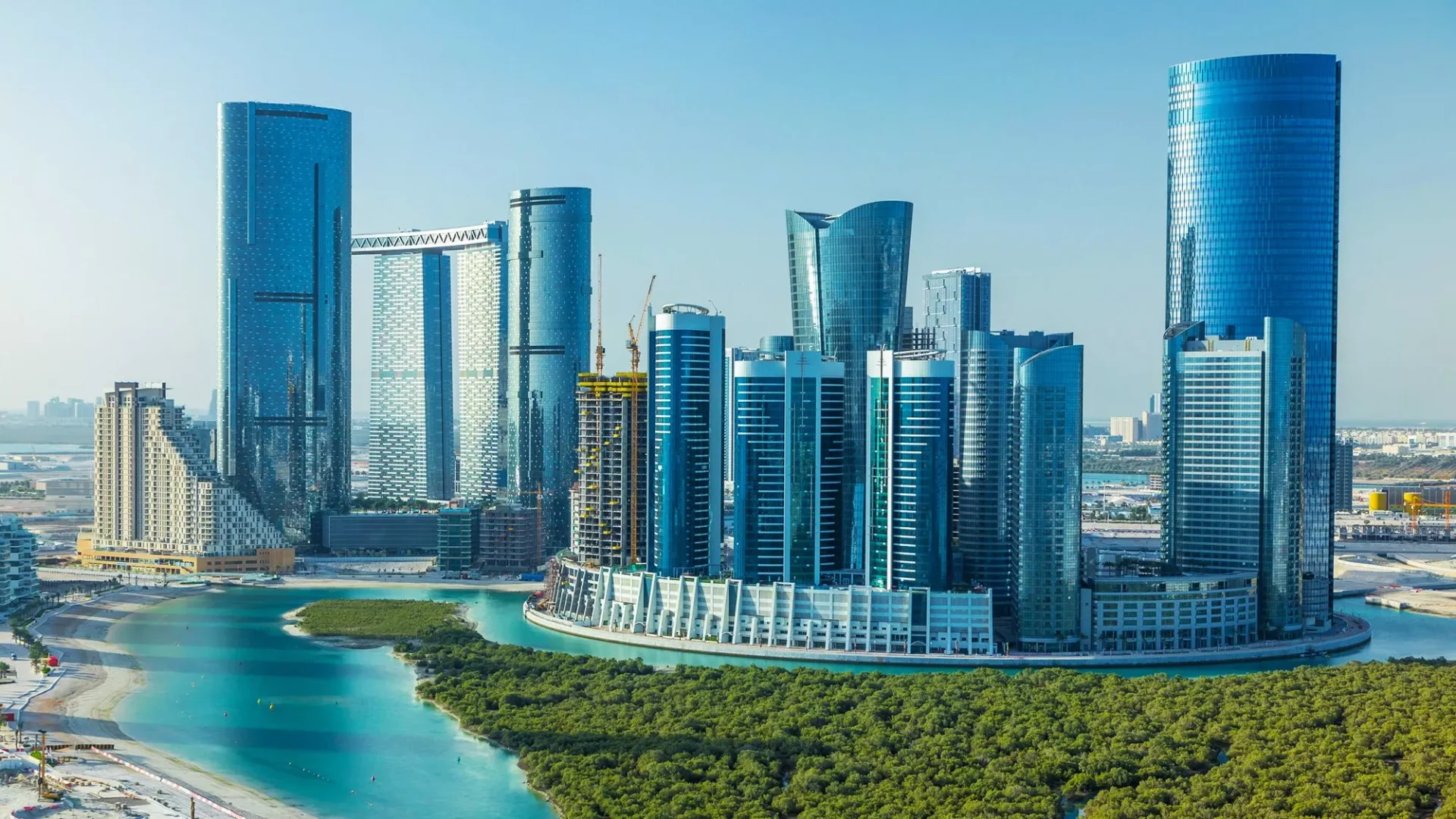
- Al Reem Island & Faddan/Al Raha areas — high activity for apartment product and consistent end-user demand.
- Al Reef & Masdar / affordable corridors — remain elite yield performers (value plays) for investors seeking higher gross rental returns and lower entry prices.
These areas illustrate the “two-track” market: premium, branded and waterfront projects capture super-prime capital, while affordable, well-connected neighborhoods absorb yield-focused investors and renters.
Rental market — yields, occupancy and tenant demand
Rents rose in 2025 alongside sales: robust rental demand followed price growth, particularly for apartments. While exact yield figures vary by submarket and unit size, two patterns matter:
- Affordable mid-market areas deliver the best gross yields — established communities with lower entry prices such as Al Reef often report yields in the upper band (8–9% gross), making them attractive for yield investors.
- Premium areas trade yield for capital appreciation — locations like Saadiyat and Yas offer lower yields (3.5–6%) but significant long-term price uplift and high occupancy from professional, diplomatic and HNWI tenants.
For income investors, smaller units (studios and 1-beds) in mid-market locations typically produce higher percentage yields than larger family homes, while villas provide steadier capital appreciation and longer-term family tenancy.
What the price data actually says (deeper look)
Q4-2025 analysis shows apartment price rates rose strongly, pushing the average sales rate to AED 17,145/m² — a +15% YoY increase across tracked Abu Dhabi districts. Apartment rate growth in 2025 outperformed villas in aggregate, driven by branded residence launches and robust resale activity in prime districts.
At the same time, villa market strength emerged in Q4 with a surge in villa & townhouse transactions (3,500 in Q4), evidencing a clear re-rating for family and low-density housing options in the capital. This points to a bifurcation: apartments capturing rapid unit turnover and branded rate inflation, villas delivering focused end-user demand and large-ticket sales.
Why off-plan remains central — risks and rewards
Recent data shows off-plan accounted for 70% of 2025 transactions and 80% in Q4, underscoring how investor appetite is tightly coupled to new launches and developer payment structures. Smart off-plan investing requires micro-location selection and developer due-diligence
Why investors buy off-plan in Abu Dhabi now
Lower entry pricing vs completion stage
Attractive payment plans and developer incentives
Opportunity to capture initial price appreciation as developments mature and handovers approach
Early exposure in emerging masterplans and waterfront projects
Risks to monitor
Construction/timeline risk: project delays alter cashflow and appreciation timing
Delivery and handover concentrations: clustered handovers can temporarily depress resale prices and rental absorption
Developer credit & pre-sale dependency: investors should assess developer track record and sales velocity
Demand composition — investor vs end-user balance
2025’s market surge was powered by a blend of:
Local and regional investors chasing yields and capital gains
International buyers (Europe, Asia, Middle East) attracted to tax-efficient returns and lifestyle
End-users & families seeking branded residences, larger villas, or school-oriented neighborhoods
Notably, branded residences and super-prime products captured outsized value: nearly 700 sales above AED 10M in 2025 (a 47% uplift vs 2024), with 13% of those over AED 20M — a major structural shift that proves Abu Dhabi can compete at the global luxury level.
Policy & institutional changes supporting confidence
Two governance items helped cement market trust in 2025:
Madhmoun (ADREC brokerage verification): by limiting each listing to three verified brokers, ADREC’s system aims to reduce duplication, improve broker accountability, and increase transparency — a positive for institutional participation.
International school and leisure commitments: global school brands (King’s College Wimbledon, Harrow, Gordonstoun) and major leisure investments (Disneyland announcement on Yas Island) boosted Abu Dhabi’s liveability narrative, benefiting relocation-led housing demand.
These policy and amenity upgrades are practical catalysts for long-term resident growth and capital inflows.
Investor Strategy 2026: How to Position for Sustainable Returns
In 2026, the most effective investment approach shifts from speculative timing to strategic asset selection based on long-term fundamentals. Investors should prioritize high-demand, supply-constrained neighborhoods, focus on projects by tier-1 developers, and target properties with strong rental liquidity and future infrastructure support. With price growth stabilizing after rapid expansion, the opportunity now lies in securing assets with durable rental yields, future capital appreciation potential, and resilience across market cycles rather than chasing short-term price spikes.
1. Prioritize infrastructure-aligned corridors
Target areas with clear transport and masterplan pipelines (Yas Island, Saadiyat connectivity, Al Reem, areas near Abu Dhabi Metro extensions and highway upgrades). Infrastructure continues to be a primary predictor of outperformance.
2. Use micro-location data, not macro narratives
The market is highly segmented: growth occurs at a hyper local level. Valorisimo’s approach is to analyze transaction density, absorption rates, off-plan pipeline and rental signals at the sector and block level before recommending purchase. Defaulting to “Dubai vs Abu Dhabi” narratives misses crucial micro moves.
3. Choose product based on investment objective
Yield focus: mid-market apartments in value corridors (e.g., Al Reef, Masdar) or select ready stock for immediate cashflow.
Capital growth: waterfront and branded projects (Saadiyat, Yas Island, select Al Reem pockets).
Balanced approach: new masterplans that combine strong rental demand and staged capital uplift.
4. Vet developers & timing for off-plan
Check developer track record, sales velocity, escrow protections, and expected handover cadence. Early stage discounts can be attractive but they carry timing and construction risk.
5. Consider legal & tax structure, residency benefits
While UAE continues to offer tax advantages, consider holding structure, mortgage availability, and long-term residency programs (Golden Visa) that influence demand and exit planning.
Key Neighborhood and Signals to Monitor: 2026
Neighborhood performance in 2026 will be shaped by infrastructure delivery, population inflows, and the concentration of economic activity hubs. Areas near financial centers such as ADGM, cultural districts like Saadiyat Island, and emerging master-planned communities on Yas Island and Al Reem Island are expected to maintain strong demand fundamentals. Investors should monitor supply pipelines, rental absorption rates, and government-backed development zones, as these indicators will define the next phase of localized capital growth.
- Yas Island: Branded residences, entertainment pipeline and ongoing tourism projects make it a prime long-term play for high-end investors.
- Saadiyat Island: Cultural district + beachfront luxury. Branded launches will keep premium pricing intact.
- Al Reem Island : High activity for apartments and a solid choice for rental investors seeking steady occupancy.
- Al Reef & Masdar / affordable hubs: Yield leaders for investors seeking higher gross returns and lower entry cost.
- Khalifa City & fringe villa communities: Good family demand and rising villa transactions — watch for school and infrastructure announcements that can re-rate zones quickly.
Why Stability Creates Stronger Investment Foundations
Abu Dhabi’s late-2025 surge marks a transition: the market is maturing from a headline-driven boom into a phase defined by structured growth, diversified buyer profiles, and stronger institutional confidence. This is a healthier ecosystem — less prone to speculative spikes and more aligned with sustainable pricing driven by fundamentals such as population growth, infrastructure delivery and branded product demand.
For 2026, expect:
- Continued price moderation in pockets once supply normalizes, with stabilized appreciation elsewhere where infrastructure and scarcity persist.
- Strong transactional liquidity as off-plan projects move toward handovers and branded/resale markets remain active.
- Targeted investor demand for infrastructure-aligned, waterfront and masterplanned assets over broad market gambles.
Valorisimo’s USP is simple: data-driven, buyer-first advice. That means we combine granular transaction datasets, project-level delivery timelines, rental market feeds and in-market agent insights to produce actionable recommendations — tailored to each investor’s objective (yield, growth, or hybrid). In a segmented market such as Abu Dhabi’s, this methodology is not optional — it’s essential.
If you’re evaluating Abu Dhabi opportunities in 2026, adopt a clear framework:
Define your objective (income vs capital).
Narrow your micro-locations (infrastructure alignment + supply profile).
Validate developer credibility and delivery timeline.
Stress-test cashflow and exit assumptions under multiple handover scenarios.
With disciplined, data-backed decisions, Abu Dhabi offers durable opportunities — and 2025’s record activity has created multiple entry points for investors who prioritize fundamentals over headlines.
Related Posts