
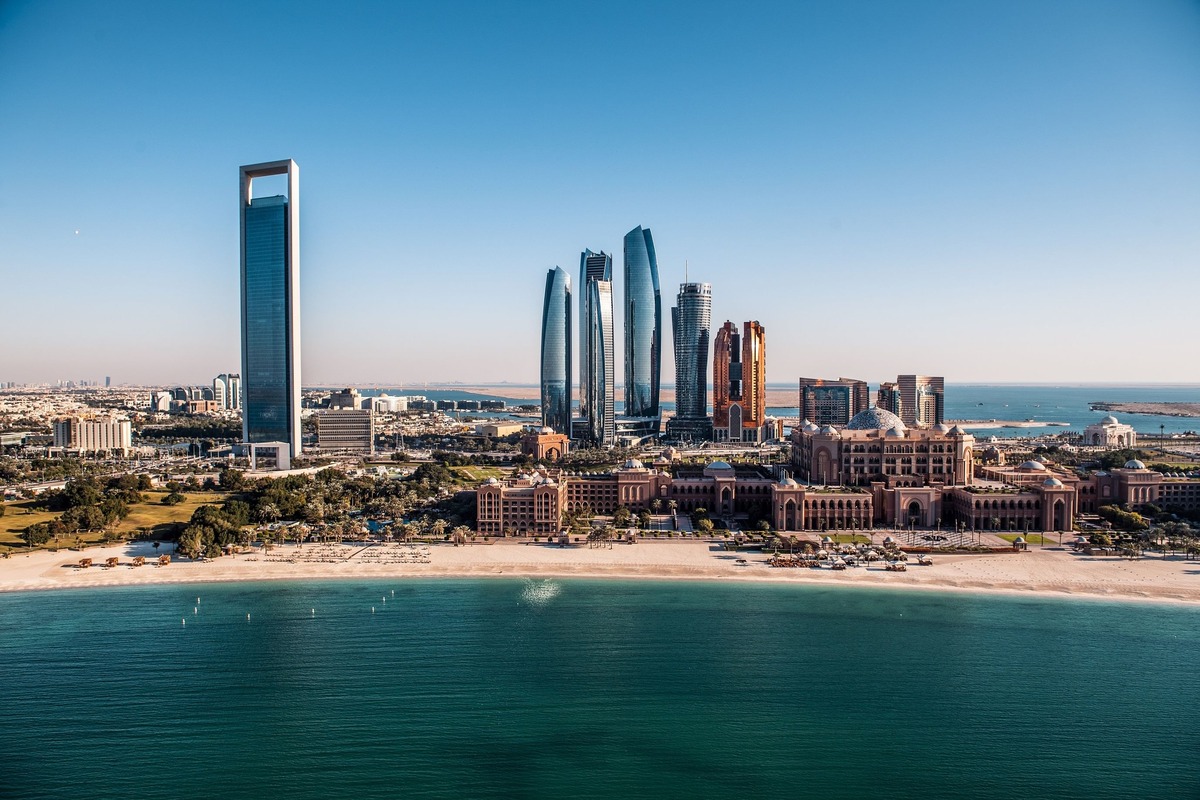
Abu Dhabi Property Prices 2026: Where Values Rose 40% and Where They Fell
Abu Dhabi’s property market continues to appreciate, but the headline numbers hide an increasingly important reality: not every location and property type is performing equally. In the year to June 2026, apartment prices rose by around 18% on both Yas Island and Al Reem Island, while villa values on Al Jubail Island climbed approximately 40%. At the opposite end of the market, villa prices on Al Reem Island fell around 22%.
For investors, this divergence matters more than the overall market average. Abu Dhabi remains supported by strong residential demand and prime waterfront communities, but selecting the right location, property type and entry price is becoming increasingly important.
Abu Dhabi Property Prices in 2026: The Key Numbers
The residential market maintained strong price growth during the 12 months to June 2026, particularly across Abu Dhabi’s prime waterfront communities.
Apartment prices on Yas Island increased by approximately 18% year-on-year. Al Reem Island apartments also recorded growth of around 18%.
What this means for investors: double-digit appreciation across two very different communities indicates that demand is not limited to Abu Dhabi’s ultra-luxury segment. Yas Island benefits from its lifestyle and entertainment ecosystem, while Al Reem serves a broader urban residential market.
This gives investors different ways to participate in the market depending on whether capital appreciation, rental demand or affordability is the priority.
Investors considering Yas can explore Valorisimo’s properties for sale on Yas Island to compare current opportunities.
Al Jubail Island Leads Villa Price Growth at Around 40%
One of the strongest figures comes from Al Jubail Island, where villa values increased by approximately 40% year-on-year.
What this means for investors: a 40% annual increase demonstrates the pricing power that low-density, premium communities can achieve when desirable housing remains relatively scarce.
Jubail’s investment proposition differs significantly from high-density apartment districts. Buyers are purchasing larger homes within a lower-density environment, making supply constraints particularly relevant.
However, a 40% historical increase should not automatically be treated as an expectation for the next 12 months. Rapid appreciation can improve returns for existing owners while simultaneously making the entry point less attractive for new investors.
The right question is therefore not whether Jubail performed well. It clearly did. The question is whether today’s acquisition price still offers sufficient upside relative to competing locations.
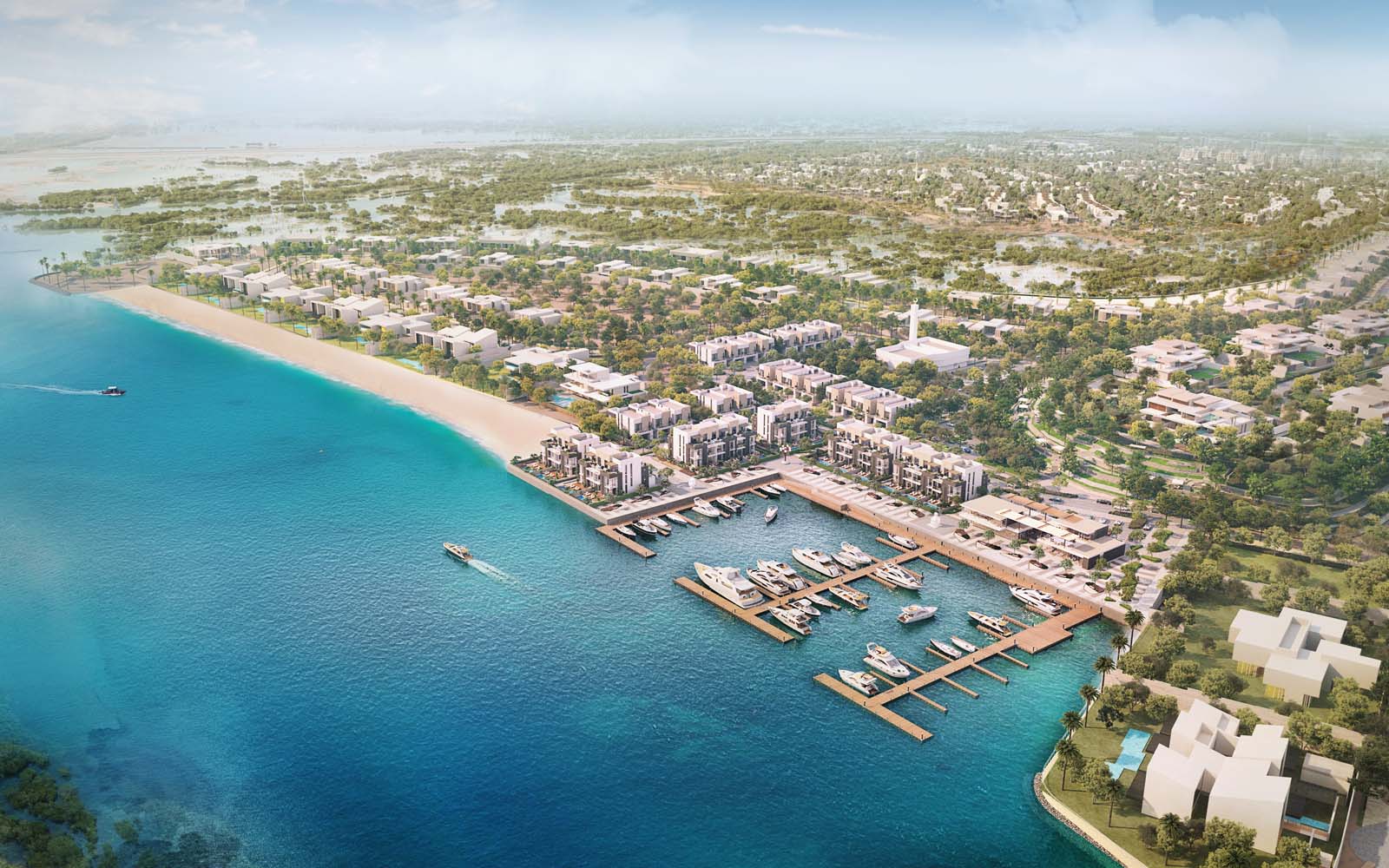
Al Reem Island Shows Why Property Type Matters
Perhaps the most interesting data comes from Al Reem Island.
Apartment prices increased by approximately 18% year-on-year, yet villa values declined by around 22%.
What this means for investors: buying in a high-performing community is not enough. Property type can materially change the outcome.
Al Reem has traditionally been associated with apartment living, proximity to central Abu Dhabi and demand from professionals and expatriates. Apartments therefore benefit from a much deeper pool of potential buyers and tenants.
Villa demand operates differently. A family seeking a villa has alternative communities specifically designed around low-density housing, gardens and larger plots.
A 40 percentage-point gap between apartment and villa performance within the broader Al Reem market demonstrates why investors should avoid making decisions based purely on a neighbourhood’s reputation.
The relevant analysis is always:
Location + property type + acquisition price + tenant profile.
Saadiyat Island Remains Abu Dhabi's Premium Benchmark
Saadiyat Island continues to demonstrate the strength of Abu Dhabi’s luxury residential segment.
Average apartment prices on Saadiyat increased by approximately 21% year-on-year, making it one of the strongest-performing apartment markets covered by the data.
At the same time, Saadiyat remained Abu Dhabi’s most expensive apartment location at approximately AED 43,100 per square metre.
For villas, the island also remained the emirate’s most expensive location, with average transaction values of approximately AED 26,500 per square metre.
What this means for investors: Saadiyat’s investment case is increasingly about premium positioning and scarcity rather than affordability.
A 21% increase despite already high prices indicates that affluent buyers continue to compete for quality residential stock. However, high acquisition prices mean investors should carefully assess whether they are buying primarily for rental yield or long-term capital appreciation.
Investors considering this segment can compare Valorisimo’s Saadiyat Island properties for sale and our analysis of capital appreciation and investment risks on Saadiyat Island.
Abu Dhabi Still Offers a Price Advantage Over Dubai
Another important figure for international investors concerns relative affordability.
According to the market data, Abu Dhabi residential prices remain approximately 10% lower on average than Dubai.
What this means for investors: Abu Dhabi is experiencing substantial appreciation without yet reaching Dubai’s average pricing level.
For buyers comparing the UAE’s two major property markets, that price differential can create an interesting proposition. Abu Dhabi offers exposure to a growing international residential market while potentially requiring less capital for comparable segments.
Price alone, however, should not determine the decision. Dubai generally offers greater market depth and transaction liquidity, while Abu Dhabi’s proposition can be more attractive to investors seeking selected waterfront communities, lower entry prices and a longer-term residential strategy.
Our Abu Dhabi vs Dubai property investment comparison examines these differences in greater detail.
Nearly 37,000 New Homes Are Under Construction
Strong historical price growth needs to be assessed against future supply.
Approximately 36,900 residential units are currently under construction for delivery between 2026 and 2030. Of this pipeline, around 66% are apartments, 33% villas and 1% serviced apartments.
What this means for investors: new supply will increase competition, particularly in the apartment market. But the headline number does not tell the full story.
Around 70% of the apartment pipeline is expected to complete during 2026 and 2027, meaning investors should pay particular attention to near-term handovers and competing inventory when estimating future rent and resale potential.
The supply is also concentrated rather than evenly distributed across Abu Dhabi.
Among the largest pipelines:
- Yas Island: approximately 7,700 units
- Fahid Island: approximately 3,550 units
- Saadiyat Island: approximately 3,250 units
What this means for investors: Yas Island may have excellent long-term fundamentals, but 7,700 incoming units mean project selection matters. Investors should examine delivery dates, competing developments, unit layouts and achievable rents instead of assuming every Yas property will appreciate at the same rate.
For buyers targeting income rather than appreciation alone, Valorisimo’s Abu Dhabi off-plan projects selected for rental yield provides another way to approach project selection.
Does New Supply Put Abu Dhabi Property Prices at Risk?
Almost 37,000 homes sounds substantial, but supply risk should be evaluated geographically.
The pipeline remains concentrated in a relatively small number of masterplanned communities. This means completed properties in desirable locations can remain scarce even while overall supply increases.
What this means for investors: future performance is likely to become more selective.
During periods of rapid market appreciation, weaker and stronger properties can rise together. As supply increases, differences in location, developer quality, waterfront access, views, floor plans and community maturity become more visible.
This could create a healthier market, but it also increases the importance of due diligence.
What Should Investors Take From the 2026 Price Data?
The most important lesson from Abu Dhabi’s 2026 property market is not that prices are rising.
It is that performance is diverging.
Al Jubail villas gained approximately 40%. Saadiyat apartments rose around 21%. Yas and Al Reem apartments appreciated approximately 18%. Meanwhile, Al Reem villas declined around 22%.
That dispersion shows why buying “Abu Dhabi real estate” is not an investment strategy by itself.
For long-term investors, the focus should increasingly shift toward the fundamentals of each individual asset: supply scarcity, tenant demand, community maturity, entry price and competing developments.
At Valorisimo, we analyse opportunities according to these variables rather than relying solely on emirate-wide price growth. The objective is to identify properties where the relationship between acquisition price, rental income and future appreciation remains attractive after the headline market growth has already occurred.
Frequently Asked Questions About Abu Dhabi Property Prices
How much have Abu Dhabi property prices increased in 2026?
Performance varies significantly by location and property type. In the year to June 2026, apartment prices increased approximately 18% on Yas Island and Al Reem Island, while Saadiyat Island apartments gained around 21%. Al Jubail Island villas recorded growth of approximately 40%.
Which Abu Dhabi area recorded the strongest villa price growth?
Al Jubail Island recorded approximately 40% year-on-year villa price growth, making it the strongest villa performer highlighted in the market data.
Which Abu Dhabi property prices fell?
Villa values on Al Reem Island declined by approximately 22% year-on-year, even though apartment prices in the broader Al Reem market increased by around 18%. This highlights the importance of analysing property type rather than looking only at location.
How much do apartments cost on Saadiyat Island?
Saadiyat remained Abu Dhabi’s most expensive apartment market at approximately AED 43,100 per square metre. Average apartment prices increased around 21% year-on-year to June 2026.
How expensive are Saadiyat Island villas?
Average villa transaction values on Saadiyat Island were approximately AED 26,500 per square metre, making it Abu Dhabi’s most expensive villa location in the data.
Are Abu Dhabi property prices cheaper than Dubai?
On average, Abu Dhabi residential property prices remain approximately 10% below Dubai according to the market data cited in the report. The exact difference varies considerably by community and property type.
How many new homes are being built in Abu Dhabi?
Approximately 36,900 residential units are under construction for expected delivery between 2026 and 2030. Around 66% are apartments, 33% villas and 1% serviced apartments.
Which Abu Dhabi areas have the largest supply pipelines?
Yas Island has the largest highlighted pipeline at approximately 7,700 homes, followed by Fahid Island with around 3,550 and Saadiyat Island with approximately 3,250 units.
Is Abu Dhabi property still a good investment after recent price increases?
The market continues to show strong demand, but the large differences between locations and property types mean selection is becoming more important. Investors should compare current acquisition prices, rental yields, incoming supply and comparable transactions rather than assuming recent double-digit appreciation will automatically continue.
Should I invest in Yas Island, Saadiyat Island or Al Reem Island?
The answer depends on the investment objective. Saadiyat generally offers a premium, capital-appreciation-oriented proposition; Yas combines lifestyle demand with a substantial future development pipeline; and Al Reem can provide access to a broader urban apartment market. Investors can compare opportunities using Valorisimo’s Abu Dhabi property investment guide.