
Abu Dhabi Real Estate: The Full 2025-2026 Investment Data Breakdown
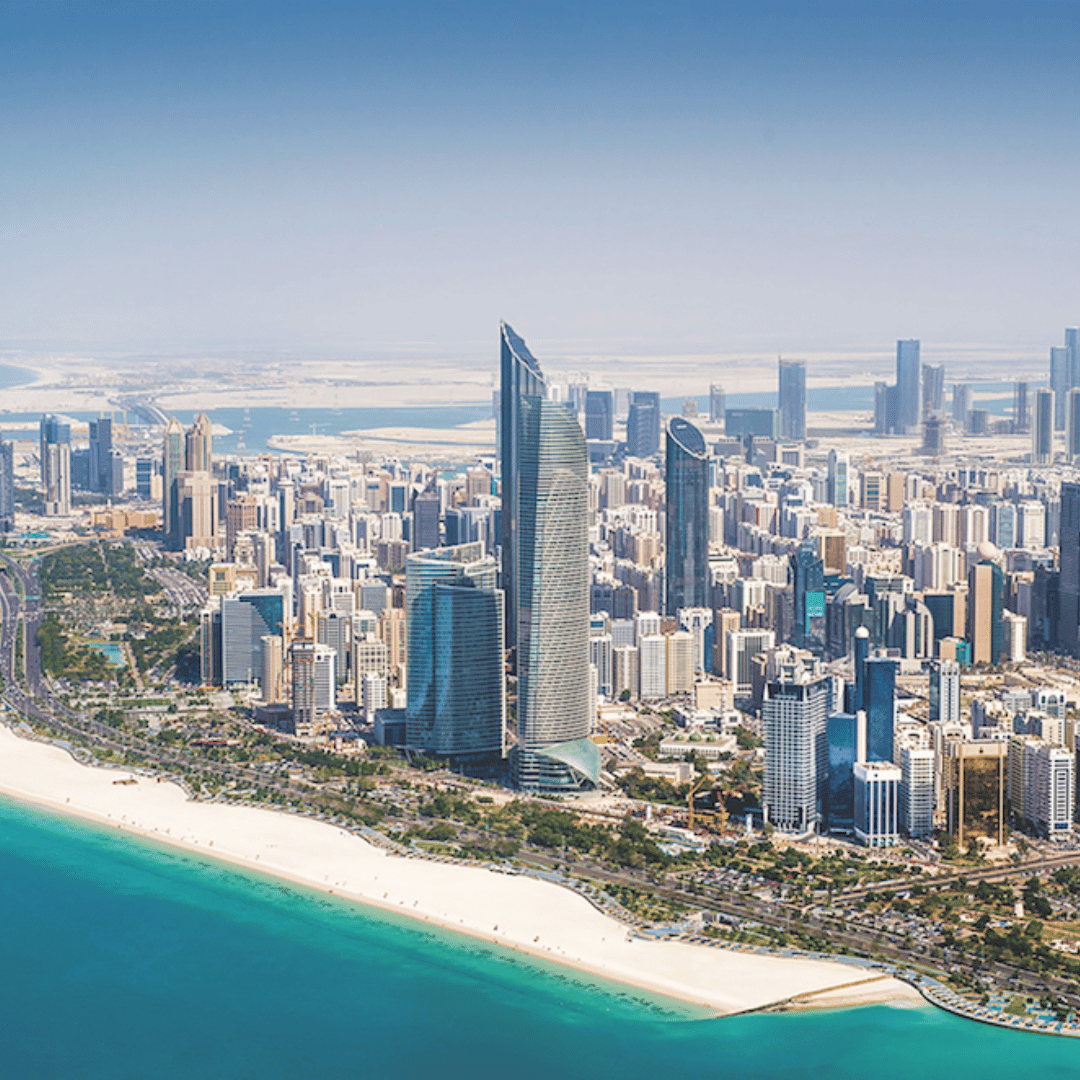
BlackBrick, a UAE real estate advisory firm, says Abu Dhabi has reached an “inflection point” as a long-term residential investment market. That’s not a marketing line — it’s backed by transaction data, foreign investment figures, and regulatory expansion that all point the same direction. Below is the full breakdown: what happened in 2025, what’s happened so far in 2026, why it’s happening, and what each number actually means if you’re deciding whether to invest.
Full-Year 2025: The Base Numbers
Abu Dhabi’s Real Estate Centre (ADREC) recorded $38.7 billion (AED 142 billion) in total property transactions during 2025. That’s not one figure — it’s a combination of several categories, and each one tells a different part of the story.
Total transaction value and volume: Total value rose 44% year-on-year, while transaction volume — the actual number of deals done — rose 52%. When volume grows faster than value, it usually means more individual buyers are entering the market, not just a few large deals inflating the total. That’s a healthier signal than a market driven by a handful of mega-transactions.
Sales and purchases: Within that total, straightforward sales and purchases accounted for $27.1 billion (AED 99.4 billion) across 25,604 transactions. This is the core owner-to-owner and developer-to-buyer market — the number that best reflects actual demand for homes, not financing activity.
Mortgage activity: $11.6 billion (AED 42.7 billion) in mortgage transactions across 17,210 deals. This matters because mortgage-backed buyers behave differently than cash buyers — they’re typically planning to hold the property longer, since they’re committed to a repayment structure rather than looking for a quick resale. A large mortgage market alongside strong cash sales suggests both investor types are active, not just one.
What this means for you: A market growing in both value and volume, with strong participation from both cash and mortgage buyers, is broader and more resilient than one propped up by a small number of large-ticket sales. This is what a maturing market looks like structurally, not just in headline growth numbers.
Foreign Investment: The Number That Matters Most
If you’re reading this from outside the UAE, this is the section that matters most to you.
Foreign direct investment (FDI) in Abu Dhabi property reached $2.2 billion (AED 8.2 billion) in 2025, up 13% year-on-year. Buyers came from more than 100 nationalities — meaning this isn’t a market being driven by one or two source countries. That diversification matters: if demand from any single nationality group slows down (due to currency shifts, local regulation, or economic conditions in their home country), the broader market isn’t overly exposed to that single risk.
Foreign investment specifically inside designated investment zones reached $14.7 billion (AED 54.1 billion), up 65% annually. Investment zones are the areas where non-UAE nationals can hold full freehold title — actual ownership, not a long-term lease. The fact that foreign investment inside these zones is growing faster (65%) than the broader FDI figure (13%) tells you something specific: foreign buyers are increasingly choosing to buy where they can own outright, rather than settling for leasehold arrangements elsewhere in the emirate.
What this means for you: If you’re a foreign investor, you’re not an edge case in this market — you’re one of over 100 nationality groups actively buying, and you’re being funneled toward the zones built specifically to give you full ownership rights. The regulatory environment is being built around you, not around domestic buyers only.
H1 2026: The Number That Confirms It's Not a One-Year Spike
Full-year 2025 numbers are useful, but a single strong year could still be a temporary spike. The first half of 2026 is where the trend either confirms itself or falls apart. It confirmed itself.
Total transactions in H1 2026 hit $31.9 billion (AED 117 billion) — up 112% compared to H1 2025. In other words, Abu Dhabi did more than double the transaction volume in just six months compared to the same period a year earlier.
Sales specifically reached $23.4 billion (AED 86.1 billion) across 16,838 deals.
Foreign direct investment climbed to $3.8 billion (AED 13.8 billion) — up 309% year-on-year.
That last number is the one worth sitting with. A 309% increase in foreign direct investment in six months is not normal market growth — it’s the kind of number you see when a market crosses a threshold and international capital reacts to it. This isn’t gradual, incremental interest. It’s a step-change in how foreign investors are treating Abu Dhabi.
What this means for you: If you were waiting to see whether 2025’s growth was a fluke, H1 2026 answers that. The market isn’t slowing down or leveling off — foreign investment is accelerating faster than the broader transaction market itself. That’s typically a sign a market is still in the early-to-middle part of its growth curve, not near a plateau.
Why It's Happening: The Regulatory and Institutional Backdrop
Numbers alone don’t explain why this is happening. The underlying infrastructure does.
ADREC approved 8 new investment zones during H1 2026 alone, bringing the total number of investment zones in Abu Dhabi to 50. Regulators aren’t slowing down freehold access — they’re actively expanding it. Every new zone is another area where foreign buyers can hold full ownership.
28 new property development projects were registered in H1 2026, up 16% from H1 2025. More registered projects means more regulated supply entering the pipeline in an orderly way, rather than a rush of unregulated development trying to catch up with demand.
Abu Dhabi Global Market (ADGM), the emirate’s international financial centre, expanded its workforce by 51% to 44,339 employees in 2025. Active business licences in ADGM rose 30% to 12,671. Assets under management grew 36%, now overseen by 171 asset and fund managers managing 244 funds.
What this means for you: This is the part that separates a durable market from a speculative one. Real estate demand backed by an actual growing employment base and financial sector — not just investor-to-investor buying — means rental demand is coming from people who need housing because they work there, not purely from people flipping units to each other. A 51% jump in ADGM’s workforce in a single year is a strong signal that housing demand has a real economic engine behind it.
The Five Zones Driving Residential Demand
BlackBrick specifically named five locations as the residential districts best positioned for long-term demand. Each serves a different type of buyer.
1. Hudayriyat Island
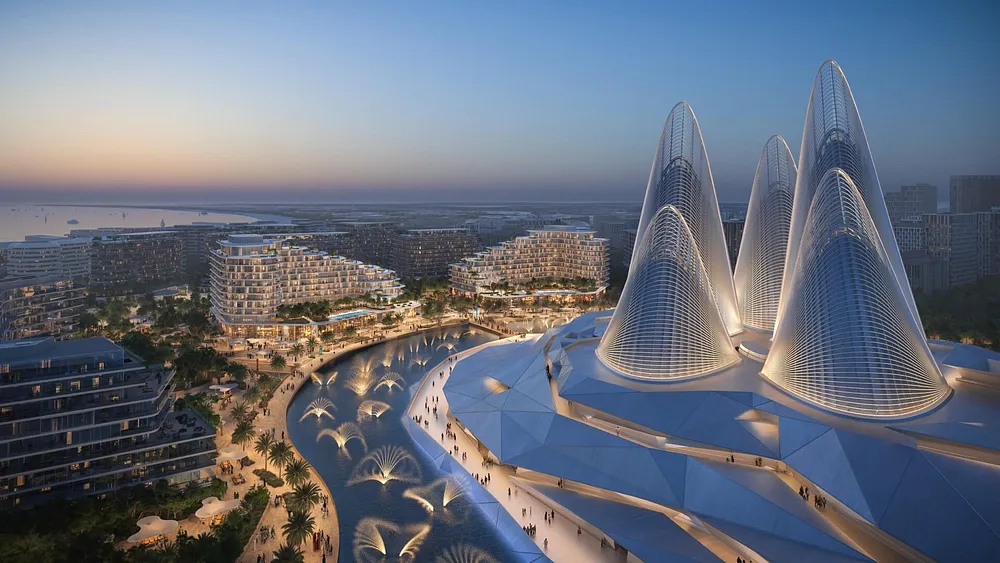
Modon’s waterfront masterplan combining residential homes with Surf Abu Dhabi, sports facilities, retail, beach clubs, parks, and future entertainment inventory. Construction is phased, and BlackBrick links early sales demand directly to the project’s delivery schedule and pricing — inventory is being released gradually rather than all at once, which supports price stability over the development’s lifespan. The sports and leisure components are designed to widen visitor traffic and support local commercial activity as residential phases complete.
2. Al Fahid Island
Developed by Aldar, positioned around lower-density housing, open spaces, pedestrian connectivity, and wellness-focused design. BlackBrick expects the environmental design and luxury housing mix to attract both end-users (people actually living there) and long-term investors. Its proximity to established Abu Dhabi districts supports easy access to workplaces, schools, and transport connections — a practical advantage over more isolated waterfront developments.
3. Saadiyat Cultural District
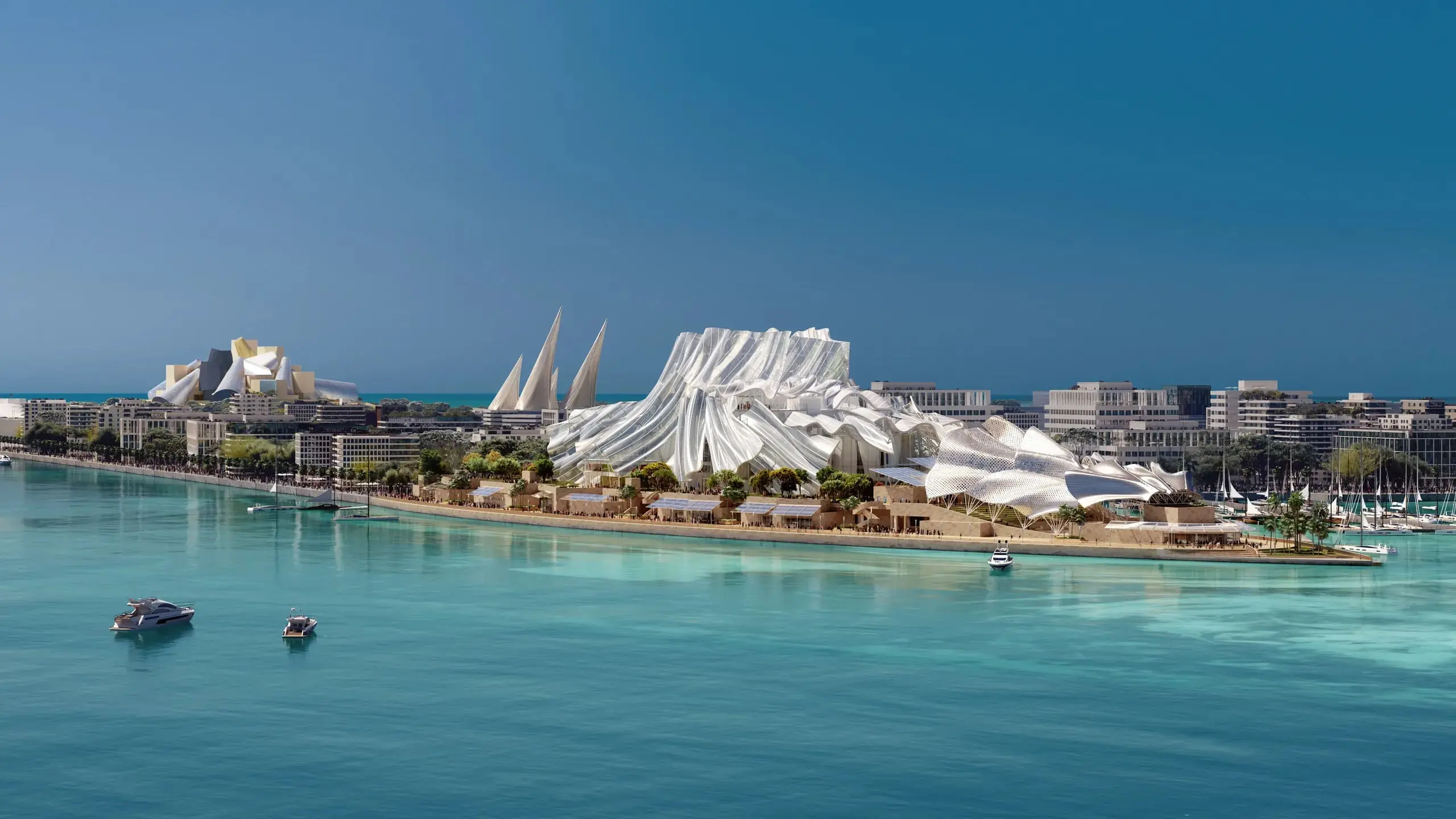
Gives residential buyers direct access to Abu Dhabi’s expanding museum and cultural inventory, anchored by the Louvre Abu Dhabi and Zayed National Museum. These cultural assets broaden the island’s visitor base and support demand from international buyers specifically seeking serviced apartments, villas, and branded residences. As of July 2026, Zayed National Museum was already operating public programmes, meaning the cultural draw isn’t a future promise — it’s active now.
4. Jubail Island
Offers lower-density housing among protected mangroves and waterways. Road access connects residents to both central Abu Dhabi and Yas Island. BlackBrick identifies family housing, outdoor space, and privacy as the core demand drivers here — this is the zone for buyers prioritizing a quieter, nature-adjacent lifestyle over urban density.
5. Yas Golf Collection
Targets investors and owner-occupiers seeking apartments beside Yas Links golf course. Yas Island already carries substantial leisure, hospitality, and entertainment capacity, and that pipeline is still growing: Miral and The Walt Disney Company announced a Disney theme park resort for Yas Island in May 2025, with project development discussions continuing into January 2026. That’s a major future demand driver for surrounding residential inventory that hasn’t even opened yet.
What this means for you:
These five zones aren’t interchangeable — match the zone to your actual investment goal. Hudayriyat and Yas Golf Collection lean toward lifestyle and hospitality-linked rental yield. Al Fahid and Jubail lean toward quieter, family-oriented, owner-occupier demand. Saadiyat leans toward premium pricing supported by cultural tourism. BlackBrick’s core point is that Abu Dhabi’s strongest districts combine housing delivery with jobs, infrastructure, and leisure capacity all in the same place — and H1 2026 transaction data shows international capital is actively allocating across that entire pipeline, not concentrating in just one zone.
The Bottom Line
BlackBrick CEO Matthew Bate summarized it directly: Abu Dhabi “feels like it’s reached an inflection point.” The data supports that read on every level — transaction volume up 52% for the year, foreign investment more than tripling in just six months, 50 investment zones now open to foreign freehold ownership, and a financial centre workforce that grew by more than half in a single year.
None of this reads as a short-term spike. It reads as a market where regulation, infrastructure, and institutional capital are moving in the same direction at the same time — which is precisely the combination long-term investors look for before a market gets fully priced in.
FAQ — Frequently Asked Questions
1. Can foreigners own property outright in Abu Dhabi?
Yes. Non-UAE nationals can hold full freehold title — not just a long-term lease — in Abu Dhabi’s designated investment zones. There are now 50 such zones after ADREC approved 8 new ones in H1 2026.
2. Is Abu Dhabi property demand still growing in 2026, or did it peak in 2025?
It’s still accelerating. Foreign direct investment grew 13% in 2025, then jumped 309% in H1 2026 alone — a much faster pace than the year before, not a slowdown.
3. Which Abu Dhabi zone is best for rental yield vs. long-term appreciation?
Hudayriyat Island and Yas Golf Collection lean toward hospitality-linked rental yield. Saadiyat Cultural District leans toward premium, tourism-backed long-term appreciation. Al Fahid and Jubail Island suit buyers prioritizing quieter, family-oriented owner-occupier demand.
4. What's driving Abu Dhabi's real estate growth besides foreign buyers?
A growing local economic base. Abu Dhabi Global Market’s workforce grew 51% in 2025, with a 36% rise in assets under management — meaning rental demand is increasingly backed by people who live and work there, not only by investor-to-investor activity.
5. Is now a good time to invest, or should I wait for prices to stabilize further?
The data suggests Abu Dhabi is still mid-growth, not at a plateau. Prices rose alongside faster foreign capital inflows and expanding regulatory zones — waiting typically means buying into a more mature, and likely more expensive, market rather than a cheaper one.