
Buying Property in Dubai with Cryptocurrency in 2026: Rules, Steps and Costs
- Published 25 Apr 2026
- Updated 10 November 2026
- 11 min read
- Data verified on 10 Nov 2026
In short
Yes, you can buy property in Dubai with cryptocurrency in 2026, but the property is never paid for in crypto on paper. Under VARA and UAE Central Bank rules, the coins are converted into dirhams through licensed intermediaries before registration, and the title deed is recorded in AED (Khaleej Times, December 2025). The buyer still pays the 4% DLD transfer fee and the usual registration costs. Only some developers accept crypto, for selected projects, and the DLD’s tokenised property platform accepts dirhams only.
Khaleej Times, 13 December 2025 · VARA, read 10 November 2026 · Property Finder, 3 July 2026 · The National, 29 May 2025 and 9 February 2026
AEDregistration currency
Crypto is converted to dirhams before the DLD records the deed
Source: Khaleej Times, 13 Dec 2025
4%DLD transfer fee
Unchanged whether you pay by crypto, bank transfer or mortgage
Source: Property Finder, 3 Jul 2026
7.8 millionproperty tokens
Tradeable on the DLD-regulated secondary market from 20 Feb 2026
Source: The National, 9 Feb 2026
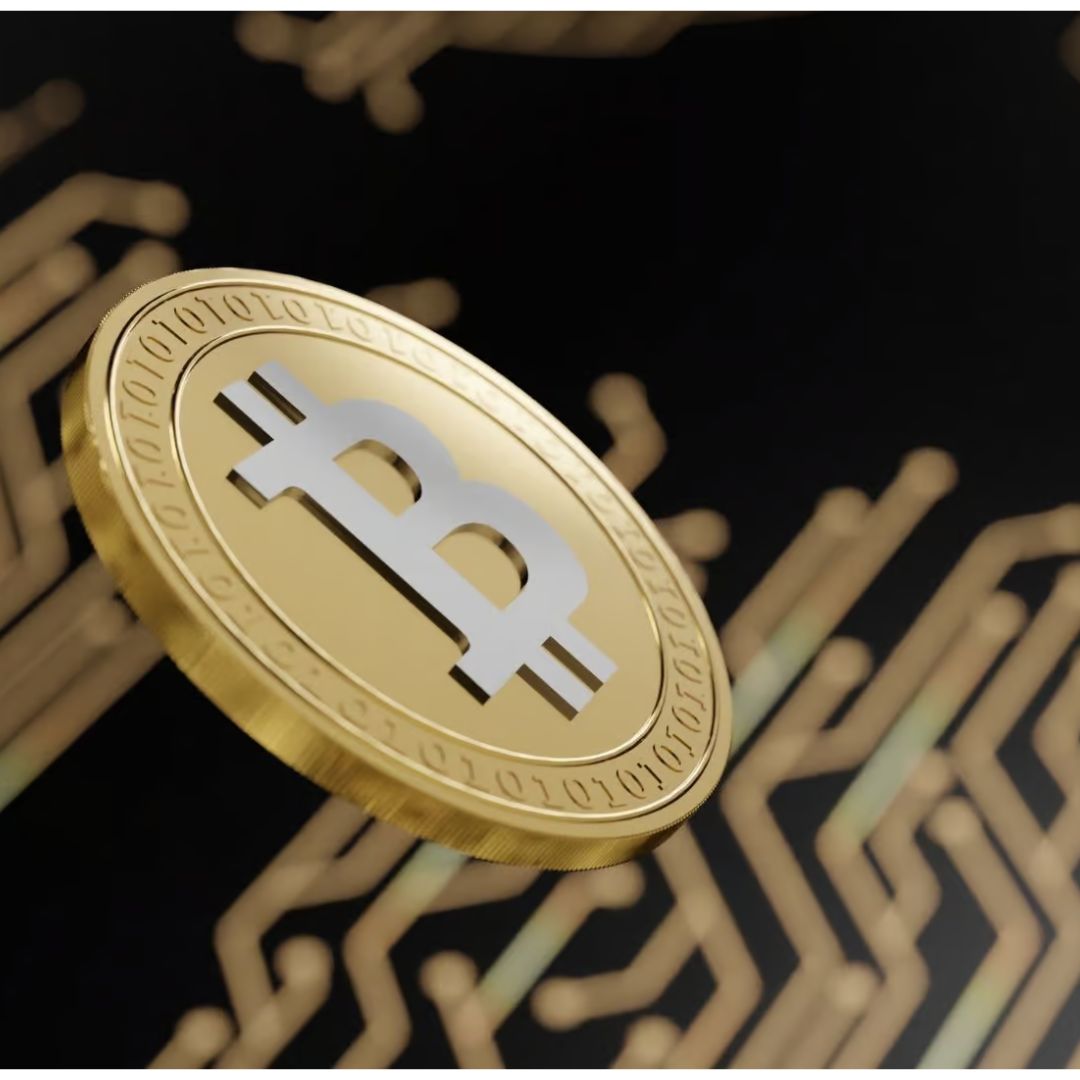
In Dubai, crypto can fund a purchase, but the deal is priced, converted and registered in dirhams.Photo: © VALORISIMO
In this article · 9 sections
Can you legally buy property in Dubai with cryptocurrency in 2026?
Yes, but think of crypto as the source of the money, not the currency of the deal.
Dubai allows crypto-funded property purchases, and the government has actively courted them. What it does not allow is a property title recorded against a payment in bitcoin. As Khaleej Times summarised on 13 December 2025, VARA and UAE Central Bank rules require crypto payments to be converted into dirhams through licensed intermediaries before the property is registered, title deeds are recorded in UAE dirhams, and buyers go through KYC and anti-money-laundering checks.
In practice that gives you the same legal position as any other buyer. Once the sale is registered with the Dubai Land Department, your ownership rights, your obligations on service charges and your options on resale are identical to those of a buyer who paid by bank transfer. The sale and purchase agreement and the DLD registration define your rights; the payment route does not.
What has changed since 2025
Three developments matter. The DLD announced an agreement with Crypto.com on 6 July 2025 to develop procedures for digital real estate transactions, covering investor verification, custody, settlement and tokenisation, with the stated aim of enabling investors to buy and sell property using digital currencies (The National). The DLD’s tokenisation pilot, launched in March 2025, moved to a regulated secondary market in February 2026. And more developers now advertise crypto acceptance on selected projects, always through regulated conversion.
| Date | Rule or initiative | What it means for buyers |
|---|---|---|
| March 2022 | VARA established under Dubai Law No. 4 of 2022 | One regulator for virtual-asset firms in Dubai, mainland and free zones, excluding DIFC |
| 2023 | Virtual Assets and Related Activities Regulations 2023 | The rulebook that VARA-licensed exchanges, brokers and custodians must follow |
| March 2025 | DLD real estate tokenisation pilot launched with VARA | Title deeds can be split into blockchain tokens in a regulated sandbox |
| 25 May 2025 | Prypco Mint opens; first tokenised flat sells out within a day | Fractional stakes from AED 2,000, paid in dirhams only |
| 6 July 2025 | DLD agreement with Crypto.com announced | Joint work on verification, custody, settlement and tokenisation for property deals in digital currencies |
| 13 December 2025 | Practice confirmed by Khaleej Times | Crypto must be converted into dirhams through licensed intermediaries before registration; deeds are recorded in AED |
| 20 February 2026 | Tokenisation phase two: regulated secondary market | About 7.8 million property tokens become tradeable |
Sources: VARA website (about VARA, read 10 November 2026); The National, 29 May 2025, 6 July 2025 and 9 February 2026; Khaleej Times, 13 December 2025.
How does a crypto property purchase in Dubai work, step by step?
The process is a normal Dubai purchase with one extra stage: converting the crypto into dirhams through a licensed firm, with a clean audit trail.
- Choose the unit and agree the price in AED. Off-plan or ready, the price in the reservation form and the sale and purchase agreement is a dirham amount.
- Confirm how the seller accepts crypto. Ask the developer or agent, in writing, which licensed provider handles the conversion and which tokens and networks it accepts.
- Check the provider on the VARA public register. VARA publishes the list of licensed virtual asset service providers in Dubai; do not send funds to a firm that is not on it.
- Pass KYC and source-of-funds checks. Expect to show your passport, address and the history of the wallet or exchange account the coins come from.
- Lock the rate and convert. The provider quotes a crypto amount for the AED price for a short period; the buyer normally bears price moves and network fees until settlement.
- Settle in dirhams and register. The AED proceeds go to the developer's escrow account (off-plan) or to the seller through the trustee office (ready), and the sale is registered with the DLD: Oqood for off-plan, title deed for ready units.
- Keep the records. Conversion receipts, wallet addresses, transaction hashes and the AED receipts are your evidence for banks, tax authorities at home and any resale.
For the registration step itself, our guide on how to read a DLD Oqood certificate explains what the off-plan record shows. The wider purchase process, from reservation to handover, is in our guide to buying property in Dubai.
Who regulates crypto payments for Dubai property?
Three bodies share the job: VARA for the crypto firms, the Central Bank for money and payments, and the DLD for the property itself.
VARA: the crypto side
The Virtual Assets Regulatory Authority was set up in March 2022 under Dubai Law No. 4 of 2022. It describes itself as the competent entity for regulating, supervising and overseeing virtual assets in Dubai, including special development zones and free zones but excluding DIFC, where the financial-centre regulator applies. Its framework is the Virtual Assets and Related Activities Regulations 2023, and it keeps a public register of licensed providers. In October 2026 it was still issuing circulars to licensed firms, for example on public disclosures (VARA website, read 10 November 2026).
The Central Bank and AML rules: the money side
Conversion into dirhams brings the payment into the regulated banking system. Khaleej Times reports that VARA and Central Bank rules require that conversion to happen through licensed intermediaries before registration. Developers, brokers and banks apply KYC and anti-money-laundering checks, and coins with a murky history, such as funds that passed through mixers, can be refused.
The DLD: the property side
The Dubai Land Department registers the sale, holds off-plan payments in escrow through the developer’s project account and records the deed in AED. Paying with crypto does not create a separate class of ownership: rules on freehold areas, Oqood registration and title deeds are the same for every buyer.
Which Dubai developers accept cryptocurrency in 2026?
A minority of large developers accept crypto, usually for selected projects and almost always through a licensed conversion partner.
Khaleej Times listed Damac, Nakheel, Ellington, Omniyat and Arada in December 2025 as developers accepting crypto for select projects, and quoted a broker saying that “only a handful of major developers are open to crypto transactions at the moment”. Earlier, in April 2025, Eric Trump said the $1 billion Trump International Hotel and Tower project in Dubai would accept cryptocurrency for unit purchases (The National, July 2025).
Acceptance is project-specific and changes with launches, so treat any list as a starting point, not a guarantee. Ask the developer to confirm in writing which tokens it accepts, through which provider, at what rate-lock period and who pays network fees. On resale, private sellers rarely take crypto directly; the usual route is to convert through your own licensed exchange account and pay in dirhams.
Which coins are used
Stablecoins pegged to the US dollar are the practical choice because the dirham is also pegged to the dollar, which limits price movement between the quote and settlement. Bitcoin and ether are widely accepted by conversion providers, but a fall in price during the rate-lock window is your risk. Ask the provider for the list it supports and the networks it accepts before you transfer anything.
What does it cost to buy a Dubai property with crypto?
All the normal purchase costs apply in full; crypto adds conversion costs on top.
Paying with crypto does not reduce or replace any government fee. On a ready unit, the Dubai Land Department transfer fee of 4% and the registration charges are due exactly as for a cash buyer. Property Finder estimated in July 2026 that total transaction costs run at 7% to 10% of the price once agency and other fees are included, and that upfront costs cannot be financed by banks.
| Cost item | Amount | Who usually pays |
|---|---|---|
| DLD transfer fee | 4% of the declared price | Buyer (legally split 2% / 2%, usually paid in full by the buyer) |
| Title deed issuance | AED 580 for most ready units | Buyer |
| Trustee office fee | AED 2,000 under AED 500,000; AED 4,000 above, plus 5% VAT | Buyer |
| Mortgage registration (if financed) | 0.25% of the loan plus about AED 290 | Buyer |
| Bank valuation (if financed) | AED 2,500 to 3,500 | Buyer |
| Agency commission | Typically 2% plus 5% VAT | Buyer, sometimes negotiated |
| Developer NOC (resale) | AED 500 to 5,000 plus VAT | Varies |
| Crypto conversion spread, service and network fees | Set by the licensed provider: ask for a written quote | Buyer |
Source: Property Finder, “DLD fees”, 3 July 2026, for government, bank and agency fees. Conversion costs are not regulated amounts and vary by provider.
Conversion costs to negotiate
Conversion providers earn a spread between the market rate and the rate they give you, plus a service fee and network charges. These are not fixed by any authority, so request a full written breakdown before you agree, compare at least two licensed providers and check whether the fee falls with ticket size. Our guide to the hidden costs of buying property in Dubai covers the rest of the budget, from service charges to mortgage fees.
Is DLD property tokenisation a way to invest with crypto?
Not directly: tokenised Dubai property is recorded on a blockchain, but in the DLD programme it is bought with dirhams.
The DLD’s Real Estate Tokenisation project, developed with VARA, the UAE Central Bank and the Dubai Future Foundation through the Real Estate Sandbox, splits ready properties into digital tokens on the Prypco Mint platform. The first offering opened on 25 May 2025 with tickets from AED 2,000 and was limited to Emirates ID holders; The National reported that payments were in UAE dirhams only and no cryptocurrencies were used in the pilot phase.
| Offering | Date | Size | Investors | Payment |
|---|---|---|---|---|
| First Prypco Mint property (Business Bay two-bedroom) | Launched 25 May 2025, sold out within a day | Tickets from AED 2,000; average AED 10,714 per investor | 224 from 44 nationalities | Dirhams only |
| Second Prypco Mint property | 11 June 2025, funded in 1 minute 58 seconds | n/a | 149 from 35 nationalities; waiting list above 10,700 | Dirhams only |
| Phase two: secondary market | From 20 February 2026 | About 7.8 million tokens tradeable | n/a | Regulated resale market |
Sources: The National, 29 May 2025 and 9 February 2026; Dubai Land Department news release, 11 June 2025.
Demand was strong: about 70% of the first 224 investors were new to Dubai property. The DLD forecasts the tokenisation market at AED 60 billion by 2033, about 7% of the emirate’s property transactions. For crypto holders, the takeaway is that blockchain technology and crypto payments are separate questions: you can own a tokenised stake without using crypto, and you can fund a whole apartment with crypto without owning a token. If a smaller ticket appeals, see our guide to the minimum investment for property in Dubai.
What are the risks of buying Dubai property with crypto, and does it affect your visa?
The main risks are market moves before conversion, irreversible transfers and paperwork that cannot prove where the money came from.
- Volatility. Khaleej Times notes that price swings can cause losses before conversion into dirhams. The price stays fixed in AED, so a fall in your coin means you need more of it.
- Irreversible transfers and fraud. A payment sent to the wrong address or network cannot be recalled, and experts quoted by Khaleej Times warn that this makes crypto attractive to fraudsters. Verify the address with the provider by a second channel and send a small test first.
- Unlicensed intermediaries. Use only firms on the VARA public register and check that the AED proceeds land in the developer's escrow or the trustee office account.
- Source of funds. Banks may later ask how you funded the purchase, for example when you repatriate rent or sale proceeds. Keep every conversion record.
- Recognition abroad. Khaleej Times also flags that some other countries may not recognise crypto-based purchases in the same way, which matters for tax filings at home.
Residency is based on the property, not the payment
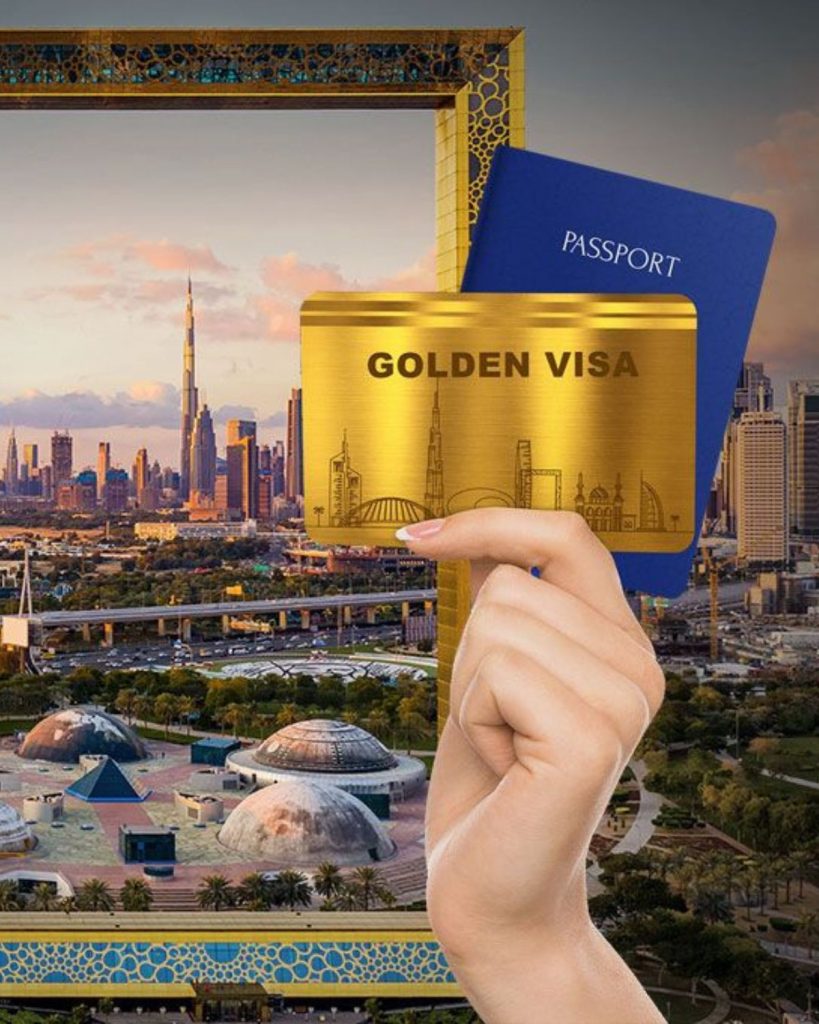
The UAE golden visa for property investors is tied to the value of the asset: the official UAE portal lists a minimum capital of AED 2 million with property ownership as a qualifying route (u.ae, updated 28 July 2026). Because the deed is recorded in dirhams, a crypto-funded purchase is assessed like any other. Details and conditions are in our golden visa Dubai guide for investors.
Watch out
Crypto rules are still evolving: dates and practices in this guide are correct as of November 2026 but can change with new VARA or Central Bank rules. Never send coins to a wallet address received by message or email without confirming it with the licensed provider directly, and do not sign a reservation form until you know who converts the funds and where the dirhams go.
Frequently asked questions
Can foreigners buy property in Dubai with Bitcoin?
Yes, if they pass KYC and anti-money-laundering checks. The Bitcoin is converted into dirhams through a licensed intermediary before the DLD registers the sale, and the title deed is recorded in AED. Ownership is then identical to that of any other foreign buyer in a freehold area.
Do I still pay the 4% DLD fee if I pay in crypto?
Yes. The 4% transfer fee, the AED 580 title deed fee and trustee office fees of AED 2,000 or AED 4,000 plus VAT apply in full (Property Finder, July 2026). Conversion costs from the crypto provider come on top of these.
Which cryptocurrencies are accepted for Dubai property?
It depends on the developer and its conversion partner. Dollar-pegged stablecoins are the most practical because they limit price moves before settlement, and bitcoin and ether are widely supported by providers. Always ask for the accepted tokens and networks in writing.
Can I buy a tokenised Dubai property with crypto?
Not in the DLD programme so far. When Prypco Mint launched on 25 May 2025, payments were in UAE dirhams only, with tickets from AED 2,000. A regulated secondary market for about 7.8 million tokens opened on 20 February 2026.
Does buying with crypto affect the golden visa?
No. Eligibility depends on the property and its registered AED value, not on how you funded it. The UAE portal lists a minimum capital of AED 2 million, with property ownership as one qualifying route.
Figures are indicative as of the date shown: check them with official sources before any decision.
- For information only; this is not tax, legal or financial advice.
Planning to fund a Dubai purchase with crypto?
Read next
Dubai
the full purchase process for foreign buyers, from reservation to title deed.
Dubai
every fee and charge to budget on top of the price.
Dubai
how property ownership leads to long-term UAE residency.