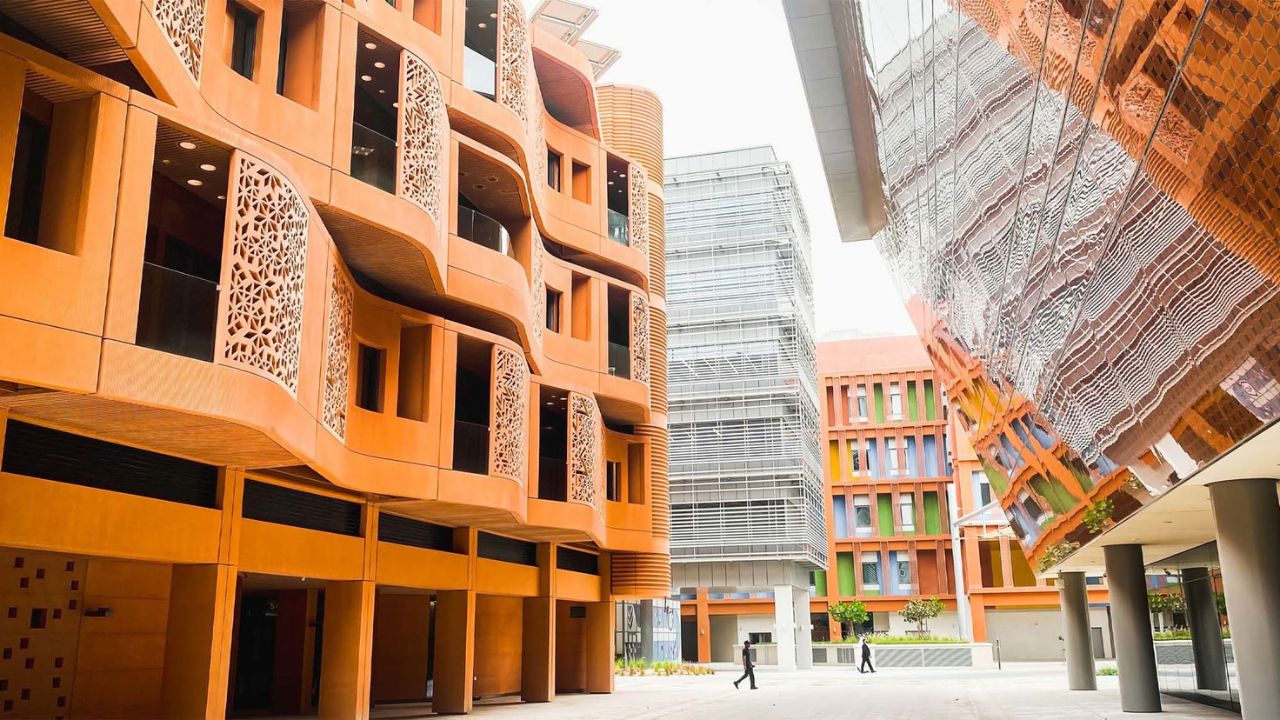
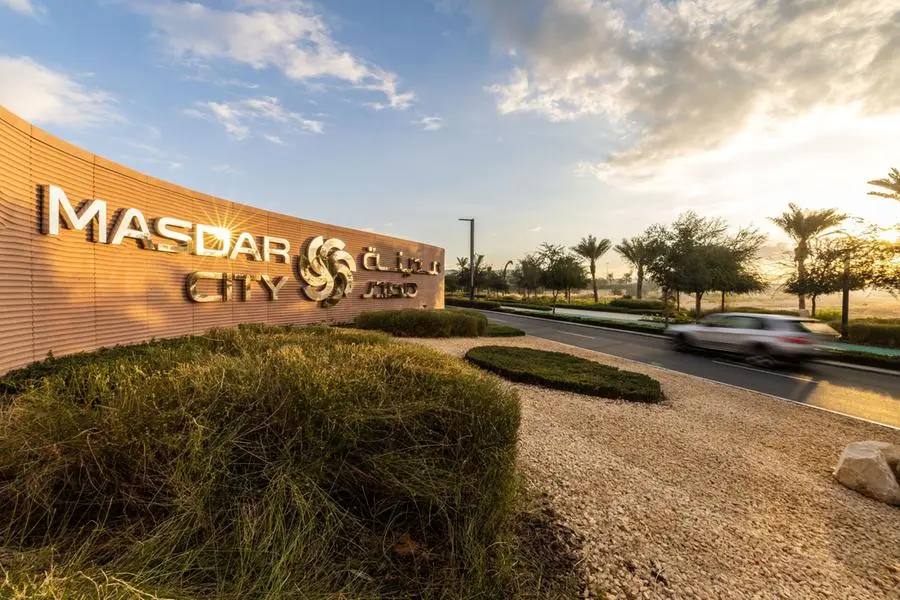
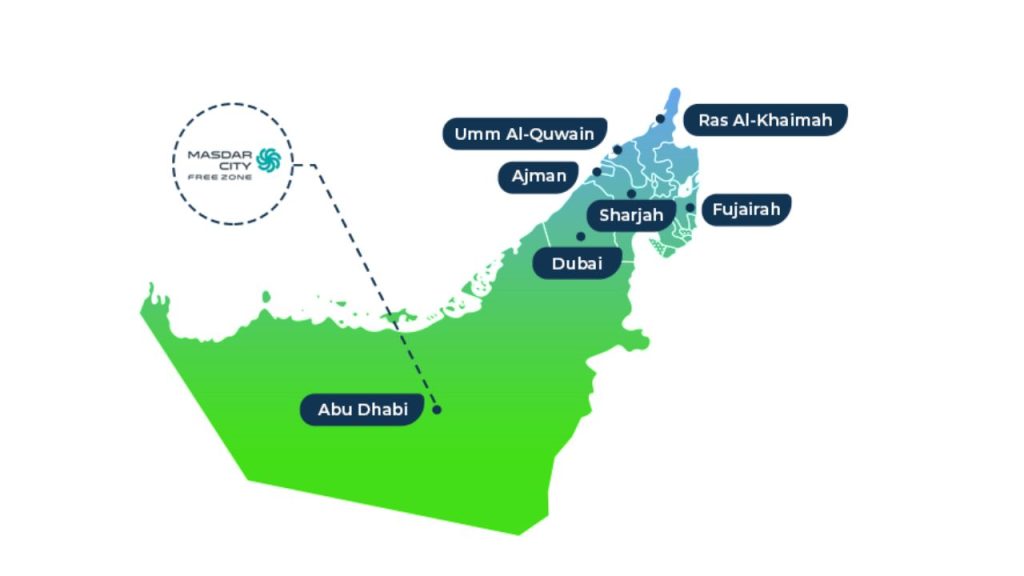
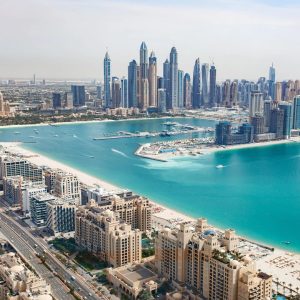
Masdar City, located in Abu Dhabi, is a pioneering eco-community designed to lead the way in sustainable urban development and smart-city innovation. Developed as a flagship initiative aligned with the UAE’s sustainability ambitions, Masdar City increasingly attracts investors seeking both ethical investments and strong long-term financial returns.
Beyond its environmental positioning, the area benefits from strategic proximity to key economic zones such as Khalifa City, Zayed International Airport, and major education institutions, making it attractive for both residents and tenants. Investors interested in sustainable real estate opportunities in Abu Dhabi can explore curated projects and market insights available on Valorisimo.
Capital appreciation refers to the increase in property value over time, allowing investors to build wealth beyond rental income alone. In emerging districts like Masdar City, appreciation potential is often driven by early-stage development dynamics, infrastructure expansion, and rising market recognition.
Masdar City has demonstrated promising appreciation trends over recent years, supported by its positioning as a green technology hub and innovation cluster. As sustainability becomes a global investment priority, assets in environmentally responsible communities are increasingly perceived as future-proof investments, further strengthening long-term value potential.
Past and Current Price Growth
Between 2020 and 2024, residential property prices in Masdar City recorded average annual growth of approximately 6% to 8%, outperforming several comparable suburban districts in Abu Dhabi. Apartments in developments such as Oasis Residences and The Gate have experienced notable resale demand due to:
Competitive entry prices compared to central Abu Dhabi
Modern architecture and smart-home features
Energy-efficient design reducing utility costs
Appeal to young professionals and international tenants
Off-plan launches introduced during 2022 and 2023 have already begun trading at premiums in the secondary market, a strong indicator of investor confidence and expectations of future appreciation. Early investors in phased developments often benefit the most as infrastructure maturity increases over time.
What Drives Capital Growth in Masdar City?
Several structural factors contribute to long-term capital appreciation potential:
1. Sustainability and ESG Investment Appeal
Global investors increasingly prioritize ESG-compliant assets. Masdar City’s carbon-reduction initiatives, renewable energy integration, and green building certifications align perfectly with institutional investment trends, boosting demand.
2. Government Vision and Policy Support
The UAE government’s economic diversification and environmental strategies, including Vision 2030 initiatives, actively promote low-carbon urban development. Continuous policy support enhances investor confidence and reduces long-term uncertainty.
3. Strategic Location and Tenant Demand
Masdar City benefits from strong tenant demand generated by:
Aviation and logistics professionals working near the airport
Employees in education and research institutions
Technology and sustainability sector workers
Young families seeking modern, eco-friendly living environments
This diversified tenant base supports both rental stability and resale demand.
4. Controlled Supply and Master Planning
Unlike oversupplied markets, Masdar City follows a controlled master-development model. Limited land availability and phased project releases help maintain price stability while supporting gradual appreciation as the community matures.
Future Outlook for Capital Appreciation (2025–2028)
Real estate analysts forecast average annual capital growth of approximately 7% to 10% over the next three to five years, assuming continued infrastructure expansion and population growth in Abu Dhabi.
Several upcoming developments are expected to enhance value:
Advanced mobility hubs and autonomous transport systems
Expanded green public spaces and pedestrian zones
Research and technology partnerships with global institutions
Growth of ESG-focused investment funds targeting sustainable assets.
As sustainability regulations tighten globally, properties in eco-cities like Masdar may gain additional premium positioning compared to conventional developments.
Key Investment Risks in Masdar City
While Masdar City presents strong appreciation potential, investors should carefully evaluate potential risks that may influence returns.
1.Liquidity and Resale Time
Due to its niche sustainability positioning, resale timelines can sometimes be longer than in mainstream Abu Dhabi districts. The buyer pool, while growing, remains more specialized, particularly for higher-priced units.
Mitigation strategy: Focus on mid-market apartments or compact units with broader demand, which typically experience faster resale cycles.
2. Dependence on Policy Continuity
A significant portion of Masdar City’s value proposition is tied to ongoing government sustainability initiatives. Policy changes, funding adjustments, or delays in infrastructure rollout could impact growth projections.
Mitigation strategy: Invest in projects developed by financially strong private developers or those with international partnerships, reducing reliance on public funding alone.
3. Competition from Other Green Communities
Sustainable living is becoming a major trend across the UAE. New eco-focused developments in Dubai and Abu Dhabi may increase competition, potentially moderating appreciation if supply expands rapidly.
Mitigation strategy: Prioritize early-phase investments within Masdar City where innovation, branding, and first-mover advantage remain strongest.
4. Rental Market Volatility
Capital appreciation does not always guarantee strong rental performance. Tenant turnover, changing demand patterns, or economic fluctuations could affect rental yields and overall returns.
Mitigation strategy: Consider furnished units, flexible leasing strategies, or short-term rental models to enhance occupancy and income stability.
Long-Term Investment Perspective
Masdar City stands out as one of the UAE’s most future-oriented real estate markets, combining sustainability, innovation, and strategic planning. Its unique positioning appeals to investors seeking diversification into environmentally responsible assets while maintaining strong growth potential.
Although the market is still evolving, its fundamentals government backing, controlled development, increasing tenant demand, and ESG alignment support a positive long-term outlook. Investors who understand the associated risks and align their strategies accordingly can potentially achieve both capital growth and stable income in the coming years.
If you want to identify high-potential projects in Masdar City or across the UAE, Valorisimo’s investment analysis toolscan help you compare opportunities and make informed decisions
Frequently Asked Questions (FAQ)
Is Masdar City a good place for long-term property investment?
Yes, Masdar City is considered a strong long-term investment destination due to its sustainability focus, government support, and growing demand from professionals and tenants. As the community continues to develop infrastructure and amenities, property values are expected to appreciate steadily over time.
What is the expected capital appreciation in Masdar City?
Real estate analysts generally project annual capital growth between 7% and 10% over the next few years, depending on project quality, location within the community, and overall market conditions. Early-phase investments often see higher appreciation potential compared to completed units.
Are there risks when investing in Masdar City properties?
Like any real estate market, there are some risks to consider. These include slower resale timelines compared to central locations, dependence on sustainability policies, and potential competition from other eco-friendly developments in the UAE. However, choosing well-located projects and mid-range units can significantly reduce these risks.